 Follow Us on Google News


 Follow Us on Google Discover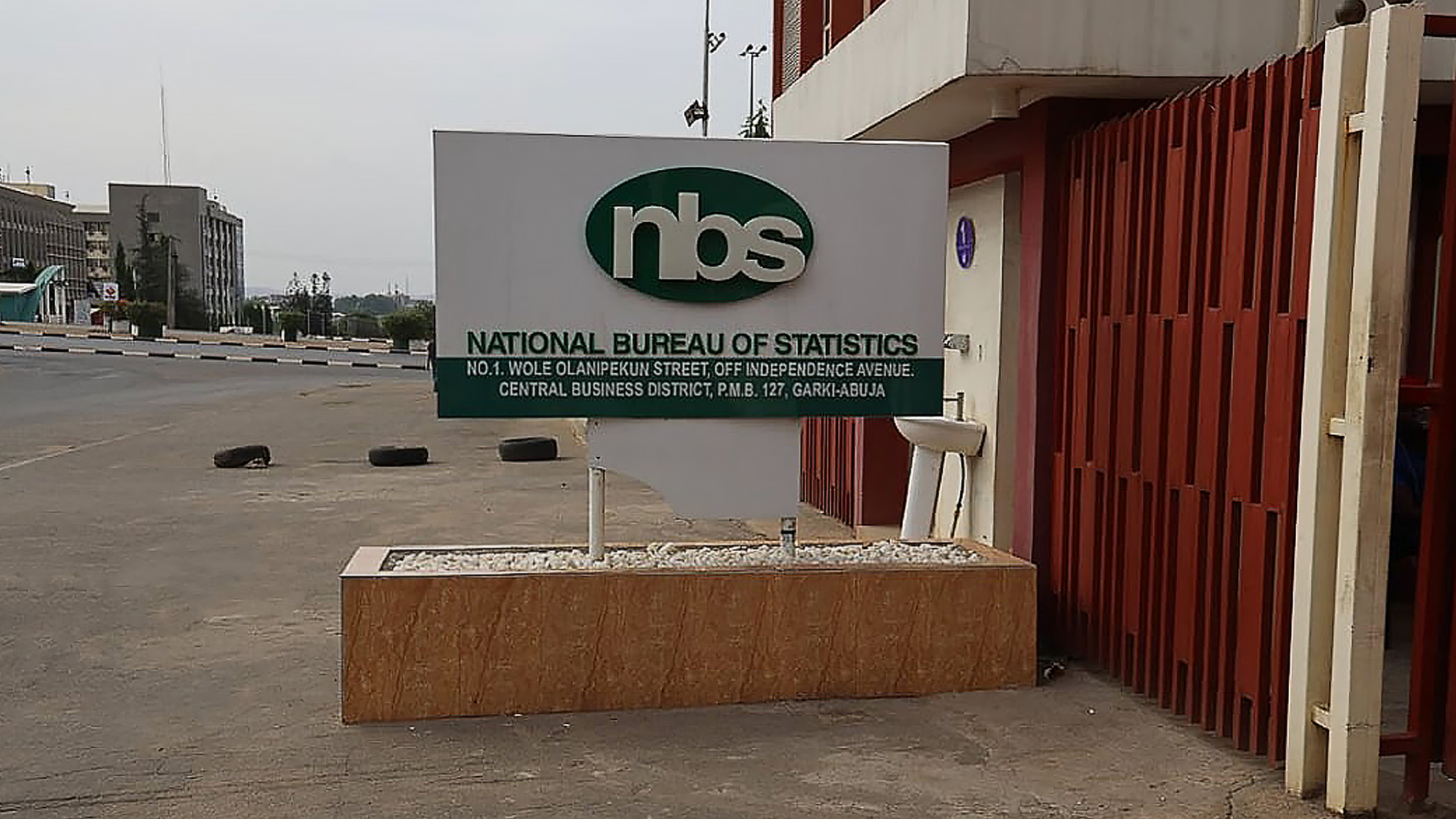
Nigeria’s headline inflation has declined from 15.91 per cent in June 2026 to 15.43 per cent in July, according to the latest consumer price index (CPI) report just released by the National Bureau of Statistics (NBS).
Although this decline in headline inflation could see the government celebrating, it amonuts to very little to the ordinary citizens as food inflation, arguably the component Nigerians feel most directly, moved in the opposite direction.
According to the report, food inflation is sustaining the cost of living pressure on households.
NBS says, food inflation for the month of July accelerated to 5.56 per cent from 3 75 per cent recorded in June 2026. On year-on-year basis, it rose from 17.52 per cent in July 2025 to 20.31 per cent in July 2026.
This year alone food inflation has witnessed a consecutive six months of spike, rising from 8.89 per cent in January to 12.12 per cent in February, to 14.31 per cent in March and up further to 16.06 per cent in April.
In May, it jumped 16.96 per cent before reaching 17.52 per cent in June and in July, it hit 20.31 per cent.
The problem of food insecurity in Nigeria has remained a paradox.
Although the food available in the market, but the prices have continued to rise, raising the question of what exactly could be driving rising prices.
Stakeholders believe one of the major drivers of food prices in the country is high cost of transportation arising from the high cost of fuel.
Pump prices of petroleum products, especially premium motor spirit,(PMS), otherwise called fuel, has been rising since the removal of fuel subsidy in May 2023.
The situation was made worse by the crisis in the Middle East which drove up the global crude oil prices.
One striking and perhaps uncomfortable finding in the report is the enormous disparity between states.
While national headline inflation stood at 15.43 per cent, Adamawa recorded 33.03 per cent, more than twice the national rate.
Adamawa’s food inflation was even more alarming: 51.36 per cent year-on-year.
Katsina recorded food inflation of 30.84 per cent and Zamfara 30.65 per cent.
At the other end of the scale, Borno recorded negative 0.31 per cent food inflation, while Nasarawa recorded 6.88 per cent.
Although the NBS itself warns that state-level comparisons should be treated carefully because consumption expenditure patterns differ across states and locations, the figures raised a fundamental policy question of whether a single national inflation narrative truly describes the economic reality of households living in states where food prices are rising steadily?
Reacting to the rising food inflation, the the Chairman of Agro Trade Group NACCIMA, Arc. Kabir Ibrahim, said Nigerians have not seen anything yet.

According to him, the situation will get worse in the coming months and more people will experience hunger.
He said when the government went into massive food importation to force down prices, it did not consider the effect it would have on local food production.
Ibrahim said, “The imported food forced the prices down, while the cost farmers incur to produce locally was rising at a level that stripped the farmers of all the profit they would have made. That discouraged many of them and they have stopped farming. Now prices are rising because the government has realized that it cannot continue to import food.”
He also said the insecurity situation in the country, although easing, has also discouraged farmers from going to their farms for fear of being killed or kidnapped.
He noted that until the insecurity situation is addressed, Nigeria still have a long way to go to achieve food security.

