 Follow Us on Google News


 Follow Us on Google Discover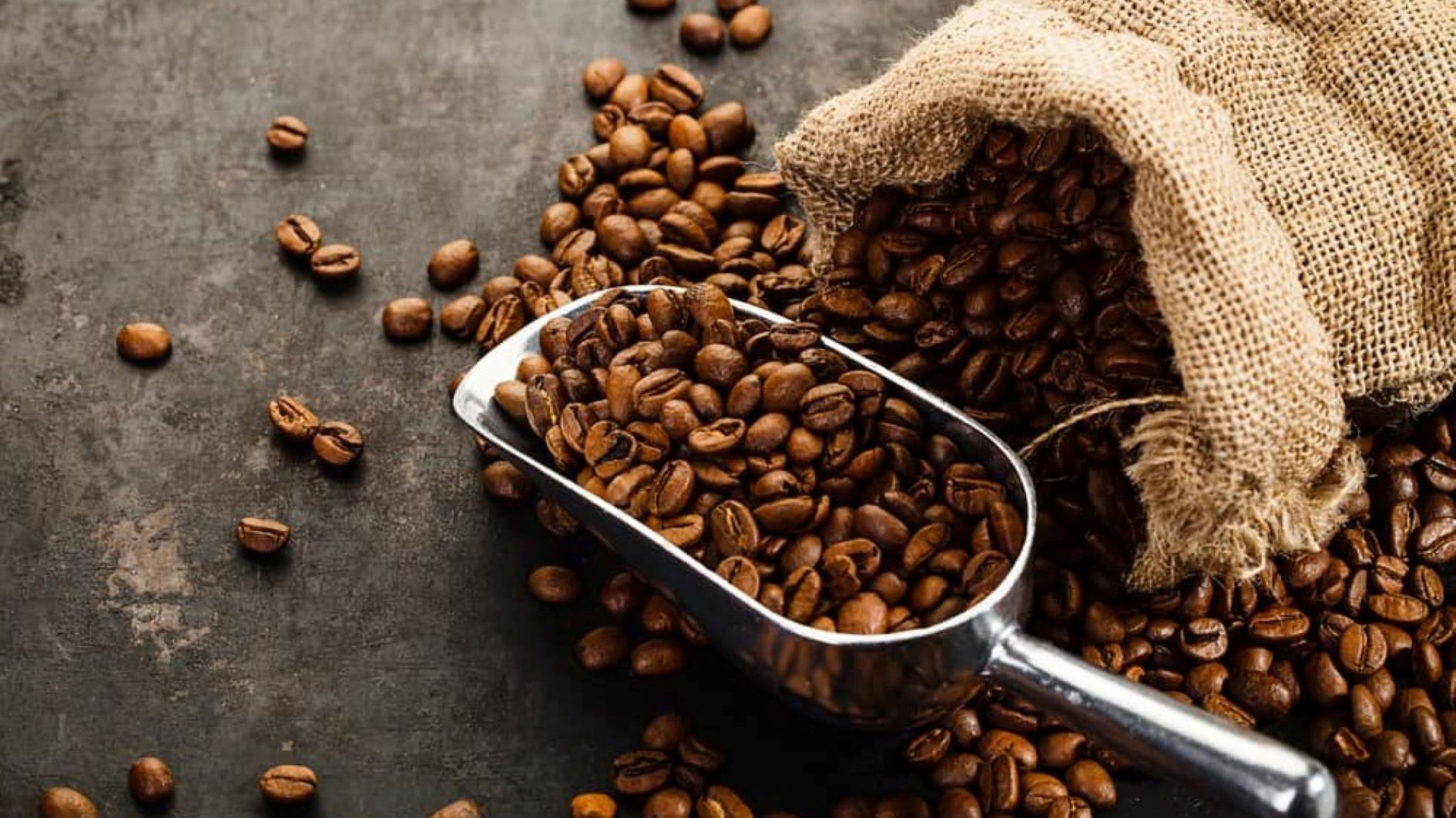
Although Africa is the historical birthplace of coffee and contributes approximately 12.5 per cent of global production, its financial returns remain disproportionately low.
Between 2025 and now, the continent’s total coffee export earnings are estimated at an average of $7.5b, which represents three per cent of the $263.5b global coffee market. This reflects a major value chain gap, where Africa exports primarily raw beans, while value addition occurs largely in Europe and North America.
Within Africa, Uganda and Ethiopia dominate coffee export earnings, contributing approximately 32 per cent and 28 per cent, respectively of total African revenue. Uganda has recently emerged as Africa’s leading exporter by volume, generating about $2.4b, while Ethiopia earns between $1.8b and $2.1b due to premium pricing for its specialty Arabica coffee.
To address this impasse, the Cocoa and Coffee Farmers Alliance Association of Africa (COCEFAAA) has unveiled a three-year development plan for Africa. The aim of the initiative was to inform stakeholders in the cocoa and coffee sectors, as well as the general public, of what COCEFAAA is bringing to the table for smallholder farmers, communities, and stakeholders across the continent, to change the trajectory of the underdevelopment of these two globally traded commodities.
It will be recalled that the Cocoa Farmers Alliance Association of Africa (COFAAA) transitioned into the COCEFAAA) on March 24, 2026, following a board resolution to merge cocoa and coffee, to build a stronger alliance voice connecting West, Central, and East Africa.
In addition, the two cash crops have enjoyed a robust relationship for over a decade in agroforestry practices and share common socio-economic and environmental challenges.

Furthermore, international market access for both commodities has remained a major concern for buyers and consumers over the years due to regulations, compliance requirements, and market volatility.
In his speech, the Global President of COCEFAAA, Comrade Adeola Adegoke, said the underdevelopment of cocoa and coffee in areas such as pre- and post-harvest activities, low yields per hectare, absence of climate-resilient and pest- and disease-resistant high yielding varieties, and low processing and value-addition capacity has been a major concern for the continent.
He said this has hindered the development of sustainable value chains and has significantly contributed to the export of jobs outside Africa, inadequate Gross Domestic Product (GDP) generation due to the export of raw commodities, and, more importantly, the low per capita earnings of smallholder cocoa and coffee farmers, which remain below one dollar per day.
“In the cocoa sector, Africa remains the undisputed global leader in production, contributing approximately 70 per cent of total global cocoa output, estimated at about 3.46 million metric tonnes out of 4.84 million metric tonnes globally. The production is heavily concentrated in West Africa, led by Côte d’Ivoire (approximately 1.85 million tonnes), Ghana (about 750,000 tonnes), Nigeria (over 340,000 tonnes), and Cameroon (about 320,000 tonnes).
“Despite this dominant production position, Africa captures only a small fraction of the global cocoa and chocolate market value. While the global chocolate retail market is valued at over $120b yearly, African countries collectively earn approximately $10b from cocoa exports, representing less than 10 per cent of the total global value chain. This disparity is largely due to limited value addition, as most African countries continue to export raw cocoa beans rather than processed products such as cocoa butter, powder, and finished chocolate,” he said.
Adegoke stressed that in response to the challenges, African countries are increasingly pursuing value addition strategies, noting that Côte d’Ivoire, for example, has become the world’s leading cocoa grinder, processing nearly 800,000 tonnes locally, while Ghana has reaffirmed her commitment to process 50 per cent of its total cocoa production locally and implement traceability systems to meet global market standards. “These efforts reflect a broader continental shift toward retaining more value within Africa.
“The COCEFAAA three-year development plan is designed to address these systemic challenges by repositioning Africa not only as a producer but also as a value-driven participant in the global cocoa and coffee economy. The plan focuses on sustainable production, intensification of agroforestry practices, strengthening of cooperative systems for improved market access, facilitation of robust policies, optimisation of yields per hectare, and increased investment in local processing (grinding, roasting etc), infrastructure development, and community support systems.
“The plan also aligns with continental goals to increase Africa’s share of the global coffee market to 20 per cent by 2030, while promoting intra-African trade and strengthening domestic consumption across emerging markets such as Egypt, South Africa, and Nigeria.”

