 Follow Us on Google News


 Follow Us on Google Discover
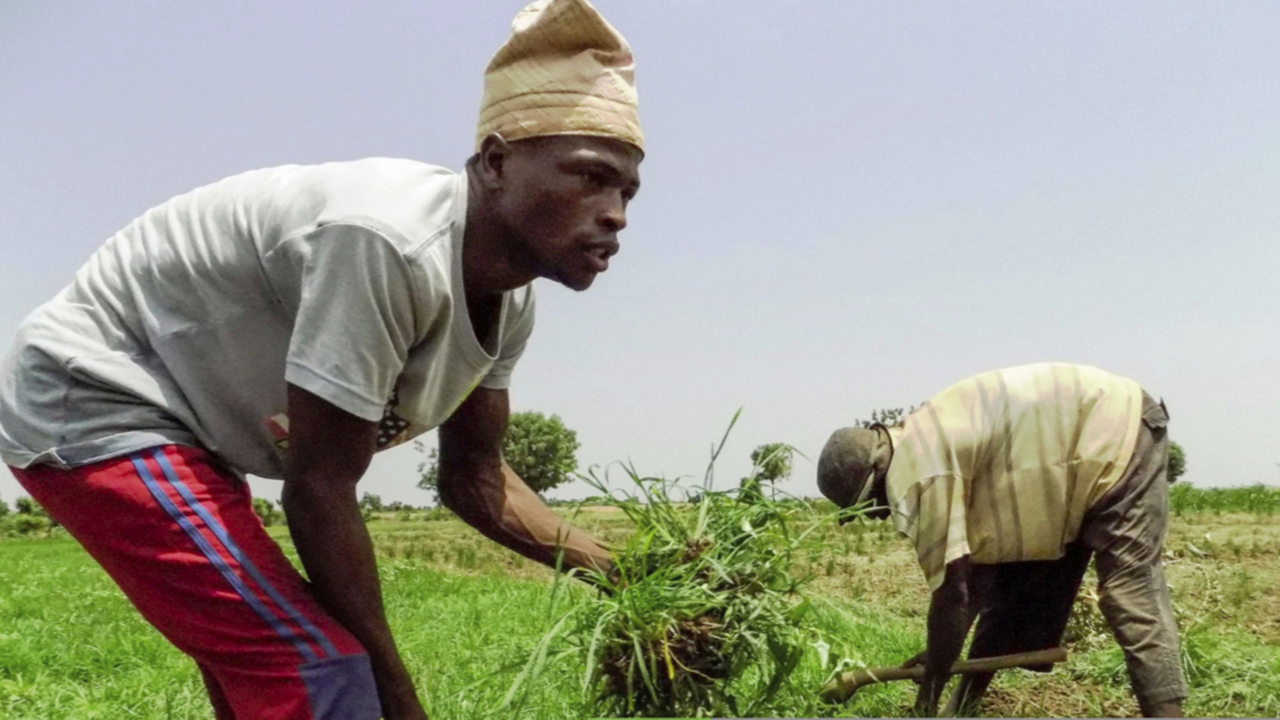
Diversion of Federal Government’s intervention initiatives to targeted farmers, especially in the rural areas, have been identified as a major challenge militating against the dream of food security in the country.
Stakeholders claim that this development has discouraged many farmers, as majority of them have abandoned farming and agribusiness for more lucrative professions.
[ad]
An Imo-based farmer, who specialises in crops, animal husbandry, maize production and piggery farming, Mr Mazi Emmanuel Offor, lamented that most government interventions in agriculture fail because non-farmers and those who have no business in agriculture are the direct beneficiaries.
“For instance, during the last distribution of maize seedlings, to the best of my knowledge, my colleagues and I in Okigwe, were not given anything, rather we went to the market to buy the seeds, which is not supposed to be. And during the course of buying these seedlings, inferior ones were sold to us, at least, if government creates a place where we can buy good ones, it will go a long way in solving some of the problems farmers face when it comes to purchasing seedlings.
“Farmers rarely get any attention directly from the government. It is sad that you’ll need to be connected to someone in government before you can enjoy some of the benefits, and that is difficult for some of us who do not have any connection whatsoever. Most of the people who get the benefits do not even have farms.
“As a farmer, who is into piggery, it will surprise you to know we are not supported by government, for example, during the time the African Swine Fever invaded the country, a lot of us were affected because we were not notified of its occurrence.
[ad]
“Whatever you do as a farmer is not the business of the Federal Ministry of Agriculture and Food Security, we practically do not have any financial support. As a farmer, I sometimes, get financial support from family members, whom I also have to pay back and it is really not encouraging.
“Government should be more receptive to farmers’ needs and concerns, regardless of political affiliation. They should provide facilities where we can store and preserve our produce so as to protect them from getting spoiled. We should be informed about new techniques and technologies that will help increase our farm yields.”

Another farmer, Moses James, said the growing number of political farmers in government, who have zero knowledge in farming is a major threat to food security in the country.
He said: “How can they intervene, when they do not have any idea of what their portfolio means? They do not even have the interest of we the farmers at heart, we are not given the opportunity to speak out, I have a farm where I plant different types of vegetables and I can confidently say that the government has not supported me in any way.
“Government should encourage farmers by providing them with loans to be paid back within a maximum of two years based on their nature of farming; they should distribute seeds as incentives through the designated centres that are available to farmers in their respective communities.”
[ad]
A female farmer, Mrs Bosede Suberu, added that government’s interventions, most times, do not get to the right people in farming because of improper monitoring.
“There is no accountability, once the provision is made, government probably expects those assigned with disbursement to get it to the farmers, but most times those who are not farmers see it as an opportunity to make money.
“I am a vegetable farmer, government support doesn’t come all the time, but the few times my agriculture extension officer informed me of government support I was there.”
She concluded that government should make it a necessity to ensure that all its incentives get to the right farmers, adding that until the fight against corruption is won, there will always be issues with disbursement of government incentives, noting that there should be accountability and transparency in the distribution of the interventions.
[ad]

