 Follow Us on Google News


 Follow Us on Google Discover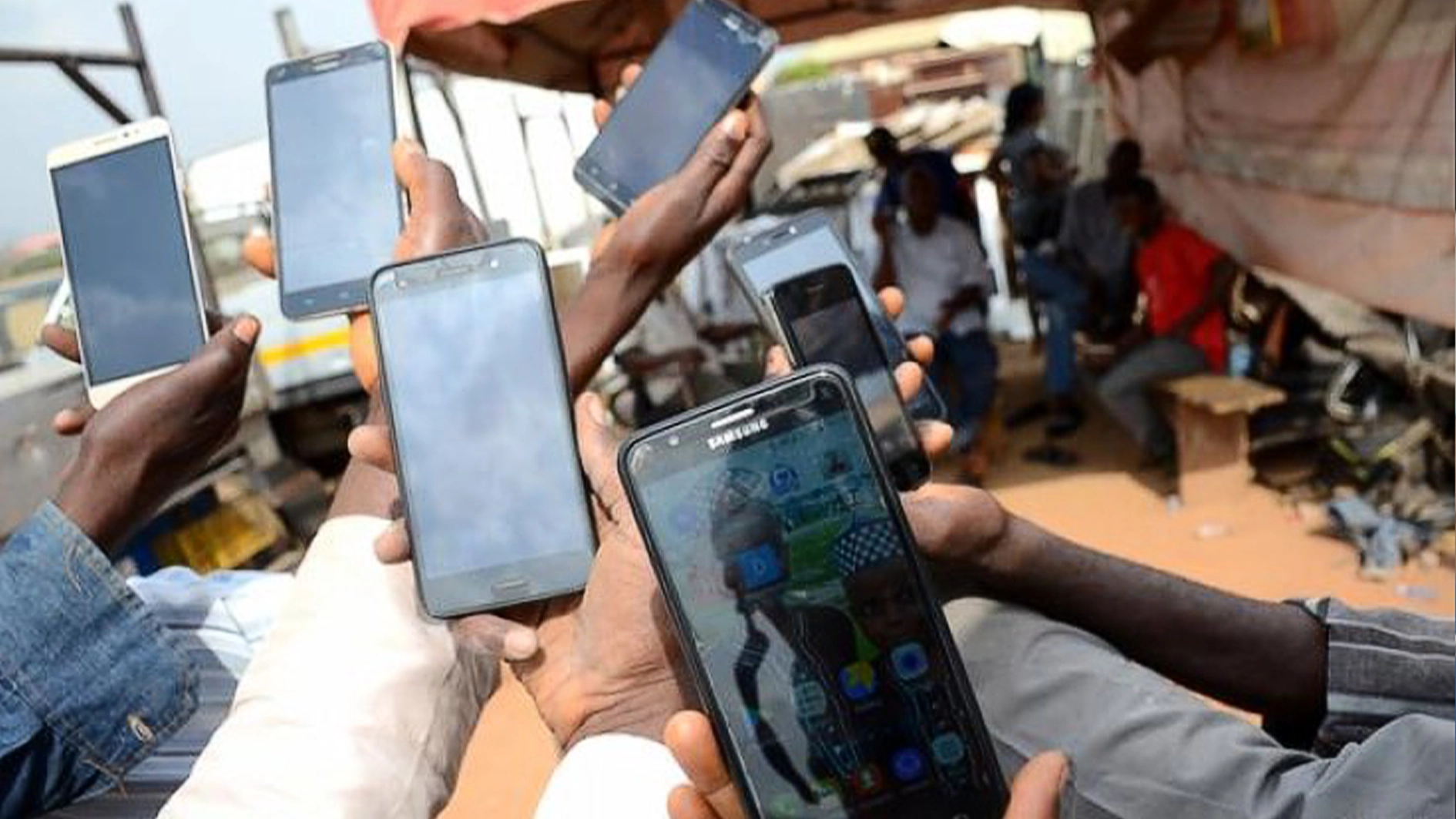
Smartphone ownership in Nigeria surged dramatically between 2023 and 2025, reshaping communication, commerce, and access to information across the country.
Generally, while Nigeria’s smartphone ownership rose to 75 per cent in 2025 from 64 per cent in 2023, gaining 11 per cent as mobile devices become increasingly central to how Nigerians access digital services, Benin, Onitsha, and Lagos led 12 other states in terms of ownership, boasting some of the highest penetration rates nationwide. Their rapid embrace of mobile technology reflects both economic vibrancy and a growing appetite for connectivity among diverse demographics.
The finding was contained in the Nigeria Smartphone Study: A Nationwide Analysis of Smartphone Ownership and Digital Application Usage, conducted by KPMG in partnership with Orange Group Nigeria.
Analysis of the 45-page document, in which 13,251 respondents were surveyed, showed that Kaduna had ownership penetration of 78 per cent in 2023, which fell to 74 per cent in 2025. Kano, 58 per cent to 80 per cent; Ilorin, 77 per cent to 45 per cent; Ibadan, 34 per cent to 61 per cent.
Lagos smartphone ownership rose from 78 per cent to 81 per cent; Benin, 79 per cent to 90 per cent; Onitsha, 74 per cent to 84 per cent; Port Harcourt, 54 per cent to 70 per cent; Aba, 48 per cent to 73 per cent.
Ownership in Owerri rose from 68 per cent to 84 per cent; Abuja, 66 per cent to 71 per cent and Jos, 43 per cent to 80 per cent.

Indeed, this widespread penetration underscores the nation’s shift toward a digitally connected society, where smartphones are no longer luxury items but essential tools for everyday life. From mobile banking to e-commerce and social networking, the influence of smartphones is redefining how Nigerians interact with the world and with each other.
The report attributed the ownership increase to factors including Nigeria’s large and youthful population, improving connectivity and greater smartphone affordability, which are supporting the transition from feature phones to internet-enabled devices.
“The country’s large, youthful and increasingly entrepreneurial population continues to drive digital adoption, innovation and technology-enabled economic activity,” the report said.
KPMG said smartphones have evolved beyond tools for communication and convenience, becoming important enablers of economic participation, innovation and enterprise.
According to KPMG, which revealed that Android, with 88 per cent market share, remained the dominant mobile operating system in Nigeria. It observed that despite the increase in smartphone ownership, there are still gaps in the quality and depth of digital access.
Partner and Head, Technology, Media &and Telecommunications, KPMG Africa, Lawrence Amadi, said: “More than a third of mobile subscribers were still on 2G as of May 2026, highlighting the continuing disparity in the depth and quality of digital access.”
The report identified infrastructure limitations, affordability, gaps in digital literacy and cybersecurity concerns as factors that could affect the pace and inclusiveness of Nigeria’s digital development.
It noted that the continued reliance on older network technology means that rising smartphone ownership does not by itself eliminate other barriers to digital participation.
The report highlighted the strong presence of Chinese smartphone manufacturers, particularly brands such as Tecno, Infinix and Itel. These brands have successfully captured large segments of the Nigerian market by offering affordable devices specifically designed for emerging markets, combining competitive pricing with features tailored to local consumer needs.
According to KPMG, premium smartphone brands such as Apple and Samsung also maintain strong brand recognition, although their market share is comparatively smaller due to higher device costs. Despite this, these brands continue to attract consumers seeking premium device experiences, advanced camera capabilities and strong ecosystem integration.

