 Follow Us on Google News


 Follow Us on Google Discover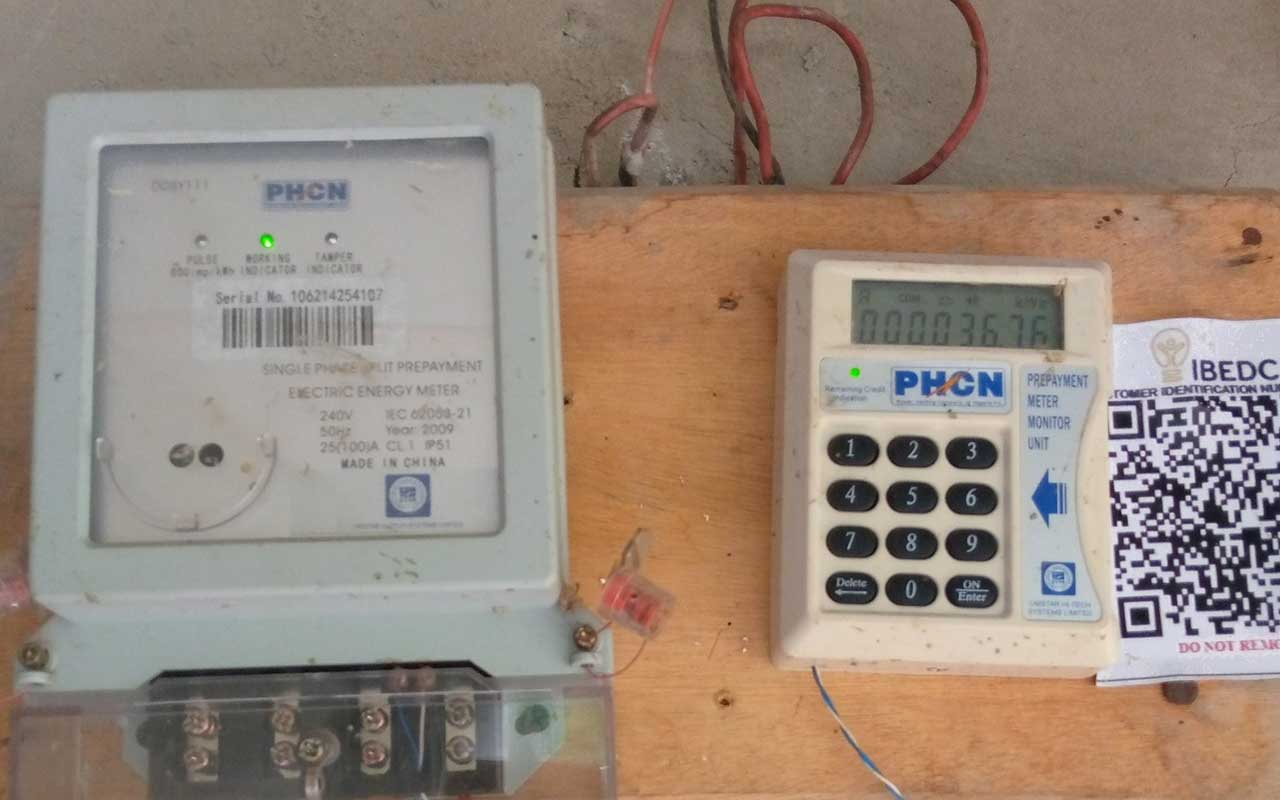
 . Unistar confirms card meter compatibility with STS 2.0 ahead of deadline
The Federal Competition and Consumer Protection Commission (FCCPC) has said it will address the ongoing concerns surrounding the phase-out of Unistar prepaid meters by Ikeja Electric Plc and other electricity distribution companies (DisCos), following widespread consumer complaints.
Recent announcements by Ikeja Electric indicated that the Unistar prepaid meters, first deployed over a decade ago, will no longer be supported from November 14, 2024, due to technological upgrades and the Token Identifier (TID) rollover issue.
[ad]
In a statement by the Director, Special Duties, FCCPC, Ondaje Ijagwu, he said the commission has observed rising anxiety among consumers over potential financial burdens, particularly whether they will be required to cover the cost of replacement meters. Further concerns relate to the possibility of consumers being placed on arbitrary estimated billing during this transition, which would violate existing rules.
He decried that these concerns have been worsened by insufficient communication from the DisCos about the phase-out process, leading to uncertainty and distrust.
He added that in line with their mandate to protect consumers and promote fairness in the Nigerian marketplace, the commission is actively engaging key stakeholders, including the Nigerian Electricity Regulatory Commission (NERC), Nigerian Electricity Management Services Agency (NEMSA), and the 11 DisCos, to make the metering process transparent and accountable while first, protecting consumer interests.
[ad]
“We are initiating discussions with Ikeja Electric and other stakeholders to clarify the phase-out process and ensure that DisCos bear the cost of replacing phased-out meters, without imposing extra charges on consumers. We will also work to ensure that DisCos comply with regulatory guidelines, preventing consumers from being unfairly charged or placed on estimated billing. Additionally, the FCCPC will ramp up consumer education on their rights, especially regarding metering and electricity billing, to prevent exploitation,” he said.
MEANWHILE, the phase-out is expected to exacerbate the country’s already huge metering gap, which currently stands at over seven million.
Industry stakeholders are worried that such a move could severely disrupt electricity billing for millions of customers, pushing them back into the contentious estimated billing system that has caused widespread dissatisfaction among consumers.

Despite the introduction of various initiatives, including the Meter Asset Provider (MAP) scheme and the ongoing Meter Asset Financing (MAF) programme, progress in closing this gap has been slow and a phase-out of existing meters without replacements could reverse the little gains achieved.
The metering gap remains a significant challenge for the power sector, with at least seven million consumers still without prepaid meters. Efforts to close this gap have been ongoing, with the Meter Asset Financing (MAF) scheme aimed at addressing the shortfall. However, progress has been slow, and any disruption in meter availability could further delay efforts to close the gap.
[ad]
Consumer groups have raised alarms about the possibility of consumers being subjected to estimated billing if meters are phased out without replacements as it has long been a contentious issue in Nigeria, with many consumers complaining of inflated charges due to the lack of functional meters.
While NERC has not issued a directive for the discontinuation of Unistar meters, it maintains that if such a decision is made, the DisCos should ensure that consumers are not adversely affected.
The Commissioner and Vice Chairman, NERC, Dr Musiliu Oseni told The Guardian that must the DisCos wait for the commission before preventing disasters or the inability of their customers to vend.
He added that the DisCos are phasing out meters that will be unable to be sold.
He had previously informed The Guardian that there was no official directive yet on phasing out Unistar meters by the Commission.
Oseni emphasised that Unistar meters are not upgradable, and therefore, it would eventually need to be phased out.
“Operationally, if they say those meters are not upgradable, they can decide to phase it out. But as you remove the meter based on the rule, they must replace them as it’s their responsibility to replace,” he said.
[ad]
Stakeholders are urging NERC to take a proactive stance in ensuring that the metering gap does not widen due to the potential Unistar meter phase-out and are calling for more investment in metering infrastructure to prevent future disruptions.
However, Unistar Hi-Tech Meters has clarified that its prepaid meters, utilising Card Meter Technology, are upgradable and fully compatible with the Standard Transfer Specification (STS) Meter Technology currently employed in distribution networks.
The meter company noted that although older, the Card Meter Technology has proven to be effective, with no issues or challenges reported and consumers have consistently validated its reliability.
National Coordinator of the All Electricity Consumer Protection Forum (AECPF), Adeola Samuel-Ilori (Ambassador), expressed that with the huge metering gap, the phase-out of Unistar meters would rather increase the gap than bridge it.
“Allowing discos to carry out such obnoxious moves will not bridge the metering gap but more issues on estimated billing will be unabated. So, it’s not a wise thing to do and the reason we took the steps we took to save the day for those categories of customers it will affect. Moreover, the law of operation never allows that surreptitious move would have resulted in litigation as we are prepared to challenge their propriety in court against the directive of the regulatory body,” he said.
Also, Electricity Market Analyst, Lanre Elatuyi, emphasised that it is the responsibility of DisCos to meter all customers. He stated that if a functional meter needs to be replaced, the DisCos should be obligated to cover the cost of the replacement.
[ad]

