 Follow Us on Google News


 Follow Us on Google Discover
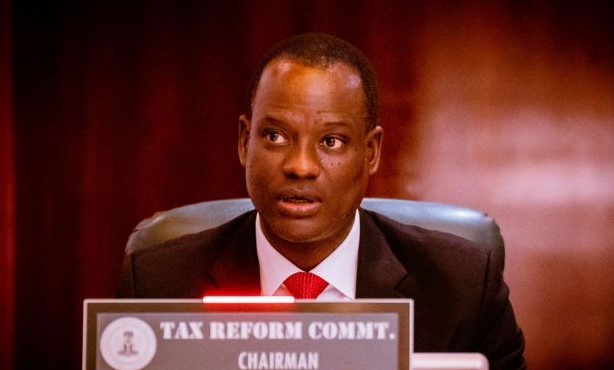
As uncertainty persists over the fate of the proposed tax reform bills in the National Assembly, the committee is proposing a N50 million tax exemption for small and micro businesses in the country.
[ad]
The tax reform bills are under severe political threat from sections of the northern part of the country which fault additional factors influencing the distribution, including 50 percent based on equality and 30 percent based on population.
Chairman of the Presidential Committee on Fiscal Policy and Tax Reforms, Taiwo Oyedele, explained that Micro and Small Enterprises (MSMEs) with a gross turnover not exceeding N25 million at the end of a financial year are exempt from paying Companies Income Tax (CIT).
However, he was quick to add that such companies are required to register for tax, obtain a Tax Identification Number (TIN), file their tax returns on or before the due date, and comply with other obligations stipulated under the Companies Income Tax Act (CITA).
According to Taiwo Oyedele, the proposed tax reform bills aim to increase the CIT exemption threshold from N25 million to N50 million. This adjustment is designed to further support the growth and sustainability of MSMEs.
Some key features of the new tax bill include changes to the income tax laws to facilitate remote work opportunities for Nigerians in Nigeria within the global business process outsourcing. This will empower our youths to play a key role in the digital economy space.
Political observers are of the view that an introduction of an equitable basis for VAT revenue sharing to ensure that states without many headquarters companies are fairly treated and rewarded for their economic contributions may attract political alignment that may hurt the ruling party.

A political activist who craved anonymity admitted that the bills are a set of new national fiscal policies that will set the framework for fair taxation, responsible borrowing, and sustainable spending.
Zero-rated VAT and other incentives to promote exports of goods, services, and intellectual property.
Tax exemptions for small businesses with an annual turnover of N50 million or less, including withholding tax, value-added tax, and 0% corporate income tax rate.
Exemption from PAYE (personal income tax) for minimum wage earners and reduced tax burden for over 90% of all workers in the private and public sectors.
[ad]
VAT at 0% for food, education, healthcare, and exemption for rent, public transportation, fuel products, and renewable energy. These items constitute an average of 82% of household consumption and nearly 100% for low-income households to ameliorate the rising cost of living for the masses.
A banker, Tolulope Alayande, is upbeat about the introduction of a tax ombudsman, describing it as a welcome development.
The Tax Ombudsman is meant to advocate for an improved tax system and protect vulnerable taxpayers.
He also welcomed the reduction of the corporate income tax rate from 30% to 25% over the next two years and elimination of earmarked taxes on companies to be replaced with a harmonised single levy at a reduced rate.
The tax bill envisages the elimination of minimum tax on loss-making companies and those with low-profit margins.
It also proposes granting input VAT credit to businesses on assets and services to improve investment competitiveness and reduce the cost of goods and services.
The tax deal redesigns the personal income tax brackets and rates, VAT, and capital gains tax to be progressive while protecting the poor.
Also, it contains a proposal to repeal over 50 nuisance taxes and levies and harmonise the remaining taxes to a single digit.
[ad]

