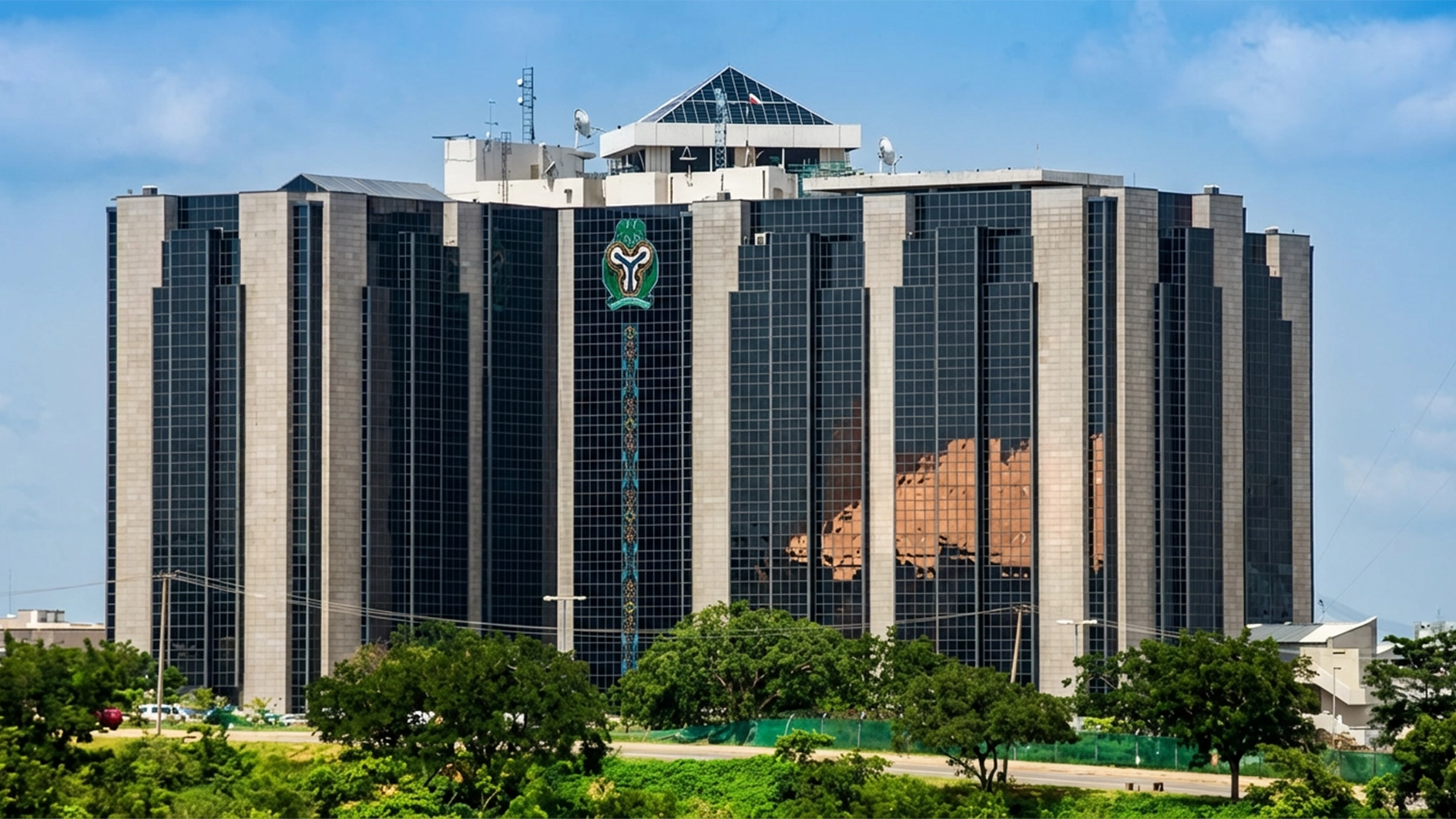
The Central Bank of Nigeria (CBN) has projected a more stable and resilient economy in 2026, despite lingering global uncertainties, citing the impact of reforms implemented since 2023 and improved macroeconomic coordination.
This is contained in the 2026 Macroeconomic Outlook, themed “Consolidating Macroeconomic Stability amid Global Uncertainty”, which reviews economic developments in 2025, outlines projections for 2026 and highlights policy priorities to mitigate emerging risks.
According to the report, the outlook for 2026 is “cautiously optimistic”, with expectations that the economy will stabilise further as growth picks up modestly, inflation continues to moderate and the foreign exchange market remains stable. The Bank also projected improved activity in the non-oil sector, although it noted that structural constraints persist.
The CBN said that following a prolonged period of monetary tightening to curb inflationary pressures, it eased its policy stance in September 2025 to support domestic growth and investment. The decision, it said, was driven by “continuing disinflation, sustained exchange rate stability, and improved liquidity conditions”.
It added that external buffers strengthened during the period due to increased remittance inflows through International Money Transfer Operators (IMTOs), steady oil receipts and rising non-oil exports, which collectively supported naira stability. The Bank also reported “substantial progress” in its transition towards a full-fledged inflation-targeting regime, supported by improved forecasting tools, modelling frameworks and enhanced policy communication.
According to the Outlook, strategic policy decisions taken in 2025 improved price and exchange rate stability, boosted capital inflows and strengthened the resilience of the financial system. It noted that significant progress was also recorded in the ongoing banking sector recapitalisation exercise, with many banks already meeting the new capital thresholds.
“As a result of the implementation of coordinated macroeconomic policy measures and the impact of the reforms, the Outlook projects a more stable and resilient Nigerian economy in 2026,” the report stated, adding that inflation is expected to continue moderating, output growth to strengthen and foreign exchange stability to be sustained, leading to further reserve accumulation.
The document stressed the need for harmonised fiscal and monetary policies, institutional reforms and tailored guidelines to sustain investor confidence and economic momentum.
It also stressed the importance of maintaining orthodox monetary policy and continued reforms in the foreign exchange market to ensure price and exchange rate stability.
Beyond diagnostics, the Outlook outlined policy priorities across key sectors, including the use of Public-Private Partnerships (PPPs) to drive inclusive growth, improve productivity and boost job creation. While noting encouraging prospects, it warned that achieving these goals would require sustained reform commitment and careful management of domestic and global risks.
“As the monetary authority of Nigeria, the Bank remains steadfast in achieving its core mandate of price stability while promoting sustainable development and fostering economic resilience,” the Deputy Governor, Economic Policy, Muhammad Sani Abdullahi, said.
He added, “The Bank will sustain its regulatory oversight and commitment to ensuring that policies are timely, data-driven, and supportive of a stable macroeconomic environment.”
Abdullahi also commended the Research Department for producing the report and invited stakeholders to engage with its findings. “I invite all stakeholders, including policymakers, business leaders, academics, civil society organisations, and the public to take full advantage of the insights presented in this Outlook. Together, we can chart a path toward a more stable, prosperous, and competitive economy,” he said.
The executive summary of the report noted that global economic growth slowed slightly to an estimated 3.20 per cent in 2025, from 3.30 per cent in 2024, due to lingering trade tensions and weaker demand in major economies. Global inflation, however, moderated to 4.20 per cent, supported by lower energy costs and easing supply-chain pressures.
Nigeria’s economy was estimated to have grown by 3.89 per cent in 2025, up from 3.38 per cent in 2024, supported by improved performance in both the oil and non-oil sectors. Following the rebasing of the consumer price index by the National Bureau of Statistics, inflation, which stood at 24.48 per cent in January 2025, averaged an estimated 21.26 per cent for the year, reflecting tight monetary policy, exchange rate stability and improved fiscal-monetary coordination.
The report stated that monetary aggregates expanded more slowly in 2025 due to tighter financial conditions, although the Bank eased policy in September to support growth. It added that the banking system remained stable, with key financial soundness indicators broadly aligned with regulatory benchmarks.
On fiscal performance, the CBN said fiscal space improved in 2025 due to reforms, stable crude oil prices and domestic production. Total public debt stood at 33.98 per cent of GDP at end-June 2025, with domestic debt accounting for 52.86 per cent and external debt 47.14 per cent.
The external sector recorded a balance of payments surplus of an estimated US$5.80 billion in 2025, supported by higher reserves, which rose to about US$45.01 billion from US$40.19 billion in 2024. Exchange rate stability during the year was attributed to domestic reforms, stronger capital inflows, higher export receipts and expanding local refining capacity.
Looking ahead, the CBN projected economic growth of 4.49 per cent in 2026, driven by continued structural reforms, a gradually easing monetary stance and improved investor confidence. Growth is also expected to benefit from increased oil production, enhanced security surveillance and expanded domestic refining capacity. Headline inflation is projected to moderate to an average of 12.94 per cent in 2026, supported by lower food and petrol prices.
The report projected that growth in monetary aggregates in 2026 would be influenced by exchange rate movements, fiscal operations, election-related spending and ongoing prudential measures. The capital market is expected to remain bullish, supported by bank recapitalisation, rising investor confidence and pro-growth policies.
On the fiscal outlook, the CBN said retained revenue and expenditure for 2026 are projected at ₦35.51 trillion and ₦47.64 trillion respectively, resulting in a provisional deficit of ₦12.14 trillion, equivalent to 3.01 per cent of GDP. Public debt is projected to rise to 34.68 per cent of GDP by end-2026.
Externally, the current account surplus is expected to rise to US$18.81 billion in 2026, supported by strong exports, steady remittance inflows, increased oil and gas output and improved domestic refining capacity. Portfolio inflows and external borrowings are projected to keep the financial account in a net borrowing position of US$10.15 billion, while external reserves are expected to rise to US$51.04 billion.
The report warned, however, that the outlook remains subject to risks, including possible resurgence in inflation if fiscal spending rises sharply or if global financial conditions deteriorate, triggering capital reversals and exchange rate volatility. It also cautioned that adverse weather conditions, disruptions to crude oil production, geopolitical tensions and renewed protectionist trade policies could weaken growth and external balances.
It further noted that a significant rise in non-performing loans could weaken banks’ balance sheets, while concentration risks from recapitalisation could lead to investor fatigue and crowd out other issuers.
In 2026, the Bank said it would continue to balance price stability with output growth, deploy appropriate policy tools to attract foreign investment and consolidate foreign exchange stability, and strengthen financial system resilience through deeper implementation of the Global Standing Instruction framework and enhanced cybersecurity regulation.
The report also called for broader tax reforms, including effective implementation of the Nigeria Tax Act, 2025, to widen the tax base and improve efficiency, while urging fiscal authorities to ensure that borrowing remains aligned with debt sustainability rules.