 Follow Us on Google News


 Follow Us on Google Discover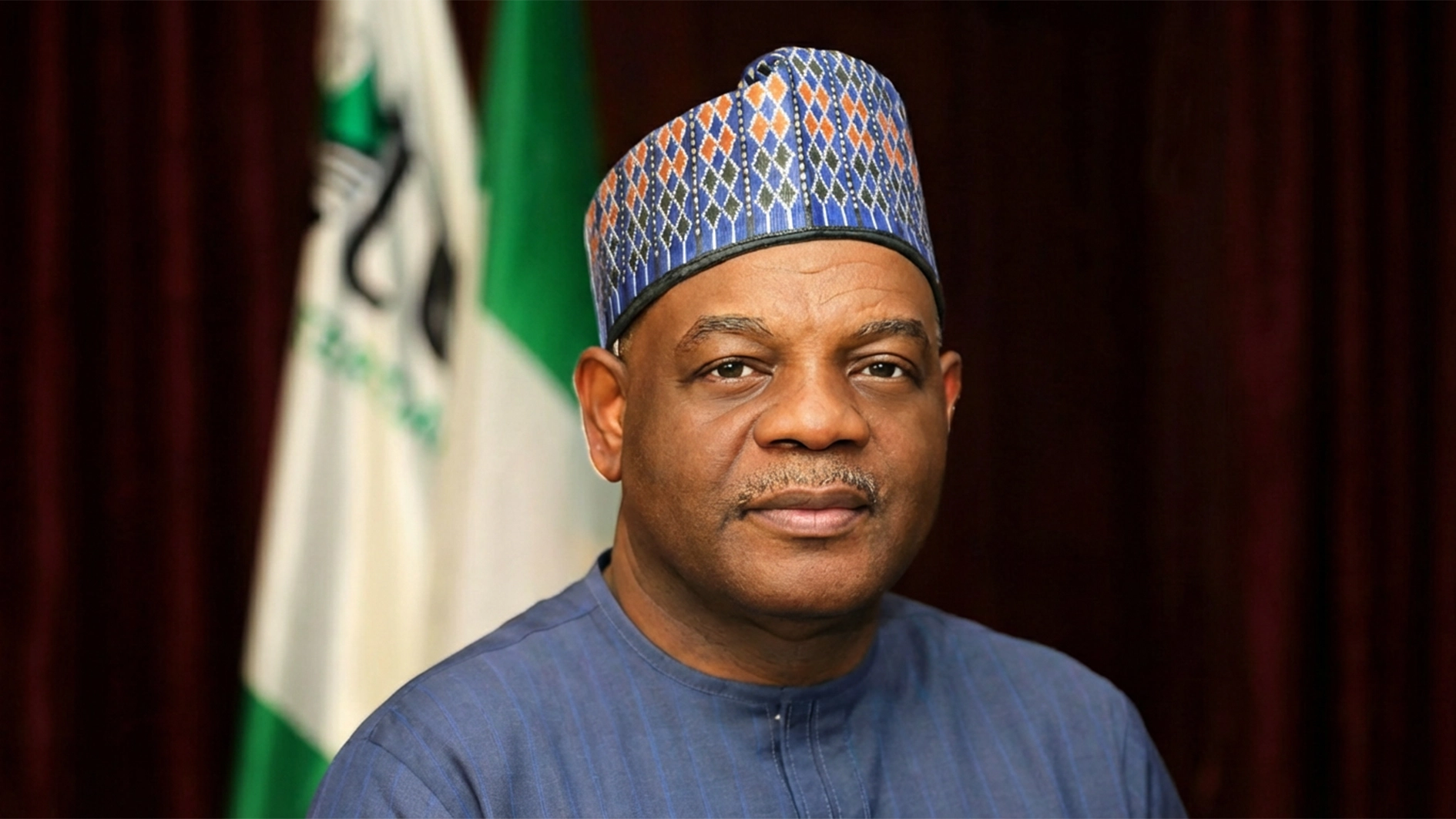
The nexus between research, innovation and national development formed the thrust of the Obafemi Awolowo University’s 65th Anniversary Lecture recently delivered by the Executive Secretary, Tertiary Education Trust Fund (TETFund), Arc. Sonny Echono.
Drawing from the anniversary theme, ‘Legacy of Excellence – Future of Impact,’ which appropriately reflects the ideals and enduring heritage of OAU as one of Africa’s foremost centres of learning widely recognised for its unwavering commitment to academic excellence, Echono said the institution has lived to the ideals of its founding fathers as the breeding ground for erudite scholars, legal luminaries, successful businessmen, diplomats, accomplished technocrats and administrators.
“For us at TETFund, we shared a common vision of excellence with the Great Ife, especially at a time like this, when we are driving the imperative of research and innovation to improve the competitiveness of our tertiary institutions.
“Please permit me to pay tributes to the pioneer and successive Vice Chancellors of the university for sustaining the legacies of the university’s founding fathers. The Great Ife has remained a symbol of commitment and purposeful leadership. I want to particularly commend the current Vice Chancellor of the University, Prof. Adebayo Simeon Bamire, for bringing a unique combination of his intellectual prowess and administrative experience to bear in the administration of the university.
“He is providing focused and purposeful leadership for ensuring the stability of the institution and the preservation of its unique identity. This is how a Scholar-Administrator can build bridges between the university and the larger community,” Echono said.
Speaking on the concept of research and innovation, the Executive Secretary described research as a systematic process of investigation aimed at discovering new knowledge, validating existing ideas, solving identified problems or improving current systems and practices. Citing Creswell (2014), he added that research – scientific, social, technological, medical, educational or policy-oriented – basically involves a process of steps used to collect and analyse information to increase people’s understanding of a topic or issue.

Innovation on the other hand, he said, refers to the practical application of ideas, discoveries or research findings to create value. According to him, innovation transforms theoretical knowledge into useful products, services, systems or methods that solve societal problems.
“Although research and innovation are often discussed separately, they are closely connected. Research creates knowledge while innovation turns that knowledge into practical and useful results. Without research, innovation lacks depth and lasting value, and without innovation, research findings may remain in libraries and journals with little real impact on society,” he said.
Echono stated that a country’s progress largely depends on its ability to generate knowledge, apply science, foster innovation and convert ideas into practical solutions for society.
“It is obvious that leading economies have advanced by investing in research and innovation, impacting sectors such as industry, healthcare, agriculture, transport, security and digital technology. Globally, the focus has shifted from reliance on natural resources to prioritising knowledge, technology, creativity and innovation,” he stated.
He decried that Nigeria, like many developing countries, is confronted with the challenges of practical and knowledge-driven solutions.
“Notably, issues such as unemployment, insecurity, weak industries, inadequate infrastructure, limited healthcare facilities, food insecurity and low technological capacity hinder progress. However, these challenges also present opportunities for research institutions and innovation agencies to drive meaningful change,” Echono said.
On the role of research and innovation in national development, he held that no country can achieve sustainable economic growth and technological progress without investing in knowledge and practical innovation, stressing that a very strong nexus exists between research, innovation and national development.
“It is widely acknowledged that research and innovation play a crucial role in the development of all societies and the success of all nations. The importance of research and innovation has grown significantly in the 21st century due to globalisation, technological advancement, digital transformation and increasing competition among nations. There is increasing drive to invest heavily in research institutions, technology hubs, innovation parks and higher education systems because it is recognised that knowledge is one of the most valuable resources in the modern economy.
“The application of research and innovation cuts across virtually every aspect of human life. In healthcare, medical research has led to the development of vaccines, treatment procedures, diagnostic equipment and disease prevention strategies that continue to save millions of lives globally.
“In agriculture, research and innovation have contributed to improved crop varieties, mechanised farming systems, irrigation technology, and food preservation methods that support food security and increase agricultural productivity. Notably, countries such as Brazil, India and China have invested significantly in agricultural research institutions, resulting in major improvements in food production and export capacity.
“Similarly, innovation in engineering and transportation has transformed urban mobility, infrastructure development and industrial productivity. In the same vein, digital innovation has equally revolutionised communication, financial systems, education delivery, governance and commerce worldwide. Research and innovation provides governments and institutions with reliable data for planning and policy formulation. Evidence-based policymaking enables governments to make informed decisions rather than relying solely on assumptions or political considerations,” Echono said.
Furthermore, he attributed national security and social stability to supports from research as studies on conflict management, migration, social behaviour, cybersecurity and intelligence gathering help governments develop more effective approaches to addressing insecurity and developing response to social unrest.
To him, universities should not be limited to teaching existing knowledge, but equally generate new ideas that improve society.
“Thus, for Nigeria to achieve meaningful socio-economic development, it is absolutely imperative that it prioritise and strengthens its research and innovation ecosystems. As we pivot into the 21st century, the development of an appropriate level of research and innovation capacity will obviously continue to be a critical requirement of the development process,” he said.

