 Follow Us on Google News


 Follow Us on Google Discover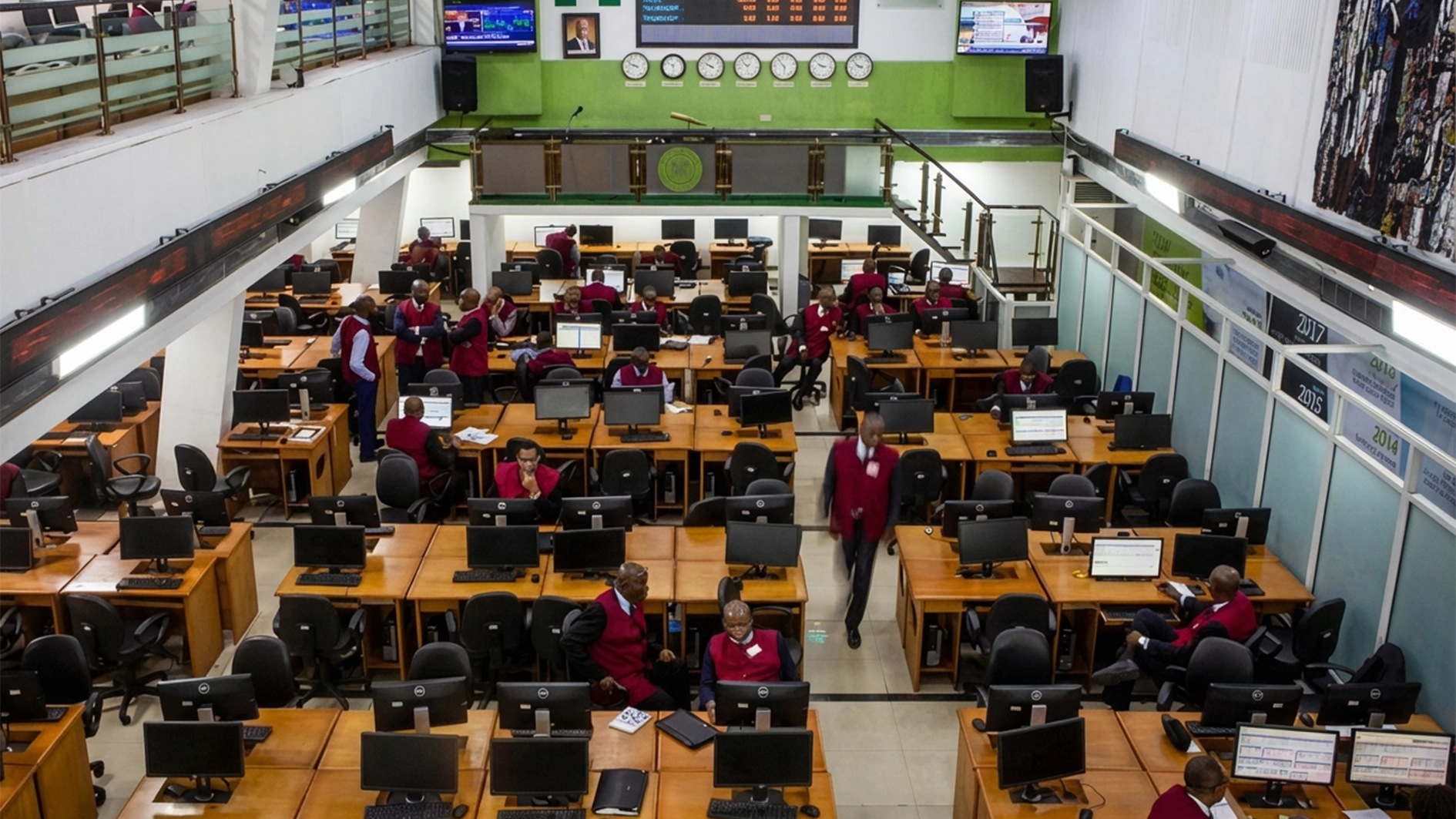
Eight stocks account for about 61 per cent of the stock market’s N127 trillion capitalisation, leaving about N50 billion for the other 169 stocks listed on the Nigerian Exchange Limited (NGX)
As at the end of transactions on Friday, the eight highly-capitalised stocks – MTN N, BUA Foods, Dangote Cement, BUA Cement, Airtel, Aradel, Seplat and GTCO – were valued at N77.4 trillion or 60.94 per cent.
MTN Nigeria is currently the most valuable stock on the NGX with a market cap of N16.4 trillion, representing about 12.8 per cent of the entire equity market. BUA Foods follows with N14.4 trillion, while Dangote Cement is valued at N13.4 trillion.
Other leading stocks include BUA Cement, accounting for N9.14 trillion of overall market value; Airtel Africa achieved N8.53 trillion in market cap; Aradel Holdings constitutes N5.82 trillion in value; Seplat Energy accounts for N5.46 trillion market cap, while Guaranty Trust Holding controls N4.29 trillion.
Only MTN, BUA Foods, Dangote Cement and Dangote Cement account for N44.2 trillion, representing 35 per cent of the market value.
Operators at the weekend argued that the dominance of eight stocks accounting for about 61 per cent of the N127 trillion market cap signals a high level of market concentration with negative consequences for the broader market.

They argued that when such a large portion of market value is concentrated in a few companies, any sharp decline in those stocks can significantly pull down the overall market index, even if most other listed companies are performing well.
This means the broader market may appear weak or strong, mainly because movement is driven by a handful of stocks, creating a distorted picture of the true health of the equities market.
According to them, gains and capital appreciation recorded during the strong market rallies of the 2024 and 2025 financial years were largely concentrated among a few companies that account for a significant share of total market value in the face of the fading of penny stocks.
In 2024, the Nigerian stock market delivered one of its most remarkable performances in history, generating a capital gain of N22 trillion.
Last year, the key indicator – the all-share Index – also soared by 37 per cent, trailing the 47 per cent high recorded in 2013.
The index closed the 2024 financial year at 102,926.4 points from 74,773.77 points at which it opened trading on January 2, 2024, representing a 37 per cent growth.
Similarly, market capitalisation gained N22 trillion to close at N62.76 trillion from N40.92 trillion.
This huge concentration of the market in a few stocks raises concerns about market breadth and highlights the need for broader participation and the listing of more large and mid-sized companies to deepen the market for stakeholders.
Managing Director and Chief Executive Officer of Arthur Stevens Asset Management Limited, Olatunde Amolegbe, said the uneven dominance of a few large companies is not unusual, noting that in most markets the biggest and most capitalised firms typically account for a significant share of transactions as they are the most liquid.
Amolegbe explained that the situation is not unique to Nigeria but stressed that deliberate efforts are needed to broaden the depth of the market so that it can better reflect the structure of the economy.
Team Lead, Finance Research Department at InvestingPort, Uwen Olubummo, warned that the dominance of eight stocks signals a high level of market concentration with several negative implications for the broader equities market.
Olubummo explained that when a handful of companies account for such a large share of market value, it heightens systemic risk, as any sharp decline in those stocks could significantly drag the entire market even if most listed companies are performing well.

