 Follow Us on Google News
 Follow Us on Google Discover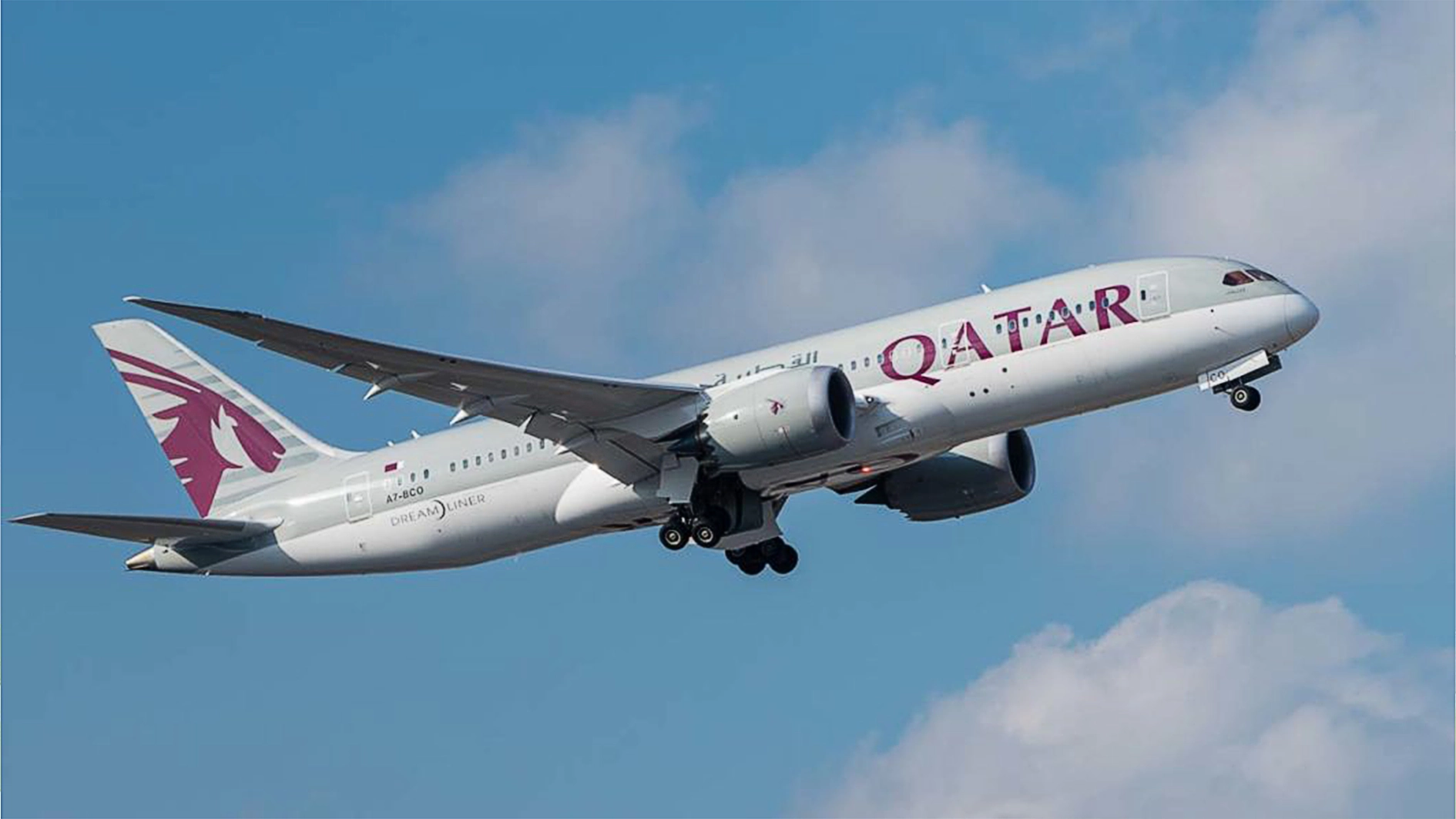
Emirates and Qatar Airways aircraft are grounded at the Murtala Muhammed International Airport (MMIA), Lagos, as a result of the war that broke out between Iran and the United States/Israel on Saturday, The Guardian has learnt.
Emirates operates Boeing 777-300ER to Lagos with a seating capacity of 304 passengers, while Qatar Airways uses either Airbus B787-8, B787-9 and Airbus A350-900 with 283-311 seating capacities.
This comes as the ongoing war is projected to cost the Middle East as much as $367 billion in annual tourism revenue if it continues.
Already, the war has disrupted air travel across the Gulf, grounded aircraft in numerous countries, and some airlines diverted their flights to other regions as thousands of passengers are stranded worldwide.
The United Nations (UN) World Tourism Barometer, in its published data on revenue generation from tourism in the Middle East in 2025, estimated about $367 billion.
Speaking on the issue, the Executive Director of the African Travel Commission (ATC), Lucky George, described the ongoing war as “catastrophic” for the global travel and tourism industry.

George, in an interview with The Guardian, noted that Nigerians were among the worst-hit passengers, as some of them are stranded in different countries around the world as a result of the ongoing war.
He also regretted that the crisis would affect tourism growth in the region, as most tourists would be cautious when choosing their destinations in the future.
He said: “Tourism thrives in an atmosphere of peace and of course, as you have noticed over the years, the Middle East has been the beacon of tourism activities from the United Arab Emirates (UAE), majorly Dubai, to Doha, Oman and the Qataris.
So, definitely any crisis of such an effect affects the industry. Though a lot of people definitely knew that the rhetoric from the United States, the Middle East, from the Iranian side and of course, the Israeli side pointed to the fact that something terrible was going to happen.
“And when it happened, the travel and tourism industry was the first to suffer. Dubai has one of the busiest airports in the world and of course, with this crisis ongoing, people cannot continue their journeys and they can also not return home, while those who booked their holidays cannot embark on the journey.”
Also, travel and tourism analyst, Ikechi Uko, warned that beyond the immediate financial loss, the conflict could inflict long-term reputational damage on key destinations such as Dubai, Doha and Abu Dhabi.
According to him, Dubai had positioned itself as a global hub for business, tourism, trade and air connectivity, noting that even after the war, reputational damage could linger.
He expressed that confidence in travel to the Gulf had been shaken by the war.
Uko said that aircraft from Gulf carriers, especially the UAE and Qatar, are parked in various countries due to the disruption.
He said: “No matter all the mitigations they are doing, it’s a reputational attack and that is usually difficult to recover from, but Dubai has gone through worse things and has gotten back. So, let’s hope eventually they can scale back.
“The damage to the airline is massive. Their planes are parked all over the world. I have seen their planes in Germany, Egypt, Kenya and others. Doha, Dubai, and Abu Dhabi are going to suffer heavy reputational damage.”
The Head of Business at Travelden, Temidayo Isabemueh, said rising tensions at this scale typically affect traveller confidence first, even in destinations not directly impacted by violence.
He feared that the ongoing war might lead to skyrocketing insurance premiums, while airlines could raise fares.
According to him, restoring confidence would require clear communication from authorities, visible safety measures, flexible travel policies and consistent airline operations.
“Leisure travel has slowed, airlines may adjust routes if it lingers longer, and travel costs may increase due to insurance and operational considerations.
“Destinations like Dubai, which rely heavily on international visitors, often feel this impact quickly, even when there is no direct disruption on the ground,” he said.

