 Follow Us on Google News
 Follow Us on Google Discover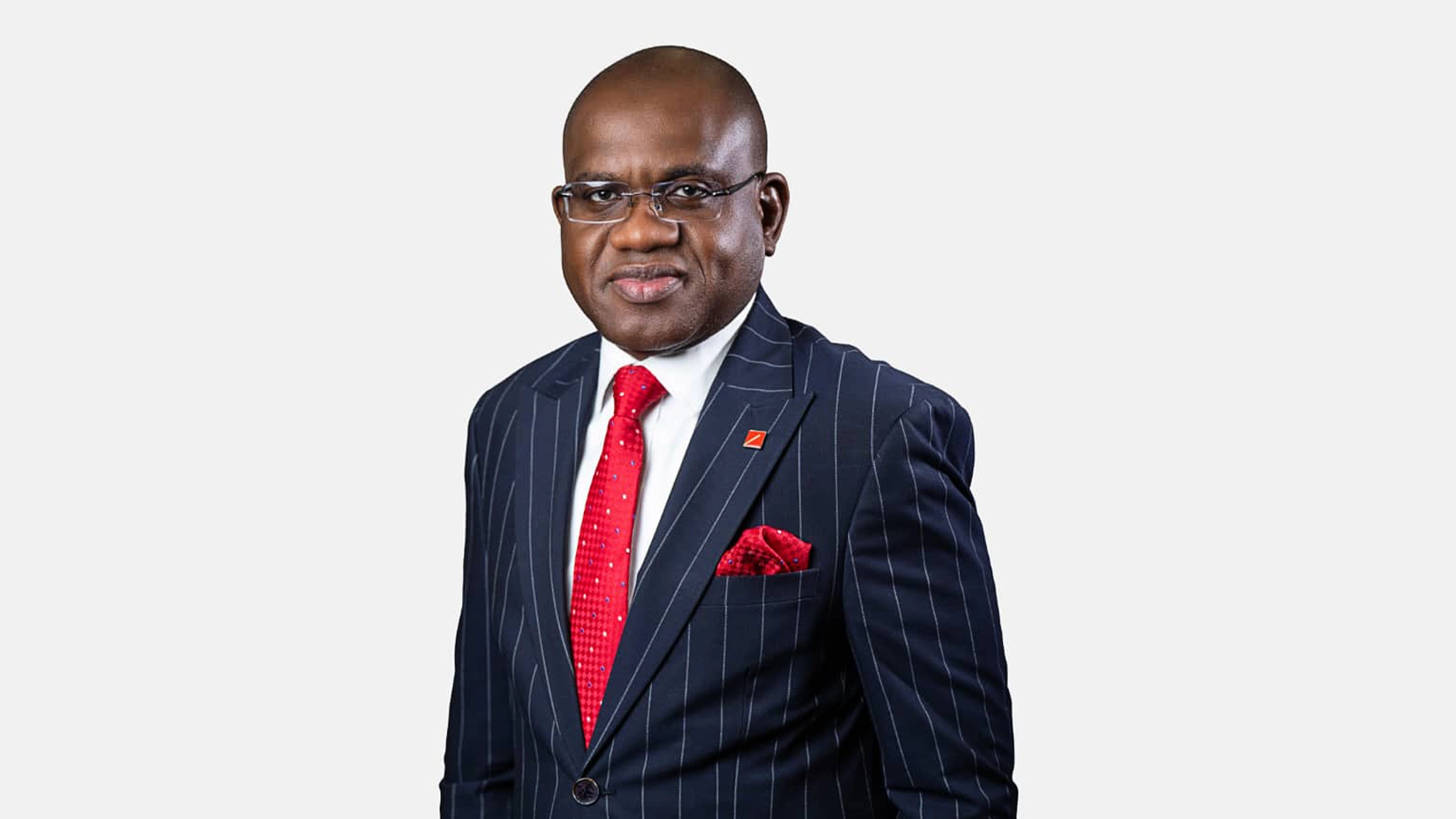
Group Chief Executive Officer of United Capital Plc, Peter Ashade, has unveiled the company’s plans to deepen its expansion across Africa, roll out new products in the second half of 2026 and pursue its long-term ambition of becoming a diversified financial services powerhouse as assets surpassed the N2 trillion mark.
Speaking during the company’s Investor Relations Roundtable in Lagos yesterday, Ashade said United Capital has undergone a major transformation since he assumed office in July 2018, evolving from a capital market operator into a full financial services group with seven operating businesses, two associate companies and operations in 12 African countries.
According to him, the group’s expansion strategy has been driven by disciplined execution, strong corporate governance and investments in technology, people and research, adding that the company is positioning itself to become one of Africa’s leading financial institutions.
Ashade disclosed that assets under management, which were below N100 billion in 2018, exceeded the group’s original N1 trillion target in 2022 and have now grown to more than N2 trillion.
He pointed out that the company recently acquired a five per cent stake in Nigerian Exchange Group Plc as part of its long-term strategic investment plan, adding that it has expanded beyond Nigeria into 12 African markets, including Rwanda and Ethiopia, where it became one of the first Nigerian financial services institutions to establish operations.
According to him, the rapid growth reflects increasing confidence from investors and clients in the company’s business operations.

He noted that the group’s African expansion is aimed at creating long-term value for shareholders while supporting economic integration across the continent.
He said shareholder value has increased by more than 2,500 per cent over the past eight years, while the company has consistently paid interim dividends over the last three years in addition to its final dividends.
The chief executive said United Capital remains committed to strengthening its governance structure by investing in risk management, research and investor relations to support sustainable growth across its expanding operations.
He said the group has lined up several new products and strategic initiatives scheduled for launch between August and December 2026, adding that the company is also investing heavily in technology and retail financial services to broaden its customer base.
Reaffirming confidence in Nigeria’s economic outlook, Ashade said United Capital would continue to pursue disciplined expansion across Africa, focusing only on markets that align with its long-term strategy.
He also reiterated the group’s commitment to transparency and consistent engagement with stakeholders, adding that the company would continue to build sustainable value for shareholders while positioning itself for the next phase of growth.
Group Chief Economist, Ayodele Akinwunmi, said the current economic reforms are creating new investment opportunities across banking, construction, oil and gas, consumer goods and infrastructure, urging investors to take advantage of the changing business environment.
He noted that Nigeria’s economy is expected to grow by about four per cent this year, adding that while faster growth would be required to achieve the country’s long-term ambition of becoming a $1t trillion economy, reforms in key sectors are laying the foundation for stronger expansion.
According to him, Nigeria’s emergence as a net exporter of refined petroleum products is reducing dependence on imports, improving foreign exchange stability and attracting fresh investment into the economy. He added that growing exports of refined fuel, aviation fuel and fertiliser are increasing foreign exchange earnings, while diaspora remittances and foreign portfolio inflows are also strengthening external reserves.
Akinwunmi said United Capital expects interest rates to moderate in the second half of the year as inflationary pressures ease and major central banks slow monetary tightening. He explained that lower borrowing costs would support business expansion and improve the outlook for the capital market.

