 Follow Us on Google News


 Follow Us on Google Discover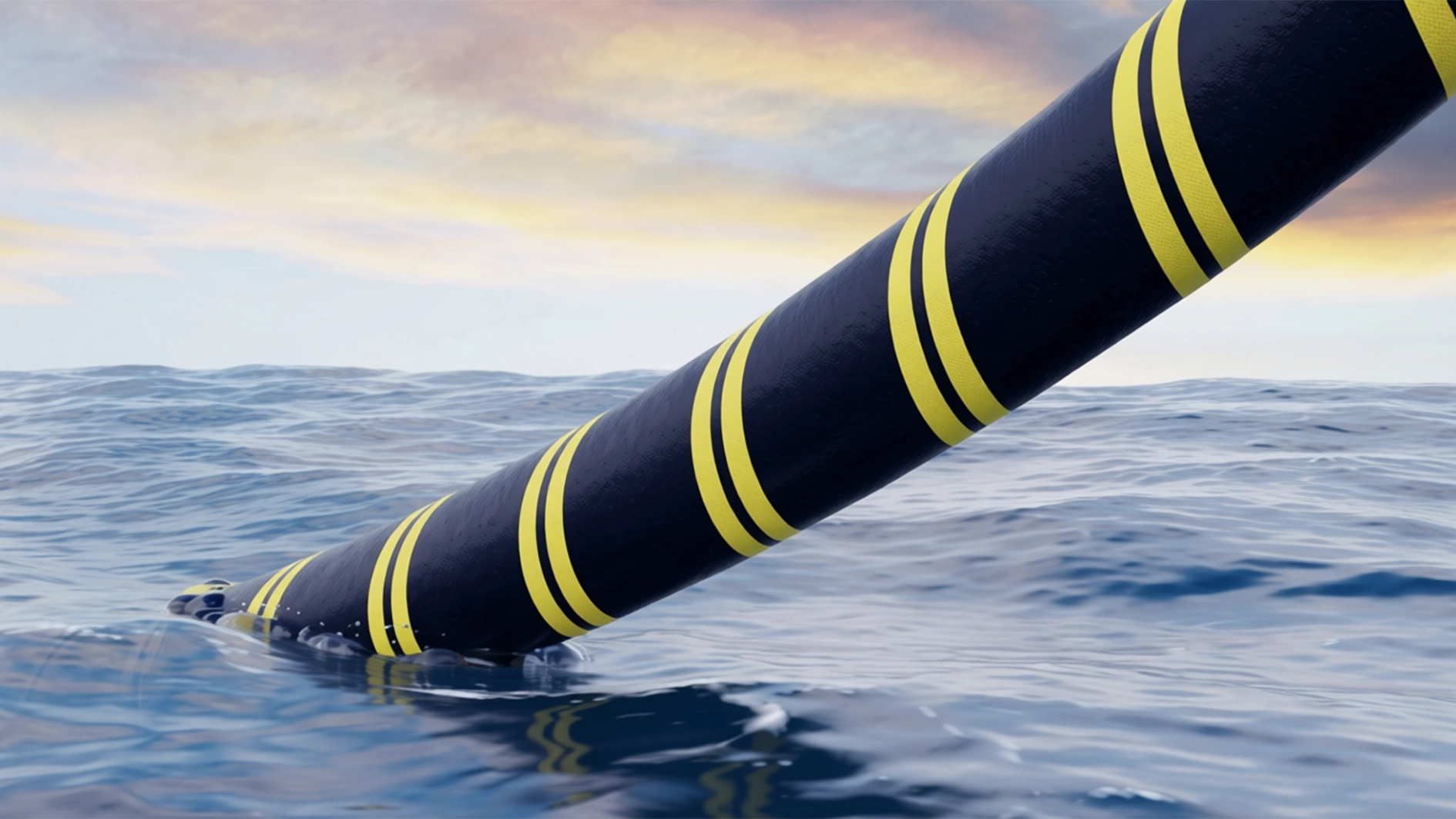
Over 80 per cent of faults suffered by the global submarine cable system are traced to fishing and anchoring.
According to the International Telecommunications Union (ITU), the remaining faults, affecting the 1.7 million kilometres cable system, are caused by natural hazards such as earthquakes, storms, powerful currents along the seafloor or equipment failure.
While the vital infrastructure carries over 99 per cent of international data traffic, cable faults pose a risk of service interruptions, slower connectivity and, in some cases, economic disruption, especially in countries that are dependent on a single-cable landing point.
Checks by The Guardian showed that Nigeria serves as a landing point for eight major submarine telecommunications cables, which carry over 95 per cent of the country’s international Internet and communication traffic.
The eight cables that land in Nigeria, primarily in Lagos but now also in other states, are MainOne Cable, SAT-3/WASC (Owned by Natcom/ntel), GLO-1 (Globacom’s cable), GLO-2 (Globacom’s domestic coastal cable), Africa Coast to Europe Cable System (ACE), West Africa Cable System (WACS) (MTN is a major partner), Equiano (Google’s cable) and 2Africa (Meta-led consortium, the world’s largest).
In a Blogpost, the ITU Deputy Secretary-General, Tomas Lamanauskas, and International Cable Protection Committee (ICPC) Chair, Dean Veverka, said hundreds of commercial submarine cables, now extending more than 1.7 million kilometres around the globe, support digital connectivity for countries, communities, businesses and people on every continent.

According to them, the digital linkages can be vulnerable, but countries and companies are stepping up cooperation to enhance the resilience of submarine cables as the backbone of global digital communications.
They said both the ITU and the ICPC are working together to strengthen this critical digital infrastructure.
Noting that the International Advisory Body for Submarine Cable Resilience was established in 2024 to provide a mechanism for cooperation, led by Nigeria and Portugal, it brings 42 members from governments, operators, the cable industry, and other sectors together.
The focus, according to them, is strictly practical: to help strengthen cable protection and resilience, improve deployment and repair times, identify and mitigate risks, enhance redundancy, and share best practices for the whole world’s benefit.
The post, which came ahead of the just concluded International Submarine Cable Resilience Summit in Porto, Portugal, from February 1 to 2, the experts noted that the first summit, held in Abuja, Nigeria, in early 2025, highlighted the value of working across borders and created an important new arena for these discussions.
In an X post, yesterday after the Portugal meeting, Nigeria’s Minister of Communications, Innovation and Digital Economy, Dr Bosun Tijani, who co-Chaired the meeting, noted that as more sectors of global economies online, submarine cables, which carry over 99 per cent of global Internet date, are now strategic infrastructure and
“our collective responsibility is to ensure this infrastructure is resilient, secure, and future-facing.”
He submitted that the recommendations adopted from the IAB Working Groups provide a practical roadmap to reduce disruptions and safeguard the continuity of global digital connectivity across regions.
On her part, ITU Secretary-General, Doreen Bogdan-Martin, said 2026 is a year of resilience, stressing that submarine cables are Critical National Information Infrastructure (CNII), which should be protected across the board.
Further to the Blogpost, it was revealed that over the past decade, the length of submarine cables worldwide has increased by more than 70 per cent.
While the total length continues to increase, the number of cable faults remains relatively static. However, in some regions, the time needed to commence each cable repair has increased.
According to them, one reason is regulatory barriers or permitting requirements, which often slow down the arrival of repair vessels to address a breakage. Some of the Advisory Body’s work has focused on the encouragement of streamlined regulation and operational rights for vessels of different nationalities.
In addition, the availability of repair vessels is limited in some regions, which can leave operators exposed to long delays when faults occur. For example, Tonga’s week-long isolation following a cable break in 2024, the latest of three major breaks in five years, was another demonstration of how a single point of failure can sever a nation’s digital lifeline.
They claimed that the Red Sea, a key route for submarine cables, remains a risk zone for multiple regions and markets. Cable ships face complex access constraints, forcing operators to reroute traffic.
“Yet global demand for artificial intelligence (AI), cloud services, and advanced industrial applications continues driving up digital traffic across all major routes. Enhancing the resilience of submarine cables is imperative in today’s interconnected world,” they stated.
They submitted that these pressures explain why cooperation has deepened among governments, operators, and international organisations over the past year.

