 Follow Us on Google News
 Follow Us on Google Discover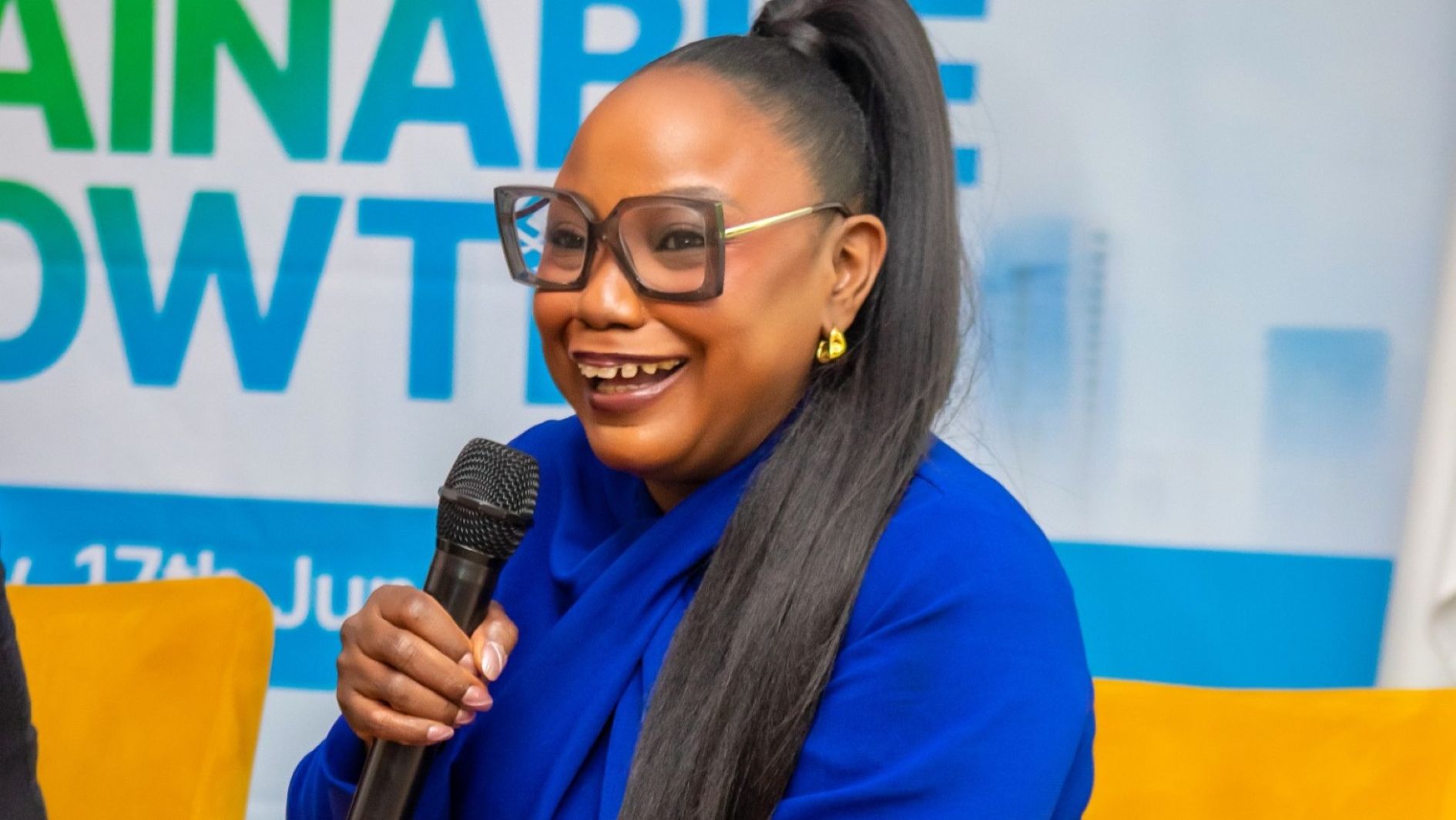
Bolaji Sofoluwe is the Managing Director of ETK Group, a company with operations in 34 countries. In an interview with ABIGAIL IKHAGHU during the launch of Momentum, a market intervention platform, in partnership with the British High Commission, she speaks about business sustainability and how Momentum is intended to support Nigerian businesses in building structure and governance to outlive their founders.
What is the initiative meant to address and what value is it going to create?
Thousands of seminars, summits and training are held in Nigeria and other African economies yearly. Consultants after consultants are engaged and paid. But what changes are they actually making in the organisations that pay? Can we track the changes they make so that maybe we can decide whether we need another workshop or training in a particular area? And that is exactly what Momentum does.
Momentum is able to track the changes qualitatively and quantitatively so that you can actually focus and target the impact that you are trying to make in those organisations to its maximum capacity.
Companies make so much investment in training and consultants. But most of the time, they are spending on the wrong things. The platform is meant to track and measure the investments and seek to answer a fundamental question: what has changed.
Sustainability is vague. How do you intend to measure it?

Momentum is essentially designed for organisations that want to start intentionally tracking the changes. We can’t really do much about what happened in the past, but we can change the way we look at technical assistance for the future.
How exactly are we designing those technical assistance programmes? And how exactly are we tracking the change that they are making?
That can start from any point in time and we are starting now.
ETK has been doing this on some of our programmes in Nigeria. And we have started to see the changes that take place in the organisations. And we have started to see how it improves their opportunities to get more funding or access to international markets. Some are beginning to see higher productivity, scaling up and employing people. Sharing knowledge with other organisations within their ecosystems is really important to us.
Do you have specific focal points?
We have seven functional areas that we are tracking, but organisations can tell us where their priorities are. We track governance and leadership.
We track finance management, HR and people management, climate resilience, which not many organisations are tracking. We always think climate resilience is something to discuss at COP. But actually, it is affecting us now.
Sometimes you are going out to do an event, or you are going to meet a client and suddenly there is flooding that causes a delay. That is an effect of climate change.
How is your business going to adapt to that?
It is all of those things that we are tracking.
One of our projects involves one million farmers in 10 states. We are tracking where they are, where they are located and what the inherent risks they face – flood, drought, or heat wave. Those are the risks that will directly affect their yields and their incomes.
But if they know the risk in advance, they can actually make some changes to adapt so that that particular climate event does not affect their livelihoods. That is the idea behind it. It is not just about knowing about climate change but also about how we can adapt.
It is also about knowing how the risks affect those individual businesses and the changes that they can make to prevent themselves from going out of business entirely. Nigerian companies are a bit slow to adapt.
What we want to see in Nigeria are businesses that can last for generations. What is the difference between a Guinness and a local company?
The difference is that a Guinness is intentional about its internal structures. Mr Guinness, who founded Guinness in Ireland many centuries ago, died a long time ago, but the business continues to flourish.
It is not because Guinness was better than some of our local founder entrepreneurs. The difference is in governance and structures. We need to create these structures within the business. And we need to be able to track it.
About $8 billion is spent on technical assistance across Africa yearly. There are cases where an organisation receives a grant from more than one source for the same need. Who tracks this?
Why are you launching in Lagos?
Apart from the fact that this is my home as founder of ETK, it is also where we have some existing clients with whom we are actually running the programmes. And it has always been a starting point for us. In 2013, we launched ETK Africa in Lagos. And since then, we have done projects in 34 countries.
And this is the hub of businesses in Nigeria and Africa. Absolutely, Lagos is a great launch pad. Everybody knows it.

