 Follow Us on Google News
 Follow Us on Google Discover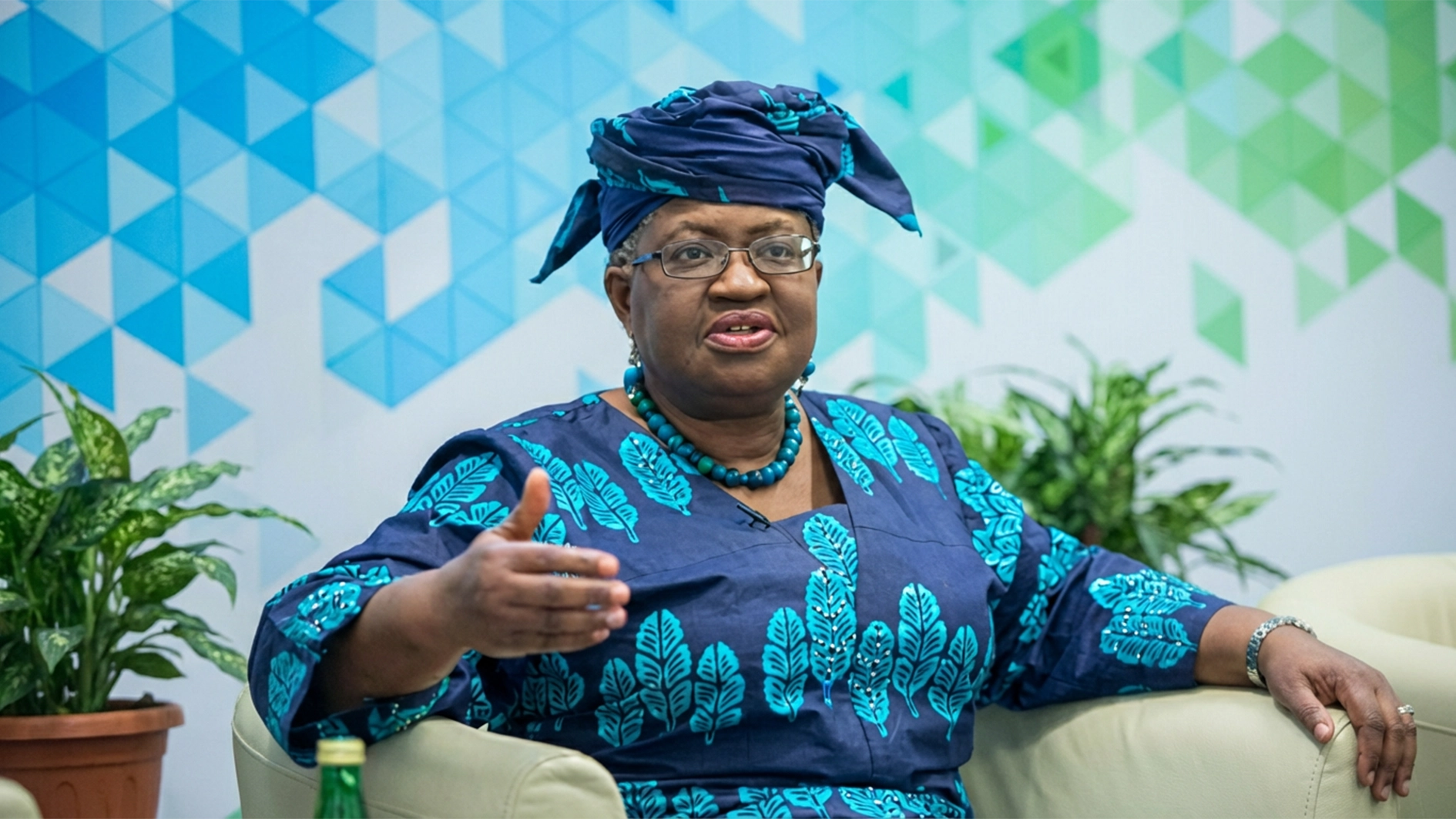
Major investment in the cotton, textiles and garments (CTG) sector can help to transform economic development in Nigeria and West Africa, stakeholders at the just-concluded WTO’s 14th Ministerial Conference have said.
The high-level conference, which brought together ministers, heads of international agencies, development finance institutions , and private sector partners, highlighted the opportunities for Africa to move up the value chain.
Cotton is a major cash crop primarily grown in northern Nigeria and a key component of the CTG sector. But it has faced significant challenges over the years, including neglect, poor infrastructure, insecurity, and stiff competition from cheaper or smuggled polyester fabrics.
The conference marked the launch of a new phase under the Partenariat pour le Coton (PPC) initiative, with a focus on mobilising investment to accelerate the transformation of the cotton-to-textile-and-garment value chain.
Around 98 per cent of Nigeria and the West African region’s cotton is exported as raw fibre, although the region has the potential to position itself as a gateway for processing and transforming it into textiles and garments.
“We are on the cusp of creating a modern textiles and garment industry across West and Central Africa,” said WTO Director-General Ngozi Okonjo-Iweala.

According to her, a $5 billion investment and capacity-building support could generate around 500,000 direct jobs, including textile manufacturing, transportation, and even fashion design, with women and youth among those set to benefit.
The initiative, which builds on the leadership of the “C-4+” group of countries, aims to position the region as a gateway for cotton processing and industrial development.
At the event, PPC partners also launched the Africa Textile Invest platform, a new tool to support investors by providing a single access point to information on country data, industrial zones and a pipeline of investment opportunities.
Managing Director of the United Nations Industrial Development Organisation (UNIDO), Gunther Berger, reaffirmed the agency’s commitment to support the development of industrial capacities across the CTG value chain, stressing that industrial development is the bridge that connects natural resources to global markets.
Executive Director, International Trade Centre (ITC), Pamela Coke-Hamilton, noted that the future of African cotton lies solely in value addition while Dr. George Elombi, President and Chairman, Afreximbank, said that African cotton will be an engine of growth, with the bank providing the investment power. “Within 15 to 20 years, Africa will be out of the cotton export business and fully in to exports of textiles and clothing, ensuring more money stays improving lives and livelihoods across the continent,” he pledged.

