 Follow Us on Google News


 Follow Us on Google Discover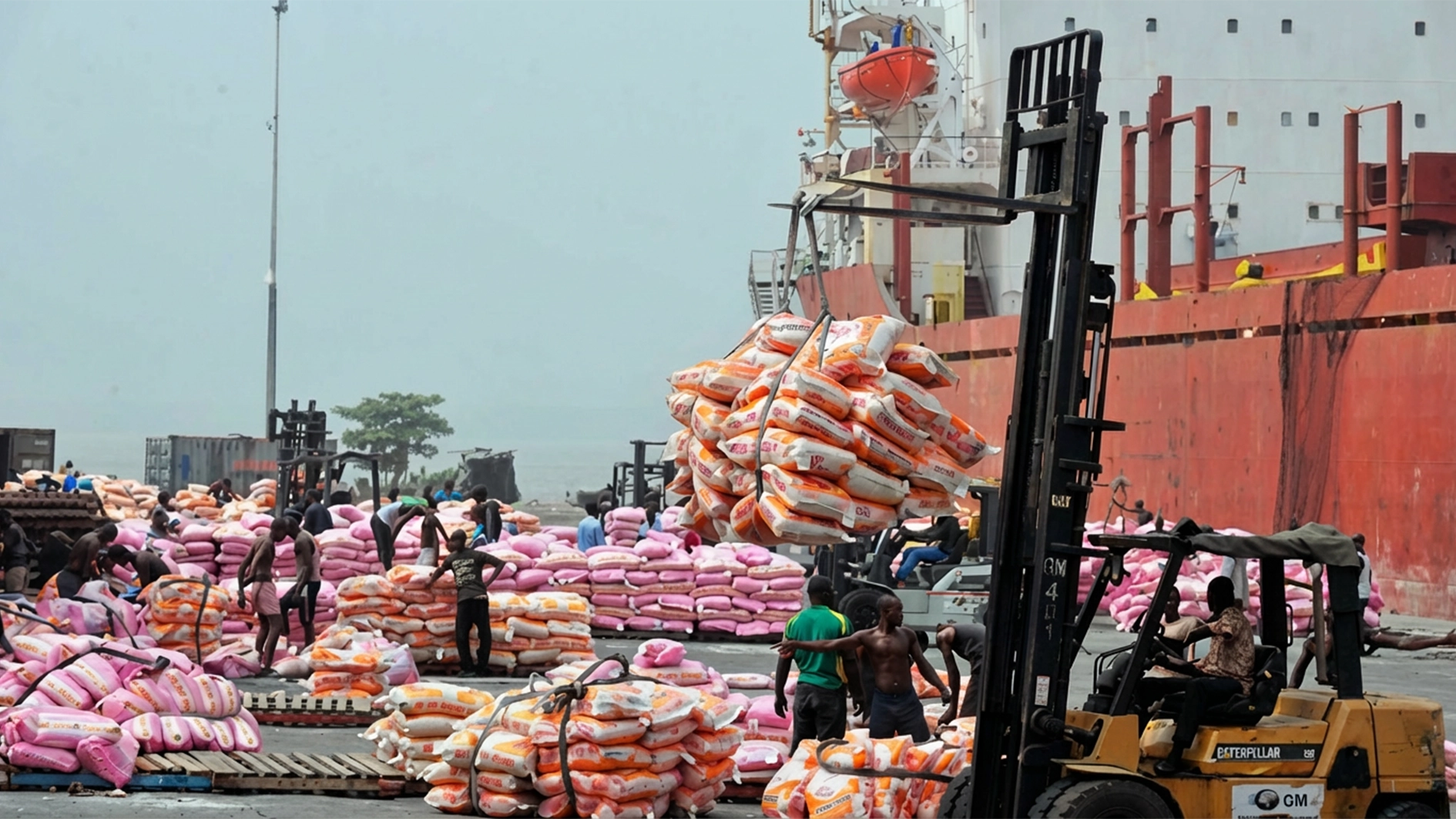
Special Adviser to the President on Economic Affairs, Dr Tope Fasua, said that Nigeria entered 2026 on a firmer economic footing, with improving FX stability, stronger external reserves and easing inflation.
Speaking at the Lagos Chamber of Commerce and Industry (LCCI) 2026 Economic Outlook conference in Lagos, Fasua said the country was beginning to see the impact of two years of difficult reforms, noting that macroeconomic indicators now point to a more stable and growth-oriented economy.
He said the naira had shown resilience over the past year, strengthening from earlier lows and supported by improved foreign reserves, adding that the Central Bank of Nigeria’s (CBN) efforts are beginning to restore confidence in the FX market.
“The exchange rate has performed better than many expected, while reserves are improving. We are on course to close the year with stronger buffers,” he said.
He added that Nigeria’s economic growth outlook for 2026 was encouraging, with projections of between six and eight per cent, supported by better fiscal coordination, stronger trade performance and improved revenue mobilisation. According to him, inflation, though still elevated, is gradually easing and could trend toward single digits if current policies are sustained.
Fasua said lessons from previous fiscal cycles had shaped government thinking, noting that the current budget framework and the National Development Plan were designed to improve efficiency, transparency and long-term planning.

On fiscal reforms, he said the new tax framework was aimed at fairness and efficiency rather than burdening citizens. According to him, workers earning N20 million or less annually should benefit from improved take-home pay, while the broader objective is to expand the tax net through better documentation and compliance.
“The goal is not to punish people but to formalise the economy. When more people are captured in the system, the government can plan better and reduce pressure on those already paying,” he said.
Fasua also said Nigeria’s debt profile remained within manageable limits, with a debt-to-GDP ratio of around 40 per cent, stressing that borrowing must be tied to productivity and growth. He noted that several states had reduced their debt exposure and were now financing budgets largely from internal revenues.
He pointed to improved trade performance as another sign of recovery, saying exports were now consistently exceeding imports, driven largely by non-oil sectors. According to him, manufacturing and agro-based exports are gaining traction, while reduced import dependence has strengthened the external balance.
“According to available data, our trade surplus is improving and non-oil exports are rising. This shows that diversification is no longer a slogan but something that is gradually taking root,” he said.
He added that agriculture and services were playing increasing roles in stabilising the economy, with mechanisation efforts, access to finance and rising domestic production helping to ease food inflation. Fasua said government support for agriculture, including tractor deployment and financing through development institutions, was beginning to yield results.
On the broader outlook, he said Nigeria must consolidate gains made so far by maintaining fiscal discipline, strengthening trade competitiveness and ensuring transparent implementation of tax reforms. He stressed that the economy would perform better if reforms were allowed to mature without policy reversals.
LCCI Director-General, Dr Chinyere Almona, said the 2026 outlook reflected the early gains of reforms implemented over the past two years. She noted that although businesses had faced rising costs, conditions were gradually improving.
According to her, regulatory reforms and stronger engagement between the government and the private sector would be critical in easing the cost of doing business. She said improved dialogue with regulators would help businesses adapt to policy changes and reduce uncertainty.
On trade facilitation, Almona said progress was being made on the national single window (NSW) system, although full implementation was still underway. She added that continued stakeholder engagement would be necessary to ensure its success.

