 Follow Us on Google News


 Follow Us on Google Discover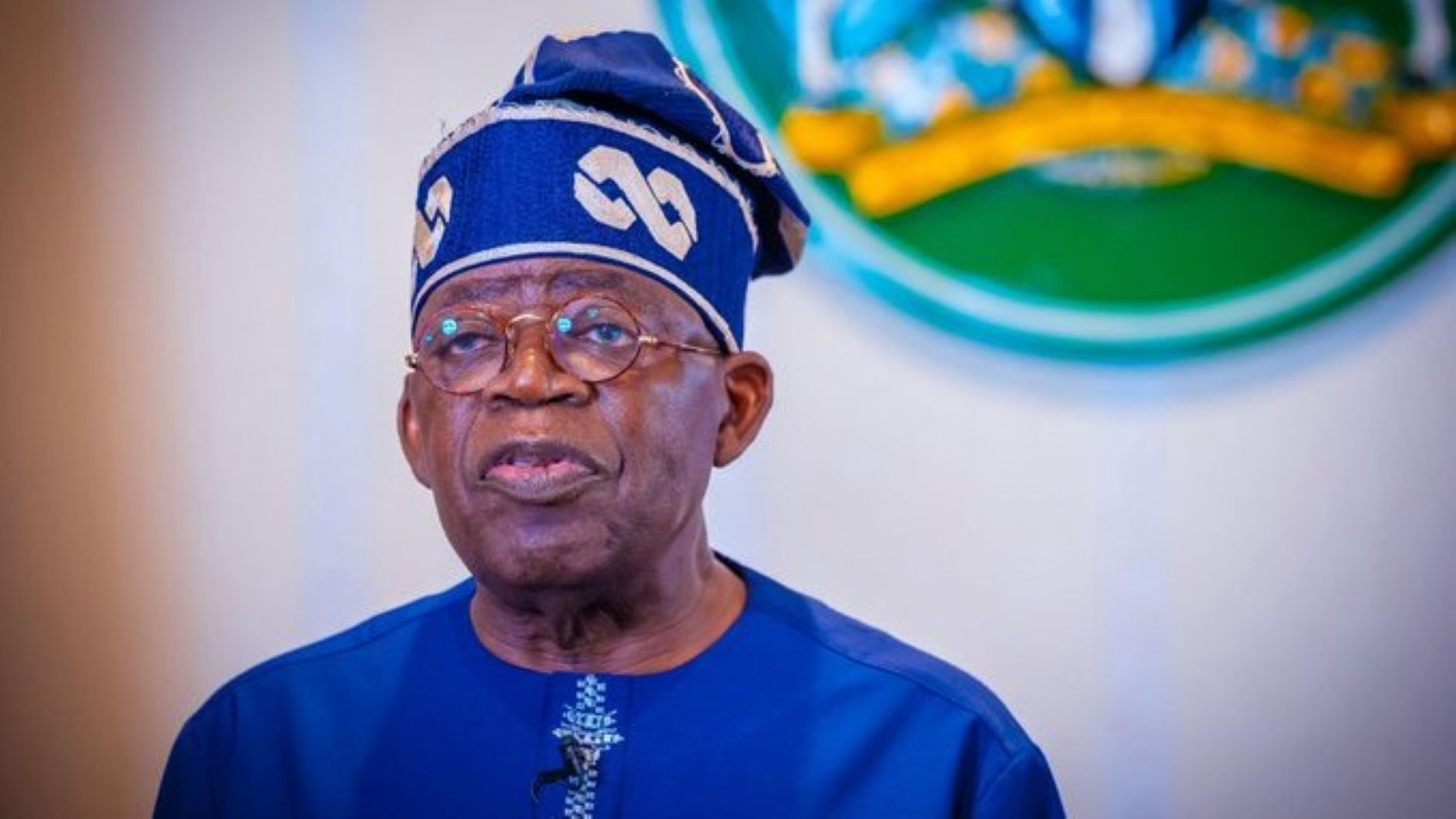
President Bola Ahmed Tinubu has called on the African Export-Import Bank (Afreximbank) to intensify efforts to mobilise and deploy Africa’s vast human, financial and natural resources to accelerate the continent’s industrialisation and economic transformation.
He made this call while receiving a delegation from the bank led by its President and Chairman of the Board, Dr George Elombi, at the State House in Abuja.
Tinubu stressed that Africa’s industrialisation can no longer remain a subject of theoretical discussions, insisting that the continent must take practical steps toward economic growth through value addition, expanded trade, job creation and industrial development.
According to Tinubu, Africa possesses enormous economic potential, but sustainable development will only be achieved through structured financial support and reliable infrastructure.
“The conscience and the future of Africa depend on what you and your team can do and will do for Africa as a whole, and the time has come for us to start doing things together as Africans. We have what it takes to build this continent. Do we continue to exploit and export raw materials without value addition? We have solid mineral deposits such as lithium and others that can be used, and you, as the financial partner, should be able to come with investment guarantees for the production and value addition in batteries and other manufacturing ecosystems,” he said.
Tinubu also highlighted his administration’s efforts to transform the longstanding farmer-herder conflict into an economic opportunity by establishing the Federal Ministry of Livestock Development.

The President urged the bank to strengthen collaboration with the Bank of Agriculture by increasing investments in agricultural production, particularly in cocoa, palm kernel and palm oil, while supporting value chains that deliver lasting economic benefits.
Minister of State for Industry, John Owan Enoh, outlined the administration’s economic diversification agenda.
According to Enoh, the President’s commitment to industrialisation through the development of the solid minerals sector, oil and gas, manufacturing, agriculture, the digital economy, and value-added exports is laying the foundation for a more resilient economy less dependent on crude oil revenues.
Elombi disclosed that Afreximbank currently has investments spanning trade, agricultural processing, value chains and healthcare across Nigeria.
He added that the bank has invested about $20 billion in the Nigerian economy over the past five years, particularly as part of efforts to reverse medical tourism within Africa.
He further announced that the bank has committed $2 billion to support Nigeria’s cotton, textile and garment (CTG) industry.
Emphasising the importance of industrial production as the foundation of economic prosperity, Elombi said, “We can only trade what we produce. We also know that this production is what will create the wealth, not the handouts that we get from outside.”

