 Follow Us on Google News


 Follow Us on Google Discover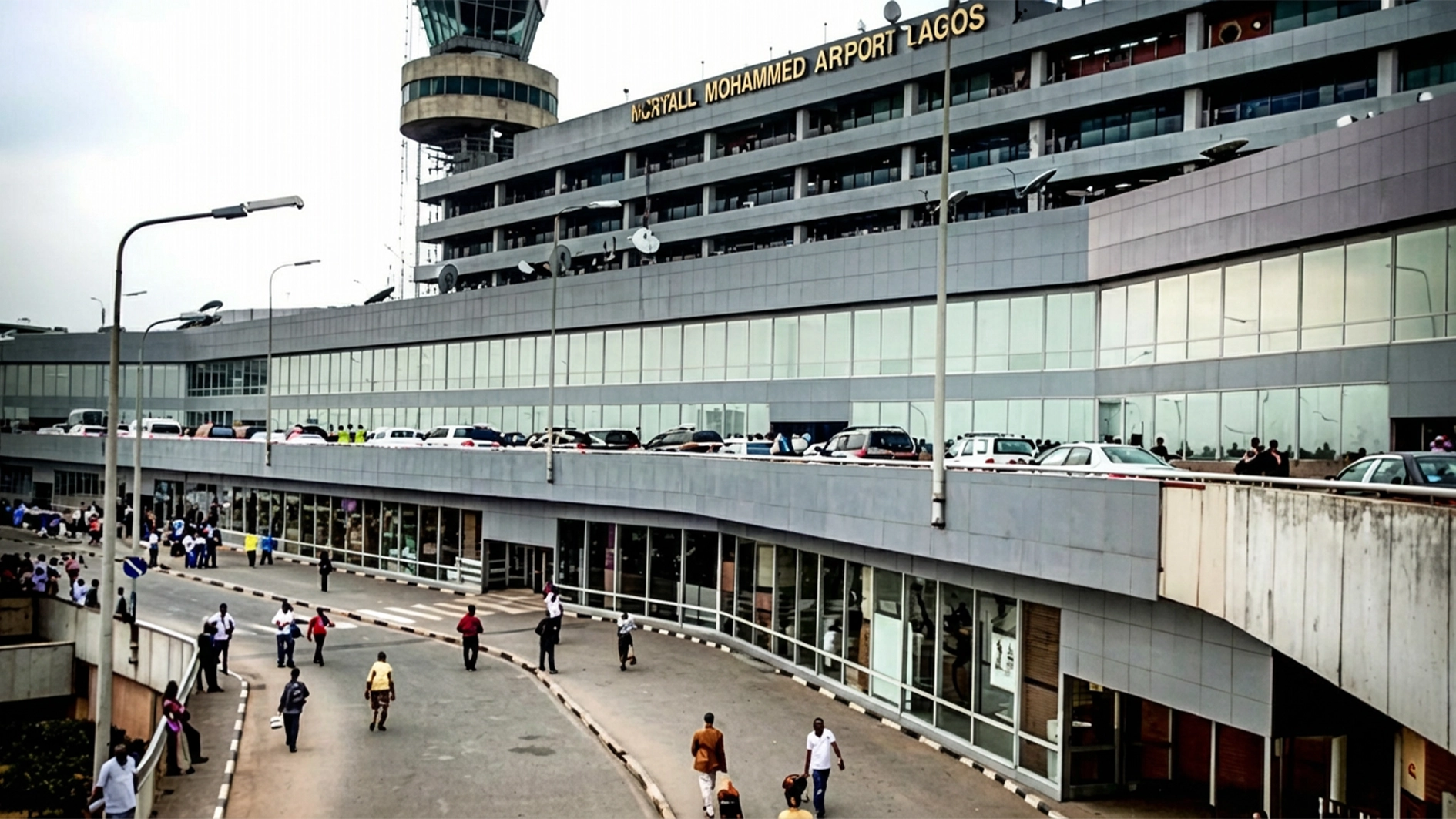
A former Commandant of the Murtala Muhammed International Airport (MMIA), Lagos, John Ojikutu, has warned that the introduction of new charges by the Federal Airports Authority of Nigeria (FAAN) could further cause a strain on operators within the country’s aviation sector.
He specifically said that irrational and unnecessary levies by FAAN may shorten the lifespan of many aviation companies.
Speaking with The Guardian in Lagos, Ojikutu posited that before imposing additional charges, FAAN must critically assess its current revenue earnings from passenger traffic, flight operations and cargo movements across the country’s 22 airports under the control of the agency.
Ojikutu argued that based on the 2024 traffic figures alone, revenue generated from Passenger Service Charges (PSC), aircraft landing and parking fees should not be less than N400 billion annually.
He noted that this estimate excluded substantial income from cargo terminal operators, car parks and toll gates, shuttle services, land rentals for hangars and offices, as well as airport shopping malls and other non-aeronautical services.
He added: “Unless all these are factored rationally into FAAN earnings before new charges are introduced, unnecessary and irrational charges will be shortening the lifespans of many aviation operators.

“Secondly, most of the earnings are not used on the critical services in airports, especially the perimeter/security fences. The FAAN management, since 2004, has not been able to separate the security fence from the perimeter fences, as the International Civil Aviation Organisation (ICAO) did indicate in its 2004 audit report.
“There are no regular checks or reviews on the background checks on the airport staff, particularly those working in the airport’s security control areas and especially the staff of government security agencies working in the airports.”
Ojikutu, however, recommended structural reforms within the aviation sector, proposing that FAAN should concession its non-aeronautical services in line with the Privatisation, Commercialisation and Concession Act of 2000 to block revenue leakages and enhance efficiency.
The aviation expert also suggested that runways, taxiways and associated landing aids be transferred to the Nigerian Airspace Management Agency (NAMA), while airport security operations should be excised into an autonomous government security agency dedicated solely to aviation security.
He further opined that FAAN be restructured and renamed the Federal Airports Management Agency (FAMA), serving as a holding company for concessioned airports, rather than operating as an “authority” that may create regulatory overlaps with the Nigeria Civil Aviation Authority (NCAA).
Besides, Ojikutu queried the recent capital expenditure figures in the sector, citing the reported N712 billion earmarked for the reconstruction of the Murtala Muhammed International Airport (MMIA) Terminal One, Lagos and the N535 billion for the Abuja airport second runway projects.
He recalled that the Abuja airport runway was previously estimated at N64 billion in 2007 and N85 billion in 2022, questioning the significant cost escalation.
He described these capital expenditures as not just “a complete waste, but fraudulent spending.”
He maintained that concessioning airport terminals to private operators could reduce government spending and improve efficiency in the sector.
He further urged stakeholders and policymakers to adopt reforms that would safeguard the industry for future generations, rather than impose additional burdens on already struggling operators.
FAAN had recently increased the cargo tariff from N7 per kg to N20 per kg, but on Monday, dropped to N15 per kg after protests from cargo clearing agents.

