 Follow Us on Google News
 Follow Us on Google Discover
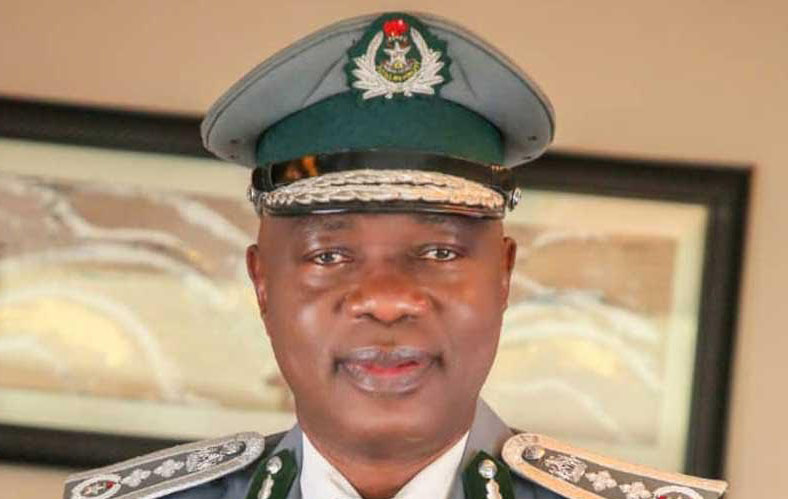
The Comptroller General of the Nigeria Customs Service (NCS), Bashir Adeniyi, has outlined key priorities in the year, including the operationalisation of the Nigeria Customs Service University for Trade and Technology, the full deployment of trade modernisation initiatives and the nationwide rollout of the B’Odogwu platform.
[ad]
Adeniyi also emphasised the integration of artificial intelligence into risk management processes to streamline operations, improve accuracy, and mitigate security risks.
Also, he highlighted the expansion of geospatial surveillance capabilities and the enhancement of data analytics for improved decision-making. Giving the NCS 2025 outlook in Abuja recently, Adeniyi stated that the new university would advance human capital development and foster innovation within the sector.
The Comptroller General revealed that the B’Odogwu platform, an indigenously developed cargo clearance solution, processed transactions worth N31 billion in revenue during the fourth quarter of 2024.
Developed under the Trade Modernization Project (TMP) and tested at the Ports and Terminal Multiservices Ltd (PTML) command at Tin Can Island Port, Lagos, Adeniyi said the platform is gradually enhancing the Customs Service’s operational efficiency and ensuring smoother trade facilitation.
Adeniyi also announced the full implementation of the Authorised Economic Operator (AEO) Programme in the first quarter of 2025. He said the AEO Programme, which has significantly improved cargo clearance times, has seen AEO-certified companies achieve an average clearance time of 43 hours, surpassing the target of 48 hours.
Adeniyi said this represents a 66.9 per cent reduction in clearance time compared to pre-AEO levels, where clearance typically took five days.
In comparison, regular Economic Operators (EOs) require an average of seven days for clearance. Additionally, the Customs boss disclosed that the Time Release Study has been concluded, and the report is under review, with a scheduled release before the second quarter of 2025.
Adeniyi also emphasised the prioritisation of several initiatives for 2025, including the full operationalisation of the new Customs Corporate Headquarters, the deployment of additional scanning systems at key ports and the launch of a comprehensive Corporate Social Responsibility (CSR) programme.
According to him, the CSR programme, aligned with President Bola Ahmed Tinubu’s Presidential Priority Areas and the United Nations Sustainable Development Goals (SDGs), will focus on measurable community interventions that address both national priorities and local needs, while promoting global sustainability.
[ad]
“Our modernisation agenda will continue to emphasize digital transformation and process automation. These technological advancements will be complemented by continued investments in human capital development and infrastructure improvement,” Adeniyi said.
In support of open governance, Adeniyi pledged to enhance public access to Customs information and processes, ensuring greater transparency and fostering stakeholder engagement.
With a strong focus on modernisation, sustainability and transparency, Adeniyi expressed confidence that the NCS would play a pivotal role in Nigeria’s economic growth and integration into the global trading system under the African Continental Free Trade Area (AfCFTA) framework.
He said these initiatives are expected to significantly enhance NCS operational capabilities and service delivery, positioning it as a leader in trade facilitation and customs enforcement across Africa.
Adeniyi reaffirmed the NCS’s commitment to facilitating legitimate trade and safeguarding Nigeria’s economic interests, emphasising that the future of customs enforcement lies in technological innovation, capacity building and strategic partnerships.
[ad]

