 Follow Us on Google News


 Follow Us on Google Discover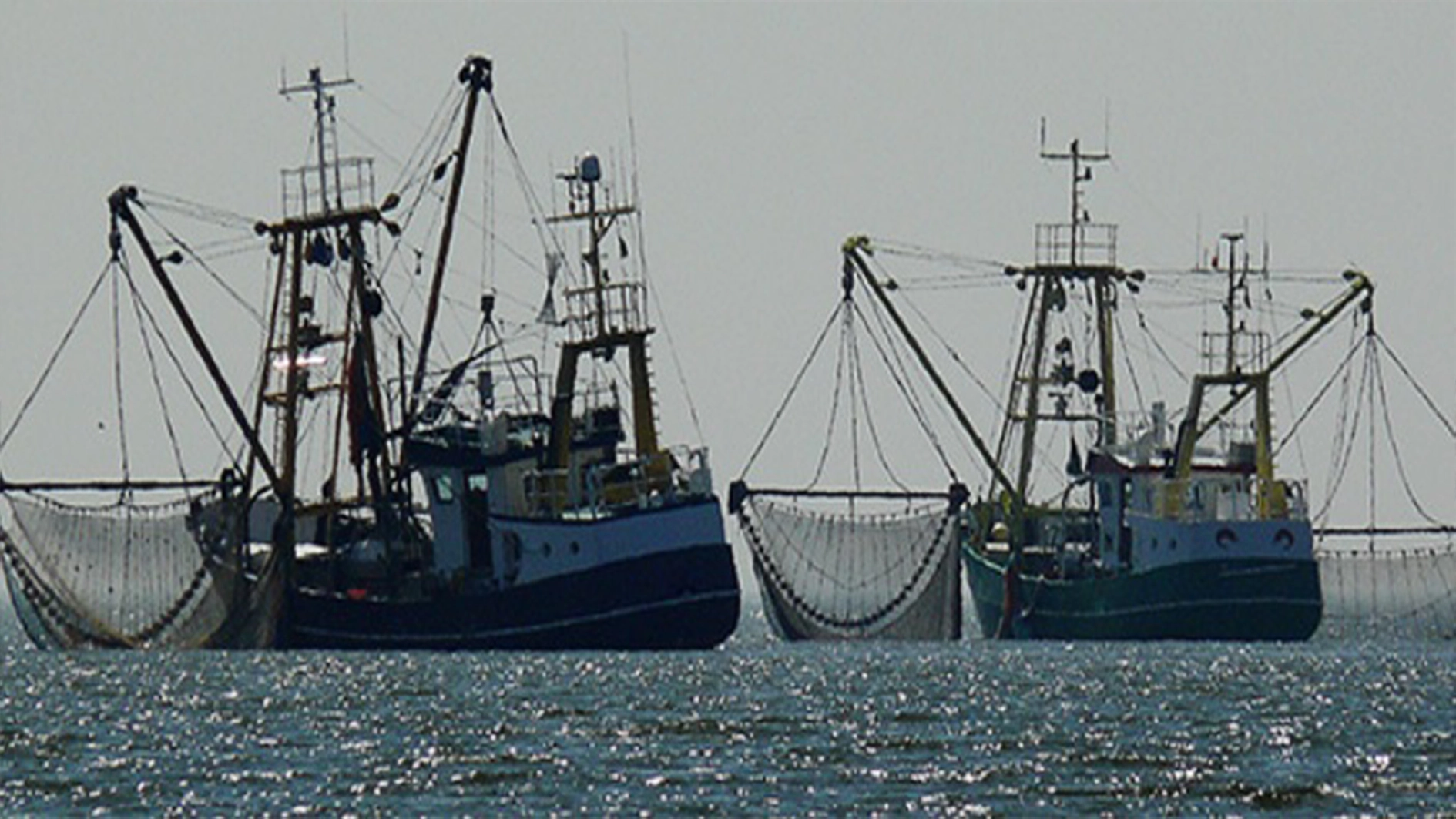
Members of the Nigerian Trawlers Owners Association (NITOA) and the Fisheries Cooperatives Federation of Nigeria have solicited immediate government intervention in their operational costs, as over 80 per cent of their vessels are currently grounded, with about 10,000 jobs at risk.
A visit to Ijora Fish Market revealed a sharp decline in the volume of fish supplied by Nigerian trawlers, resulting in scarcity of the commodity due to the sharp rise in fuel prices.
The development has also triggered a sharp increase in the prices of available fish across markets.
The National Executive Secretary of the Fisheries Cooperatives Federation of Nigeria, Oladele Robinson, said both the artisanal and industrial segments of the sector are being adversely affected by the rising cost of diesel and petrol, which is impacting operators’ activities.
Robinson further explained that operators in the artisanal segment rely on Premium Motor Spirit (PMS) to power their fishing boats, while operators in the industrial sub-sector rely on diesel to power trawlers.
He stated that operators often deploy their vessels without securing sufficient catch to justify the high cost of petrol or diesel, adding that the situation has become unsustainable for continued operations.

“At times, operators go to sea but are unable to secure enough catch to justify the cost of fuel, a situation that has driven up the prices of fish and other seafood,” he said.
Sources at the NITOA office in the Kiri-Kiri area of Lagos said the cost of Automated Gas Oil (AGO), which powers fishing vessels, has surged by over 100 per cent, rendering operations largely unsustainable.
The source explained that deploying a vessel for a 50-day fishing trip under current fuel costs would result in significant financial losses.
According to the source, “What has happened is that operational costs have gone far beyond what companies can handle. That’s why operators have brought their trawlers back to the jetty rather than remain at sea and continue recording losses.
The source explained that operators used to get diesel at about N900 per litre, but today, it is between N1,800 and N2,000 per litre, well over a 100 per cent increase.
She noted that the spike in fuel prices has pushed the industry into a critical state, with operators unable to sustain vessel operations while overhead costs remain unchanged.
According to her, the implication is that trawlers cannot operate under these conditions, and that companies will go aground.
The source warned that the development poses risks to food security and could result in the loss of about 10,000 jobs across the value chain.
“If vessels are not running, where do the seafarers go? These vessels are meant to be at sea, not tied up at the harbour. Across the industry, both direct and indirect labour, close to 10,000 jobs are at risk if there is no immediate government intervention,” she stated.

