 Follow Us on Google News


 Follow Us on Google Discover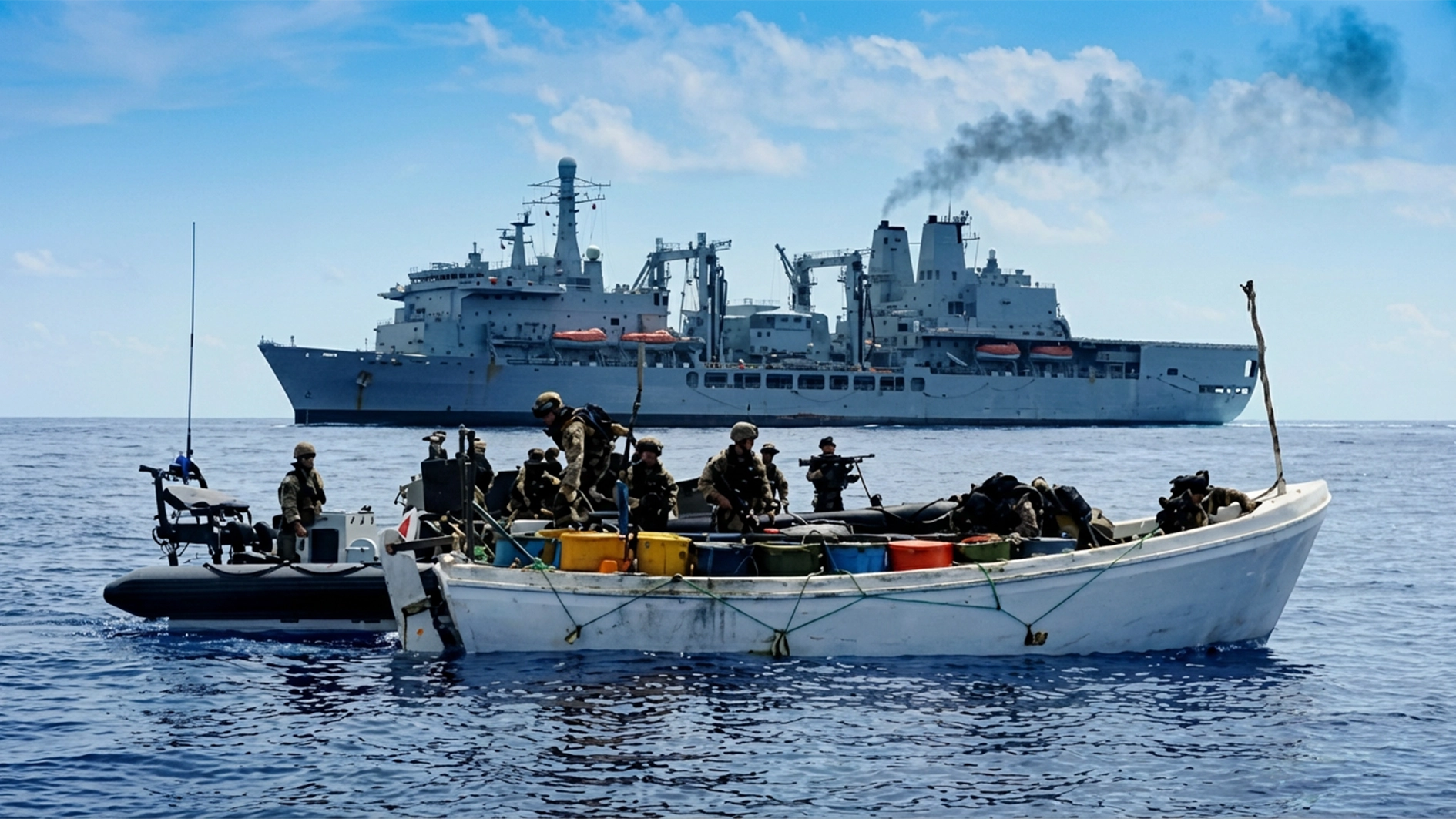
The Nigerian Maritime Law Association (NMLA) has called on the Federal Government to accelerate the ratification and domestication of outstanding international maritime treaties, stressing that laws and policies must translate into practical improvements in safety, security and efficiency across the maritime sector.
The association made the call yesterday in a statement marking the 2026 World Maritime Day, observed under the International Maritime Organization (IMO) theme, “From Policy to Practice: Powering Maritime Excellence.”
According to the NMLA, the theme, adopted by the IMO for a two-year cycle covering 2026 and 2027, underscores the need for governments to move beyond negotiating and ratifying maritime treaties to their effective implementation and enforcement.
The association said the true measure of maritime excellence should be seen in safer voyages, better protection for seafarers, cleaner waters, efficient cargo movement and greater confidence in the enforcement of maritime rights.
It noted that the global maritime industry was facing growing demands in the areas of safety, security, decarbonisation and technological development, which required more than the adoption of international standards.
The NMLA said governments must fulfil their obligations, maritime administrations must have the capacity to enforce regulations, while industry operators must invest in people, vessels and systems necessary for compliance.

It also stressed that the transition to cleaner shipping should take into account the financing and infrastructure challenges confronting developing maritime nations.
The association quoted IMO Secretary-General, Arsenio Dominguez, as saying that regulations could only deliver safer, more resilient and cleaner shipping when they were effectively implemented, with seafarers remaining the ultimate beneficiaries.
It added that the global shipping industry was operating in a difficult security environment, with merchant vessels coming under attack in conflict zones, including the Strait of Hormuz, the Black Sea and the Sea of Azov, resulting in casualties among seafarers and disruptions to critical supply chains.
Against this backdrop, the NMLA said the IMO’s emphasis on translating conventions, codes and guidelines into national laws, supported by strong enforcement and daily operational practice, was particularly relevant.
The association also noted that Nigeria’s membership of the IMO Council for the 2026–2027 biennium presented an opportunity for the country to contribute to global maritime policymaking while strengthening leadership and implementation at home.
It said Nigeria’s international voice would have greater impact if signed or ratified maritime treaties were promptly domesticated and effectively implemented and monitored by relevant institutions.
The NMLA President, Mike Igbokwe, SAN, said sound maritime regulation depended on legal certainty, adding that clear, up-to-date and fairly enforced laws would strengthen confidence among shipowners, charterers, cargo interests, financiers, seafarers and insurers.
According to him, disputes are inevitable in maritime transportation, but their timely and fair resolution through efficient courts and credible arbitration is essential to a functioning maritime economy because of the sector’s capital-intensive nature.
Igbokwe said Nigeria had developed a significant body of maritime laws and policies over the years, citing the Nigerian Ports Authority Act, Cabotage Act 2003, Merchant Shipping Act 2007, Suppression of Piracy and Other Maritime Offences (SPOMO) Act 2019 and the Nigerian Ports Economic Regulatory Agency Act.
He also highlighted ongoing work by the Nigerian Maritime Administration and Safety Agency (NIMASA) on ship registration, ship finance and STCW Convention-related matters, as well as efforts by NIMASA and the Nigerian Navy to improve security in the Gulf of Guinea.
He said these initiatives, supported by the Deep Blue Project and collaboration with international partners, had contributed to a measurable decline in piracy and armed robbery at sea in Nigerian waters.
However, the NMLA urged the National Assembly to expedite the passage of pending maritime bills before the end of its tenure in May 2027.
The association said it had contributed to efforts to bridge the gap between maritime policy and practice through training programmes, including its involvement in the International Maritime Seminar for Judges, training of judges and justices on maritime law and practice in collaboration with the National Judicial Institute, as well as maritime seminars and breakfast meetings.
The NMLA called for full implementation of the Cabotage Act, including a shift from dependence on waivers towards building indigenous capacity in ship ownership, shipbuilding and tonnage.
It also called for stronger enforcement of the SPOMO Act and continued judicial capacity-building to ensure the speedy prosecution of piracy and other maritime offences.
Other recommendations included greater harmonisation of Nigerian maritime legislation with international conventions, particularly in ship registration, environmental compliance and seafarers’ welfare.
The association further advocated sustained investment in maritime dispute resolution to enable Lagos to compete with established admiralty and arbitration centres, as well as closer collaboration among the Nigerian Bar Association, Judiciary, NIMASA, the Nigerian Navy and industry stakeholders.
It urged the Federal Government, Ministry of Marine and Blue Economy and National Assembly to accelerate the ratification and domestication of outstanding international maritime treaties and adequately resource enforcement agencies.
The NMLA also called on NIMASA, the Nigerian Ports Authority, Nigerian Ports Economic Regulatory Agency, Nigerian Inland Waterways Authority, Council for the Regulation of Freight Forwarding in Nigeria and the courts to strengthen the implementation and enforcement of maritime laws.
It said progress should ultimately be measured by outcomes that maritime businesses, seafarers and the wider public could see and experience.
The association reaffirmed its commitment to maritime law reform, professional education and constructive engagement with stakeholders, stressing that the effectiveness of maritime policy should be judged by what it enables people to do safely, efficiently and responsibly in practice.
It also expressed solidarity with seafarers operating in conflict-affected waters, saying no maritime legal framework could be considered complete without adequate protection for the men and women who keep global trade moving.

