 Follow Us on Google News


 Follow Us on Google Discover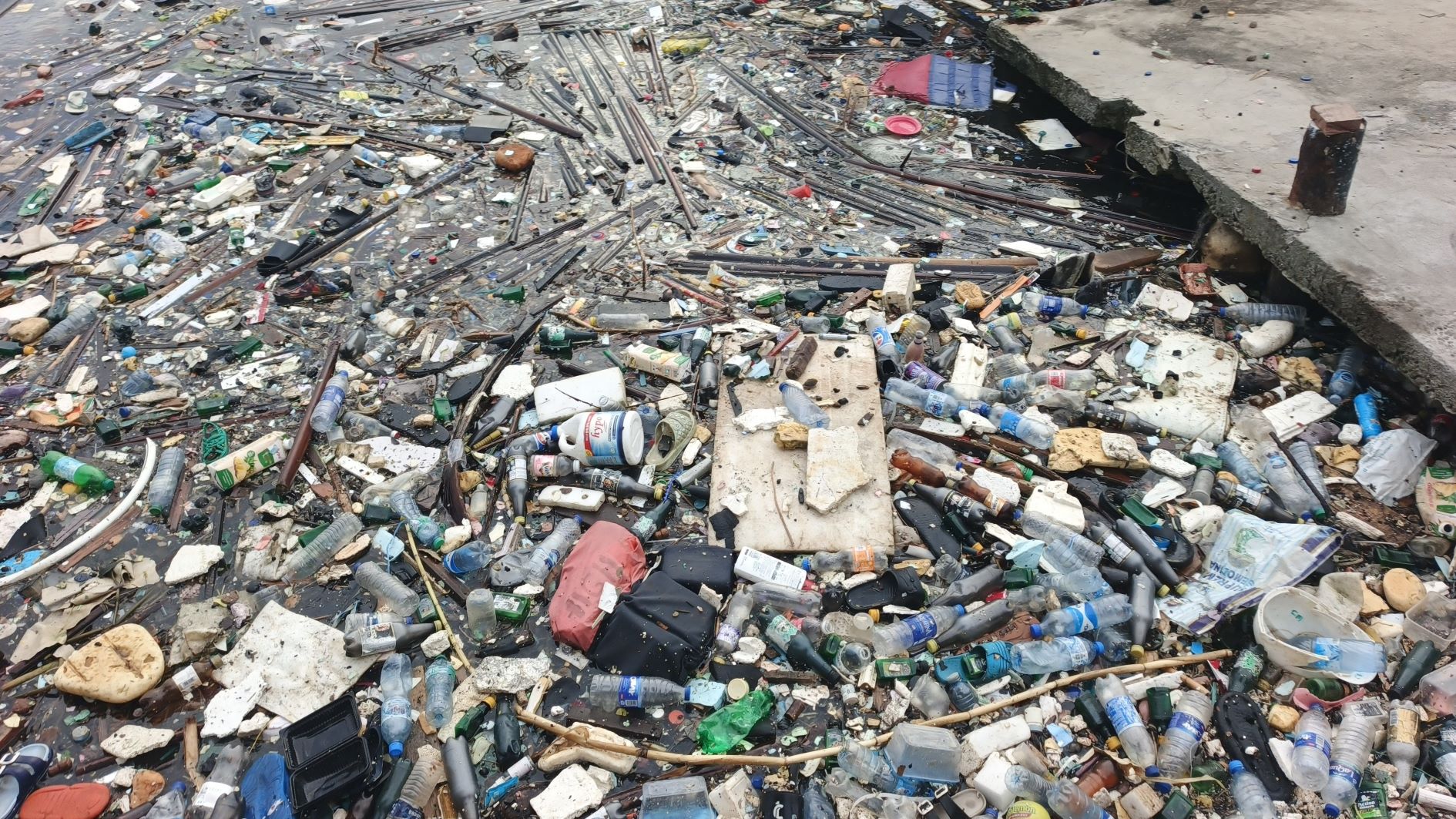
Marine litter is becoming a global concern, threatening the gains of the blue economy. With millions of tonnes of plastic waste polluting inland waterways and oceans, leaving the global economy in financial losses, private sector operators have stepped up collective efforts to curb the menace affecting maritime trade, fisheries, health and tourism, ADAKU ONYENUCHEYA reports.
From plastic bags, plates and bottles to cans, styrofoam, abandoned fishing nets, shipwrecks, household waste and industrial refuse discarded indiscriminately by individuals and companies, marine litter has become one of the most pressing environmental challenges confronting waterways globally. On Monday, the global maritime community marked World Ocean Day with attention shifting to the growing menace and its threat to the growth of the blue economy and humanity.
While the marine and blue economy sector holds immense promise for economic growth, contributing substantially to national revenue through fishing, shipping, tourism and trade, the rising tide of marine litter on the oceans, rivers, lagoons and creeks threatens to erode its gains.
World Ocean Day reflects the United Nations’ Sustainable Development Goal (SDG) 14, which calls for the conservation and sustainable use of oceans, seas and marine resources as a cornerstone of sustainable development.
Nigeria boasts of approximately 853 kilometres of coastline, serving as a means of transportation to coastal communities and supporting millions of livelihoods.
According to the World Bank, the country is among the largest generators of plastic waste. It generates an estimated over 2.5 million tonnes yearly, with only a small fraction recycled, while a significant proportion ends up in open dumpsites, drainage channels, and waterways due to poor waste management systems.

Citing global figures and concerns, the United Nations (UN) warns that 14 million tonnes of plastic end up in the oceans yearly and is projected to triple to 27 million tonnes by 2040 if not addressed, costing the global economy $13 billion yearly and threatening 817 marine species. The United Nations Environment Programme (UNEP) estimated that plastic accounts for at least 85 per cent of all marine waste.
Several factors are driving the proliferation of marine litter in Nigeria – rapid urbanisation, population growth, weak waste collection systems, inadequate recycling facilities, lack of waste disposal infrastructure leading to indiscriminate dumping of refuse by residents, poor environmental awareness and weak waste management regulations.
Across communities in Lagos state, traders and residents dump refuse on road medians, amounting to heaps of waste lined on the roads, often left uncollected by waste management companies. Sooner than expected, wind and other agents carry the debris into drainage channels.
Along the shores of beaches for recreational activities and numerous riverine communities, heaps of floating debris have become an increasingly common sight, discouraging tourists and investment.
The situation worsens during every rainy season, as residents dump waste into clogged drainage channels, while floodwaters carry large volumes of debris into creeks, lagoons, and ultimately the ocean, fueling a growing marine environmental disaster.
On the other hand, commuters often purchase products packaged in plastic while in traffic and dispose of the empty containers on the road after use.
Lagos Area Manager, National Inland Waterways Authority (NIWA), Sarat Braimah, raised the alarm over the menace of marine litter, noting that improper waste disposal on inland waters remains a serious issue that must be urgently addressed.
She explained that once plastics, cans and nylon bags are thrown directly into water bodies instead of being disposed of in trash receptacles on shore, the consequences are immediate.
According to her, floating debris chokes marine life, degrades water quality and introduces toxins into the aquatic food chain.
Hidden cost
The consumption of single-use plastics has further compounded the challenge as plastic packaging, sachet water bags, disposable food containers and shopping bags constitute a substantial portion of debris found in the waterways.
According to the UN, marine litter causes billions of dollars yearly in economic losses globally through impacts on fisheries, shipping, tourism and coastal infrastructure.
The World Economic Forum (WEF) stated that the plastic pollution damage to marine ecosystems, tourism and fishing costs the world up to $2.5 trillion yearly.
The Regional Coordinator for Africa at Prevention of Marine Litter in the Gulf of Guinea (PROTEGO), Clem Ugorji, had noted that Nigeria loses $1 billion yearly to poor waste management and marine litter.
The maritime sector, which contributes substantially to national revenue, faces operational challenges as floating debris and solid waste obstruct navigation channels, damage vessel propellers and increase maintenance costs for port authorities and shipping operators.
The debris also poses a direct threat to small watercraft, particularly high-speed passenger ferries, speedboats, canoes and water taxis, operating on the inland waterways and coastal routes, as several have capsized.
Also, inland waterways transport operators frequently struggle with marine litter getting entangled in boat engines, particularly around the propellers, leading to engine breakdowns mid-journey and exposing passengers to the risk of collisions with larger vessels navigating the waterways.
The NIWA area manager explained that floating litter is easily sucked into water intakes, where it can wrap around propeller shafts or clog engine cooling systems.
This, she said, causes sudden engine failure on the waterways, leaving small boats vulnerable to capsizing or collisions in fast-moving currents.
Marine biodiversity is also under increasing threats from debris as marine animals frequently mistake plastic materials for food, which once ingested, these materials block digestive systems, cause starvation, internal injuries and eventually death.
Fishermen report increasing instances of damaged fishing equipment, reduced catches and contamination of fishing grounds by plastic waste.
Coastal communities that rely on fishing as their occupation and food bear rising health risks associated with polluted waters.
Scientists expressed growing concerns about microplastics — tiny plastic particles formed as larger plastics break down, which enter marine food chains and eventually reach human consumers through seafood.
UNEP warns that plastic pollution now threatens food security and human health on a global scale.
Efforts to turn the tide
Recognising the growing threat, government agencies, environmental groups and private-sector organisations have initiated several efforts to combat marine pollution, including community and beach clean-up exercises and public awareness campaigns in Lagos, Rivers, Delta, Bayelsa and other coastal states.
The Federal Ministry of Marine and Blue Economy has also repeatedly emphasised the importance of protecting the country’s marine environment as part of efforts to develop a sustainable blue economy.
Some state governments have implemented some policy moves aimed at reducing plastic pollution, including initiatives targeting the eradication of styrofoam, single-use plastics and promoting sustainable waste management.
One private sector operator in the maritime sector that has intensified efforts to combat plastic pollution in the country’s waterways and address the growing volume of marine debris posing a threat to shipping operations, public health and the environment is the NLNG Shipping and Marine Services Limited (NSML).
Through the Clean Waterways Initiative (CWI) – a Corporate Social Responsibility (CSR) programme designed to combat the severe plastic and marine pollution crisis in Nigeria’s aquatic ecosystem, NSML primarily targets the waterways along the Niger Delta’s coastal communities.
The firm, through its “Triple A” strategy: Awareness, Advocacy and Action, education communities on the dangers of plastic pollution to health and local jobs, partner with key stakeholders and local governments to improve waste disposal and recycling practices as well as organise regular clean-up exercises to physically remove debris and plastics from water bodies between the NLNG Jetty in Port Harcourt and the operating terminal on Bonny Island in Rivers State.
NSML has also expanded these community and partner-based clean-up exercises to occur quarterly, with regular clean-ups taking place at the Bonny Island waterfronts
Speaking on the company’s ongoing environmental sustainability initiative, the Chief Executive Officer of NSML, Abdulkadir Ahmed, said the campaign was designed to address the increasing amount of plastic waste and other debris finding their way into rivers, creeks, and coastal waters.
Ahmed noted that meaningful progress can only be achieved through collaboration and the establishment of effective regulatory frameworks that discourage environmental abuse.
“Advocacy is about engaging government agencies and regulatory bodies so that we can have the necessary backing to take action. We are beginning to see some positive impact from these efforts, and we are not alone in this fight because plastic pollution is a global issue,” he stated.
Ahmed also highlighted the need for practical individual actions, urging Nigerians to adopt responsible waste disposal habits and reduce their dependence on single-use plastics.
The NSML boss emphasised that solving the marine litter problem does not require extraordinary measures but rather consistent actions by individuals and communities.
Ahmed disclosed that the company conducts large-scale cleanup campaigns every quarter and is working towards extending the initiative across the Bonny-Port Harcourt waterways corridor.
He acknowledged that while cleanup exercises alone may not eliminate the problem, they represent an important step toward restoring the health of Nigeria’s aquatic environment.
Path to better management
Stakeholders in the maritime industry insist that addressing marine litter requires a comprehensive national strategy involving government, industry communities and individuals.
Nigeria still lacks a fully integrated national marine litter strategy that combines waste management, recycling, enforcement, public education and industry accountability.
The Secretary-General of the International Maritime Organisation (IMO), Arsenio Dominguez, called for renewed global commitment to protect the oceans, announcing stronger measures to tackle marine pollution, biodiversity loss and climate-related challenges in the maritime sector.
In his message marking World Oceans Day, Dominguez said the IMO is intensifying efforts to address marine plastic litter through the adoption of the 2026 Strategy and an Action Plan aimed at eliminating waste from shipping activities.
The IMO boss reaffirmed the organisation’s goal of achieving zero plastic waste discharges to sea from ships by 2030, describing it as a critical step toward safeguarding ocean health and ensuring sustainable maritime operations.
He stated that progress is already being made in key areas, including pollution control, biodiversity protection and climate action within the global shipping industry.
However, Dominguez stressed that a more coordinated international effort is required to meet emerging environmental threats.
Dominguez highlighted the need to strengthen regulatory frameworks to reduce plastic pollution and address other growing concerns, such as underwater radiated noise and the spread of transboundary marine species, which continue to impact ocean ecosystems.
Dominguez urged global stakeholders to rethink humanity’s relationship with the ocean, calling for a more responsible approach to resource use and environmental stewardship.

