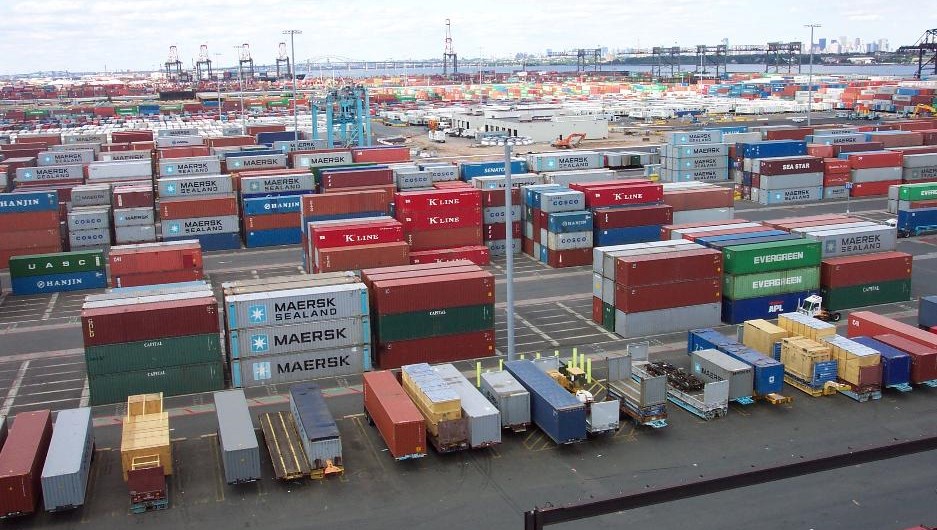
The Nigerian Shippers’ Council (NSC) has raised the alarm over the current fragmented regulatory environment at the country’s ports, warning that the inefficiencies are stifling trade and undermining Nigeria’s competitiveness on the global logistics index.
Executive Secretary of NSC, Dr Pius Akutah, made the remark at the 2025 Yearly Conference and Awards of the Association of Maritime Journalists of Nigeria (AMJON) in Lagos.
Speaking on the theme, ‘Ensuring Standard Regulatory Framework: What Strategies and Options?’, Akutah said Nigeria’s 130th ranking out of 139 countries in the World Bank’s Logistics Performance Index signals an urgent need to adopt a uniform, technology-driven and transparent regulatory system.
Akutah highlighted systemic challenges, ranging from overlapping mandates among agencies to outdated manual processes and inconsistent guidelines, which continue to choke the flow of trade.
Represented by NSC’s Deputy Director of Regulatory Services, Ibrahim Mohammed, and Acting Director of Special Duties, Moses Abere, Akutah highlighted the duplication of functions across over eight regulatory agencies, including the NSC, Nigerian Ports Authority (NPA), Nigeria Customs Service, Nigerian Maritime Administration and Safety Agency (NIMASA), Standards Organisation of Nigeria (SON), National Drug Law Enforcement Agency (NDLEA) and the National Environmental Standards and Regulations Enforcement Agency (NESREA), among others, as a key contributor to port congestion, high logistics costs and increase in port dwell time.
He cited a 2022 report by the Nigerian Economic Summit Group (NESG), which found that 49 per cent of port delays stem from multiple inspections and poor coordination.
Akutah said while some agencies have made progress in digitising operations, many still rely on outdated manual processes, further exacerbating delays and corruption.
He said this, according to the United Nations Conference on Trade and Development (UNCTAD), is a major factor contributing to delays in 70 per cent of African ports, including Nigeria’s.
Highlighting the potential gains of integration, Akutah referenced a 2021 World Bank study that showed countries with streamlined port regulations across agencies experienced a 22 per cent reduction in cargo clearance times.
He referenced international models like Ghana’s Integrated Customs Management System (ICUMS), Morocco’s PortNet and Kenya’s KRA reforms, which significantly reduced clearance times and increased revenue.
Central to achieving this, he stressed, is the urgent need to pass the Nigerian Ports Economic Regulatory Authority (NPERA) Bill. The legislation, he said, would empower the NSC to harmonise economic regulation, enforce compliance and resolve disputes, potentially cutting regulatory duplication by 40 per cent and reducing port service costs by up to 20 per cent over three years.
Also speaking, the Acting Rector of the Maritime Academy of Nigeria, Dr Kevin Okonna, emphasised the centrality of human capital to maritime progress, noting that while Nigeria’s blue economy is growing, its full potential cannot be harnessed without skilled manpower.
Represented by the Academy’s Image Manager, Domo Umoekpe, he outlined reforms including simulator upgrades and curriculum enhancement to produce industry-ready graduates for the growing blue economy.