 Follow Us on Google News


 Follow Us on Google Discover
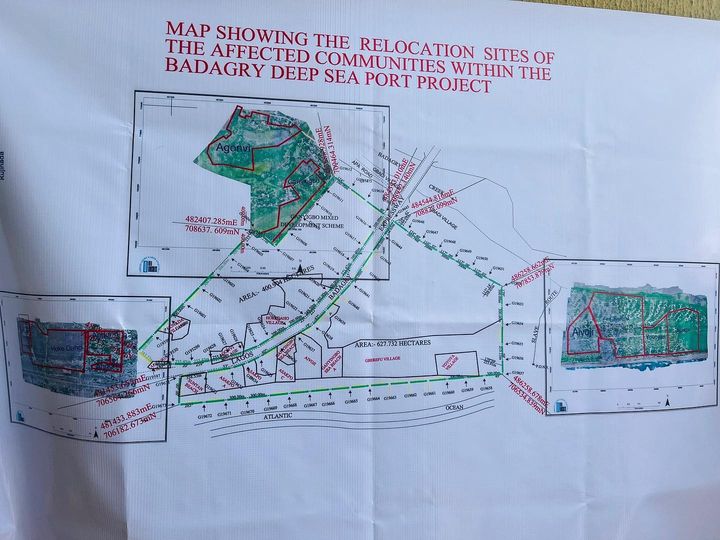
The President of the Badagry Chamber of Commerce, Industry, Mines and Agriculture (BACCIMA), Yahaya Oladiran Idris, has called on the Federal and Lagos state governments as well as the promoters of the Badagry Deep Seaport, to resolve outstanding issues delaying the project.
[ad]
He emphasised that addressing the challenges would attract more investors to the sector and create job opportunities.
Idris, a retired controller of customs, appealed while speaking to maritime journalists during a two-day retreat.
He noted that businesses are anticipating the commencement of the seaport’s construction this year, as its completion would significantly transform the maritime landscape.
According to Idris, the port’s completion would ensure that a substantial portion of Nigerian cargo currently diverted to ports in Benin and Togo would instead be processed at the Badagry Deep Seaport.
He added that the port would serve as a transshipment hub for landlocked countries such as Niger and Chad.
“Badagry is fully prepared for the proposed deep seaport, given its robust infrastructure and strategic location as a gateway to the Economic Community of West African States (ECOWAS) and Europe,” Idris stated.

He highlighted Badagry’s unique advantages, including its proximity to the Seme Border, Nigeria’s most significant border post and its intermodal transportation systems.
Idris also pointed out the efficient waterways and transshipment routes to landlocked countries, which he believes will support the seaport’s operations.
Idris further asserted that the deep seaport would help reduce smuggling significantly, projecting a decrease of up to 20 per cent or zero upon completion.
He also highlighted the economic opportunities the project could unlock for Lagos State and the surrounding region.
The Head of Research at the Sea Empowerment Research Centre, Dr. Eugene Nweke, also supported the optimism, noting several advantages of the Badagry Deep Seaport despite its distance from Lagos’ urban centre.
Nweke explained that the port’s economies of scale, efficient logistics operations, and lower labour costs could reduce the cost of transporting goods.
Additionally, he highlighted that faster customs clearance, reliable transportation schedules, and advanced tracking systems would increase operational efficiency, reducing transit times and enhancing delivery reliability.
He also underscored the port’s capacity to handle large volumes of cargo, which would benefit businesses requiring high-capacity logistics solutions.
Eugene stated that the availability of additional services, such as warehousing, packaging, and labelling, would further enhance its appeal to businesses.
“Badagry’s strategic location near key markets like Seme, Trade Fair and Alaba International Market, as well as suppliers from the Agbara Industrial Estate, will make it easier to move goods to where they are needed,” Nweke stated.
He added that the port is expected to attract more carriers and shipping lines, providing businesses with a wider range of options and potentially lowering costs.
[ad]

