 Follow Us on Google News


 Follow Us on Google Discover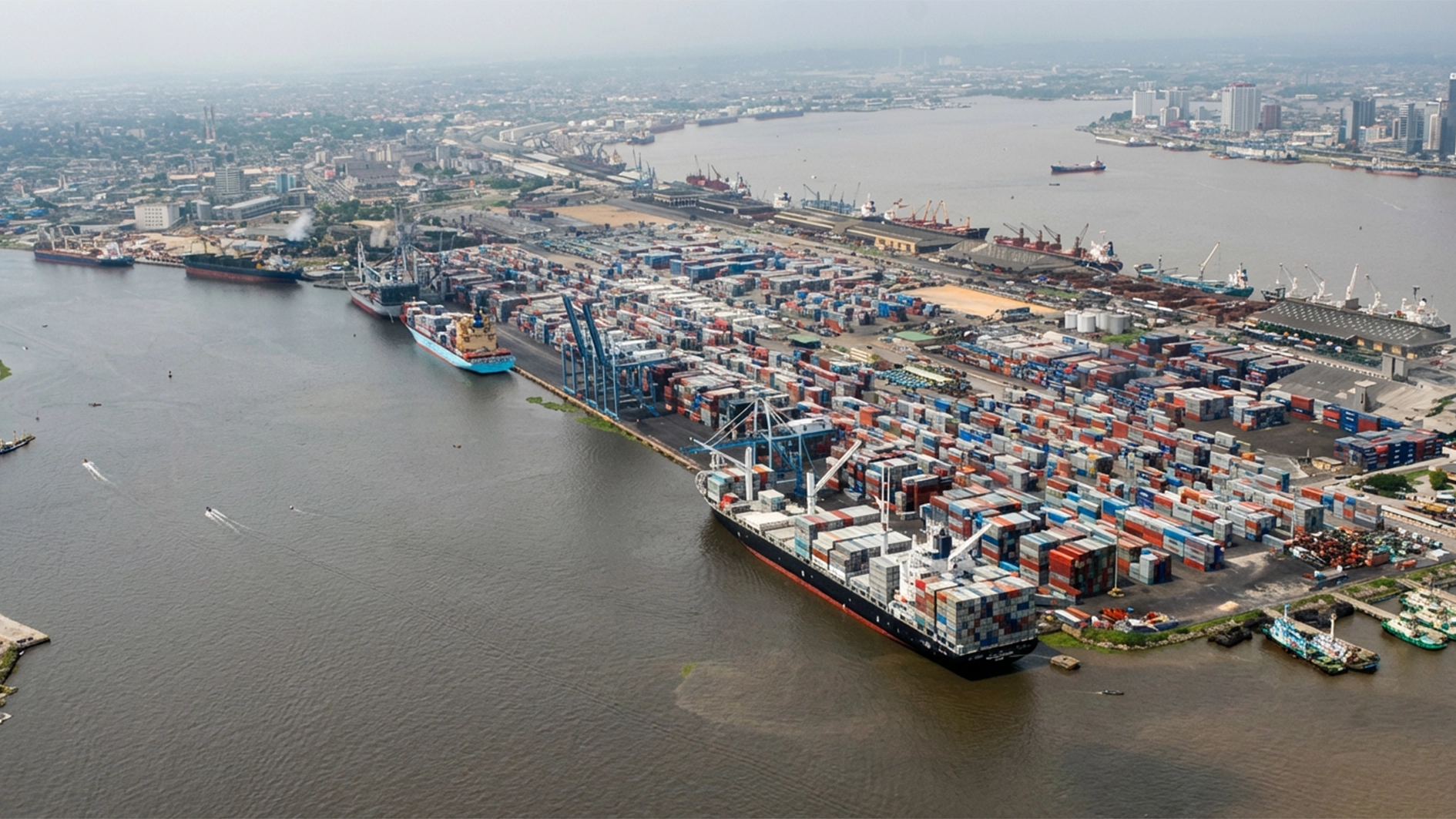
Industry observers have expressed concern that the prolonged delays in cargo evacuation and terminal operations at Lagos ports have disrupted vessel traffic, resulting in mounting demurrage costs for businesses and potentially increasing freight rates, import costs and supply chain expenses.
According to maritime intelligence data released by Coastalynk Technologies Limited, the financial cost of vessel congestion at the Lagos outer anchorage has climbed to an estimated $1.22 million in modelled demurrage, with 18 vessels currently waiting to berth.
The company’s live Automatic Identification System (AIS) monitoring also showed that the longest-waiting vessel has spent over nine days at anchorage, with new arrivals and no vessel departing during the same period.
underscoring growing concerns over persistent bottlenecks in Nigeria’s port logistics chain.
Founder and Chief Executive Officer of Coastalynk Technologies Limited, Yahaya Tijani, said the figures point to a systemic cargo evacuation problem rather than a shortage of berth space.
According to him, the current vessel congestion is being driven by slow cargo offtake onshore and not at berth, resulting in ships arriving faster than terminals and inland logistics systems can clear existing and incoming cargo quickly.
He said the modelled demurrage exposure is estimated at $1.22 million and continues to rise, describing it as a growing financial burden that is likely to be reflected in shipping costs in the coming days.

Tijani disclosed that this is the third occurrence in recent weeks in which Lagos anchorage recorded one-way inbound vessel traffic without corresponding departures, noting that previous backlogs only eased after improvements in downstream cargo evacuation rather than changes at the berth.
“The Time Charter Equivalent (TCE) burn never makes it into the demurrage claim. The contractual exposure gets argued, but the lost earning capacity on the next fixture is simply absorbed quietly,” Tijani stated.
Providing further analysis of the figures, Chief Executive Officer of Omnis Marine Nigeria Limited, Olayinka Alegbeleye, explained that the actual financial impact extends well beyond the projected demurrage.
According to him, relying solely on queue size is a lagging indicator, while monitoring the absence of outbound vessel movement provides an early warning of an emerging terminal crisis before its financial impact becomes evident on the balance sheet.
Applying a conservative TCE rate of between $22,000 and $25,000 per day for Supramax and Handysize bulk carriers, Alegbeleye estimated that a vessel delayed for nine days could lose over $200,000 in asset earning capacity burned on a single ship before cargo operations even commence.
Alegbeleye noted that the estimated $1.22 million modelled demurrage represents only a fraction of the overall economic loss, adding that it excludes additional costs such as fuel consumed while vessels remain at mid-anchorage, crew overtime, delayed downstream barge windows, missed depot schedules and disruptions to subsequent shipping fixtures.

