 Follow Us on Google News


 Follow Us on Google Discover
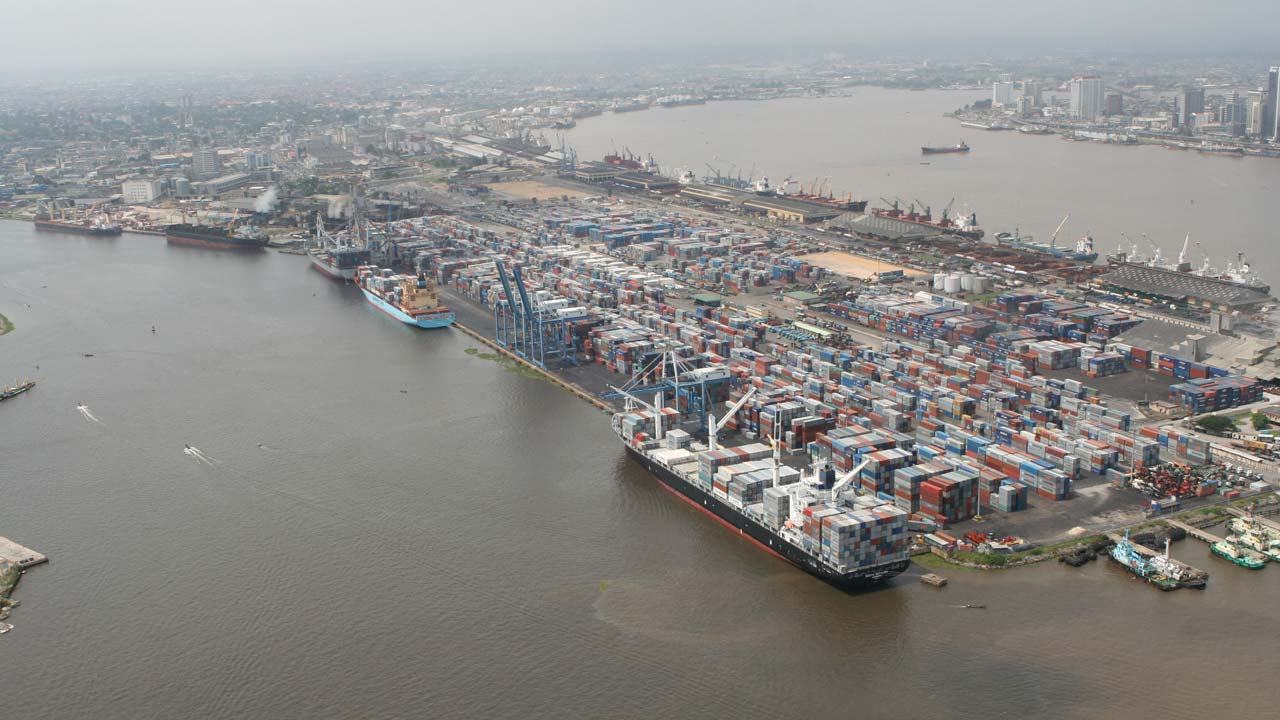 As nations turn their attention to maritime safety for a prosperous future at the 2024 World Maritime Day, Nigeria and other members of the International Maritime Organisation (IMO) are asked to prioritise stronger safety measures across global seas to drive sustainable growth. ADAKU ONYENUCHEYA writes.
As the global maritime community commemorates World Maritime Day 2024 on September 26, there are calls to prioritise the safety and sustainability of the maritime sector through a robust regulatory framework.
[ad]
The event, themed: “Navigating the Future: Safety First,” emphasised the need for continuous improvements in international safety protocols and standards.
It aimed to prevent maritime disasters, protect lives, and advance technology and human capital development to address the challenges posed by modern maritime operations.
This theme is particularly relevant to Nigeria, whose strategic location along the Gulf of Guinea, makes it a major hub for trade in West and Central Africa.
Nigeria accounted for approximately 95 per cent of imports and exports in the region, supporting key industries such as oil and gas, agriculture, and manufacturing.
Additionally, Nigeria’s untapped marine and blue economy potential is estimated to generate up to N7 trillion yearly.

The country’s maritime trade holds significant potential for driving economic growth and fostering regional integration, with Nigeria relying heavily on its ports, shipping lanes, and maritime infrastructure to facilitate international trade.
However, the sector faces numerous challenges, including safety and security issues in shipping, port operations, and the movement of goods and people on waterways.
These concerns, largely due to regulatory gaps, have been persistent over the years.
A major safety issue in Nigeria’s maritime industry has been the threat of piracy in the Gulf of Guinea.
While piracy incidents have declined due to the combined efforts of the Nigerian Navy and international partners, security concerns remain.
The Nigerian Maritime Administration and Safety Agency (NIMASA) deployed the Deep Blue Project, an integrated security system with air and sea assets, to enhance maritime security.
Nonetheless, there are still reports of insecurity, with the safety of maritime workers at risk.
For instance, the Bonny-Port Harcourt waterways experience frequent pirate attacks on travelers.
In September 2024 alone, sea pirates attacked and abducted 10 maritime workers along the Bonny-Port Harcourt waterways. Additionally, another 20 passengers were kidnapped but later rescued by the Nigerian Navy.
Data from the Nigerian Ports Authority (NPA) revealed that in the first half of 2024, the country experienced four attacks on vessels and 74 other safety incidents on its waters.
The NPA’s data, covering incidents between January 1 and June 30, 2024, detailed 78 total incidents across all ports, including thefts, accidents, arrests, assaults, damage to property, deaths, and incidents involving arms, ammunition, and fires.
These incidents include four attacks on vessels, five thefts, seven accidents, four arrests, one assault, 13 cases of damage to NPA property, seven deaths, two cases involving arms and ammunition, five fire incidents, 11 protests, three stowaways, seven joint raiding operations, eight official visits, and one instance of trespassing or illegal entry on NPA land.
Also is the issue of stowaways and other maritime crimes, such as smuggling of dangerous goods through the seaports, remain challenges in Nigeria and the Gulf of Guinea.
Data from Africa Risk Compliance (ARC) Limited showed that in 2021, the Gulf of Guinea region experienced 31 stowaway incidents involving 88 individuals.
[ad]
In 2022, the number of stowaway cases slightly decreased to 25, involving 71 individuals.
However, 2023 saw a resurgence with 35 incidents involving 143 stowaways.
In 2024, there has been a decline, with 14 stowaway cases linked to the Gulf of Guinea, involving 60 individuals.
Other issues include the poor condition of vessels used to transport both people and goods, which has caused the series of boat mishaps recorded in the country.
The National Inland Waterways Authority (NIWA) reported that over 70 per cent of passenger boats operating in Lagos are unseaworthy, contributing to frequent accidents.
Additionally, there have been incidents of submerged barges and tugboats at Lagos seaports, resulting from the vessels’ inability to keep up with operational demands.
These incidents pose significant risks to the lives of the crew working on these vessels. This is majorly due to poor adherence and compliance with operating standards and protocols.
Some of the operators in the sector do not prioritise safety in their operations, risking the lives of their workers.
In response to these issues, the IMO has urged member states, including Nigeria, to adopt stricter safety regulations and best practices.
Recently, Justice Deinde Dipeolu of the Federal High Court in Lagos called for a review of the Suppression of Piracy and Other Maritime Offences (SPOMO) Act of 2019 to address piracy and related crimes fully.
He noted that the SPOMO Act provides a comprehensive legal framework for addressing maritime security issues, empowering law enforcement agencies to investigate, prosecute, and punish perpetrators of maritime crimes and related offenses.
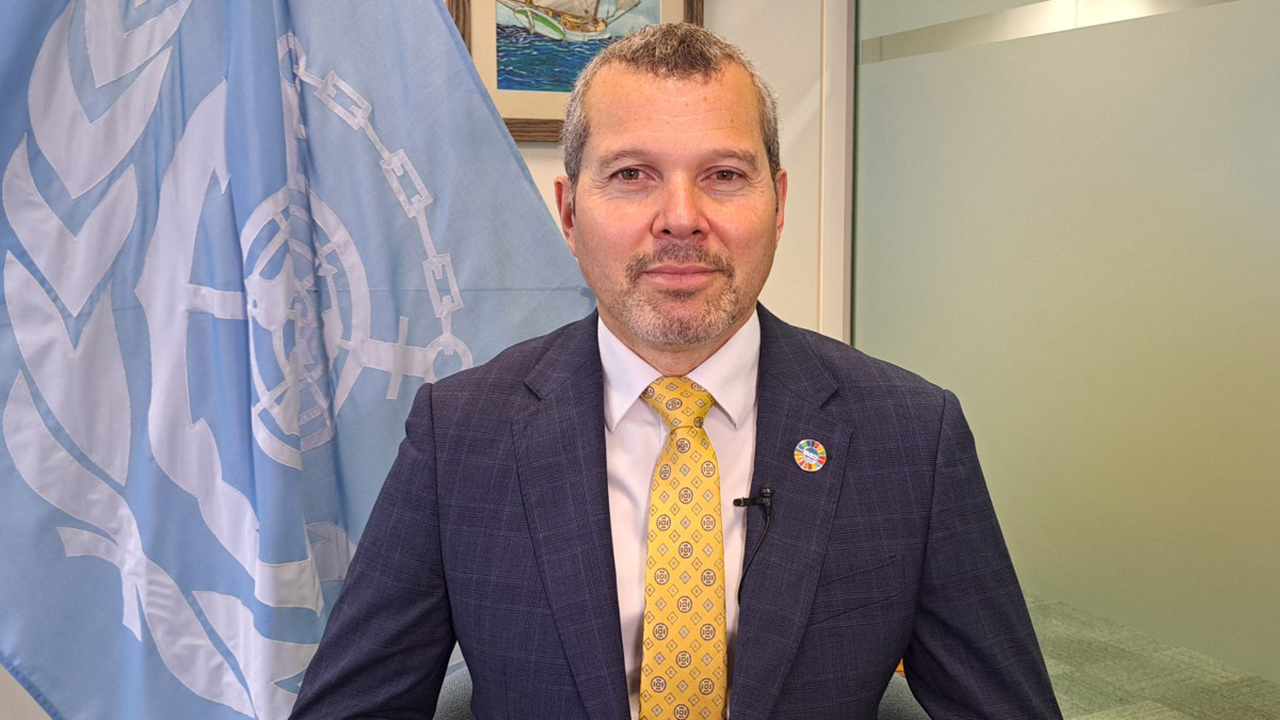
The Secretary-General of the IMO, Arsenio Dominguez, highlighted the significance of the International Convention for the Safety of Life at Sea (SOLAS), which has been instrumental in shaping safety standards over the past 50 years.
“When we think about maritime safety, SOLAS is one of the first things that comes to mind. The year 2024 marks 50 years since the treaty was adopted. We can be proud of the crucial role this convention has played in setting international safety standards for ship construction, equipment, and operation, preventing maritime disasters, and protecting lives,” he said.
[ad]
Dominguez warned against complacency, stressing that the maritime industry is undergoing rapid transformation.
According to him, this year’s World Maritime Day theme: “Navigating the Future: Safety First,” emphasises the need for a collective global effort to adapt to the ongoing changes in shipping.
He urged IMO member states to continue developing and implementing regulatory frameworks that prioritise safety as the industry moves forward.
Dominguez emphasised the need for a collective global effort to adapt to changes in the maritime industry, driven by digitalisation, automation, and decarbonisation.
The Secretary-General of the United Nations (UN), António Guterres, echoed these sentiments, calling for a renewed global commitment to the safety and sustainability of the maritime sector in light of evolving security threats and technological advancements.
Guterres emphasised the crucial role shipping plays in the global economy, describing it as “the lifeblood of global supply chains, stretching across oceans, connecting goods and communities.”
He underscored the need for collaboration across the industry to contribute to climate action while ensuring seafarers’ safety.
Guterres noted that the maritime industry is undergoing significant transformations driven by digitalisation, automation, and decarbonisation, all of which present opportunities to contribute to global climate action.
[ad]
He stressed the importance of industry-wide collaboration in navigating the adoption of new technologies and designs, which offer the potential to make meaningful contributions to climate goals.
However, Guterres warned that safety must remain a top priority, especially given the rising risks to seafarers.
Expressing deep concern about the impact of ongoing global conflicts on shipping routes, which have become dangerous due to targeted attacks, Guterres stated that such attacks are “totally unacceptable” and must be rejected by all.
He emphasised that safe navigation for the men and women working in this vital industry “must not be compromised.”
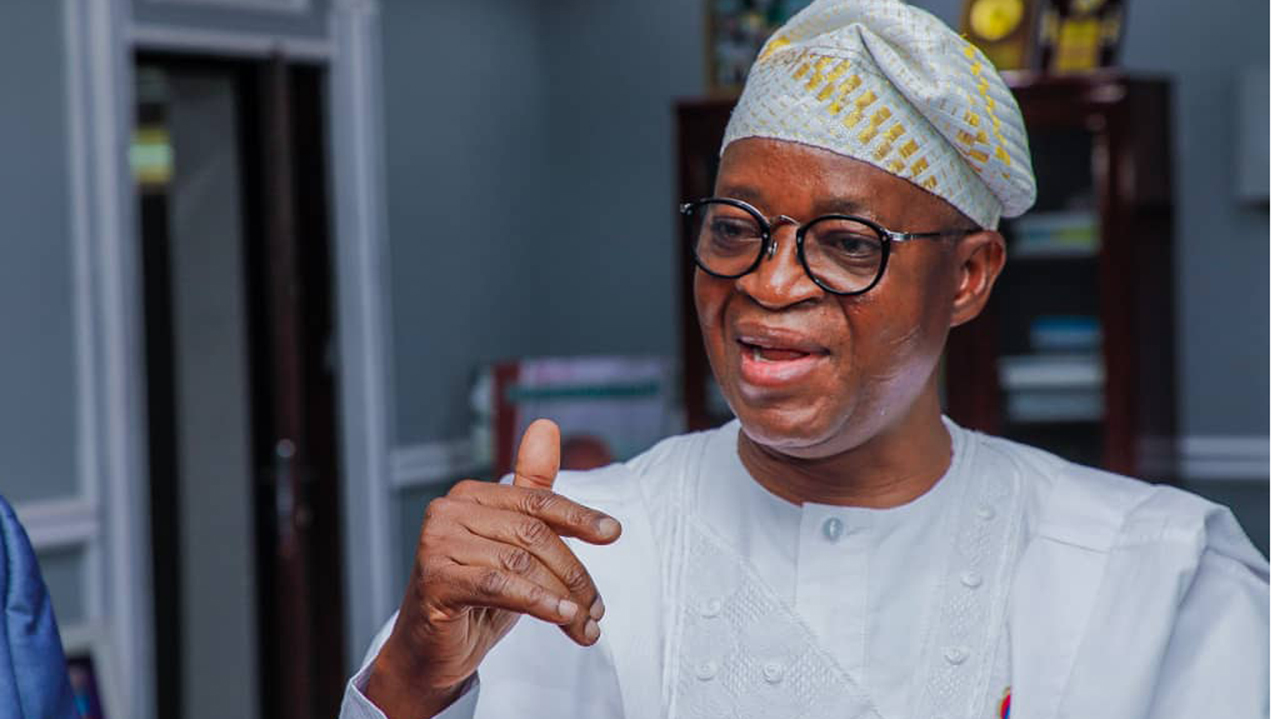
The Minister of Marine and Blue Economy, Adegboyega Oyetola, reaffirmed the government’s commitment to ensuring that agencies under the ministry adhere to globally recognised safety standards.
He emphasised that safety is a prerequisite for creating a robust and business-friendly maritime sector.
According to him, President Bola Tinubu’s administration is dedicated to ensuring that the Blue Economy significantly contributes to Nigeria’s Gross Domestic Product (GDP).
[ad]
The Director-General of the Nigerian Maritime Administration and Safety Agency (NIMASA), Dr Dayo Mobereola, reassured stakeholders and investors that Nigeria’s waters are safe for investment, pledging to foster an enabling environment for growth in the maritime sector.
“Safety is at the core of our mandate at NIMASA. Whether it’s the safety of lives and property at sea or the safety of investments, we are forward-looking and committed to implementing government policies that will ensure a sustainable future for maritime operations in Nigeria,” Mobereola said.
The President of the Association of Marine Engineers and Surveyors (AMES), Israel Obada, emphasised the importance of safety in the daily operations of the country’s maritime sector.
“As surveyors, it is pertinent to state that the health of the vessels plying our waterways matters, because vessel classification plays a key role in assessing their overall condition, which in turn impacts the maritime sector as a whole. This makes safety a priority not only in Nigeria but globally,” he stated.
[ad]

