 Follow Us on Google News


 Follow Us on Google Discover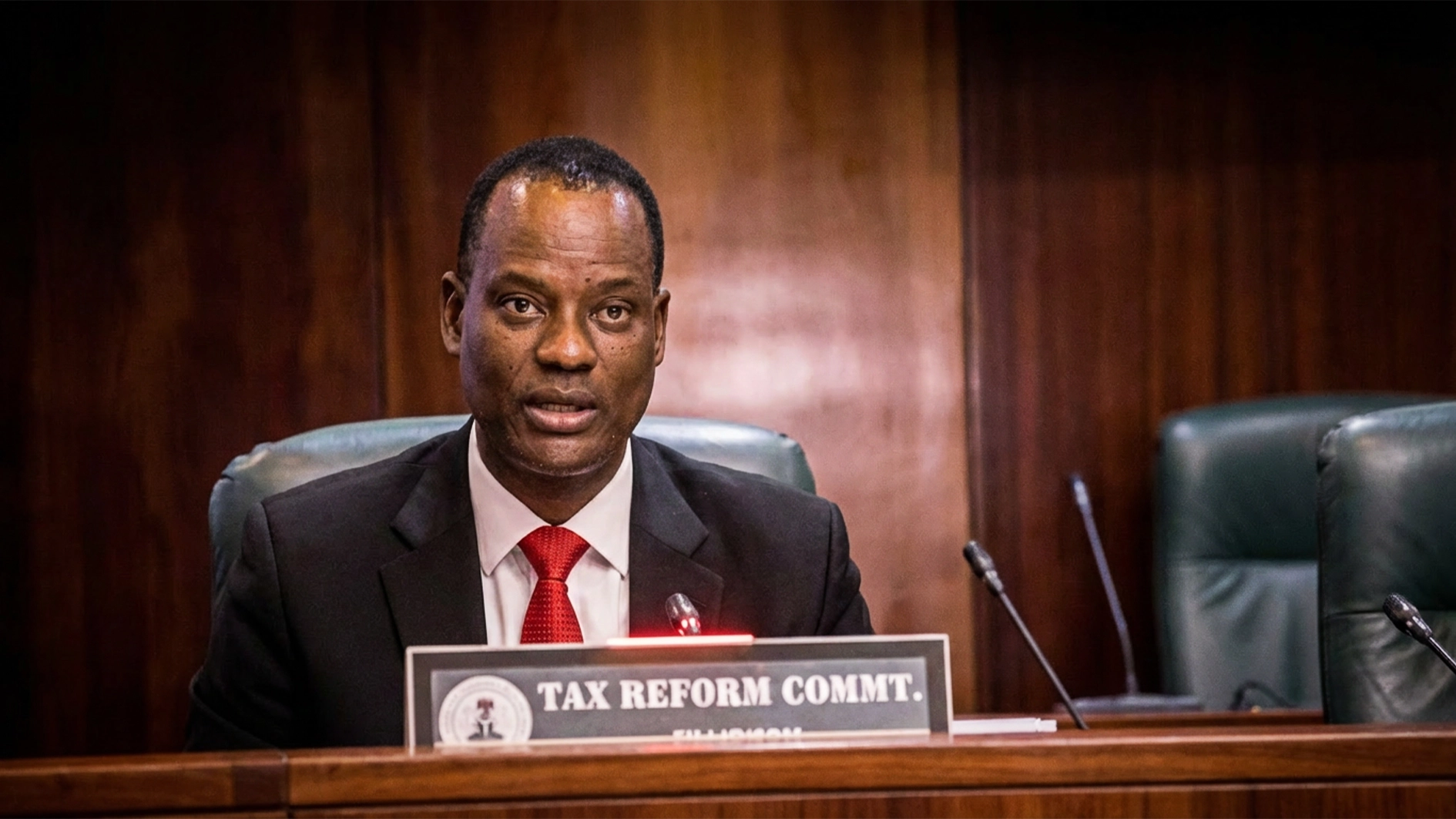
Nigeria has embarked on a deliberate and far-reaching reform agenda aimed at restoring competitiveness and rebuilding investor confidence after decades of structural distortions, Chairman of the Presidential Committee on Fiscal Policy and Tax Reforms, Taiwo Oyedele, has said.
Speaking yesterday at the January 2026 Business Breakfast of the Franco-Nigerian Chamber of Commerce and Industry (FNCCI) in partnership with TREXM Holdings in Lagos, Oyedele said persistent challenges such as fuel subsidies, multiple exchange rates and a discretionary tax system had constrained growth and discouraged long-term investment, making reform unavoidable.
He explained that the current economic reset was anchored on three pillars: restoring market clarity through pricing and foreign exchange reforms, implementing a fiscal reset driven by tax reform and improving the business environment through simplification, digitisation and stronger institutional coordination.
According to him, the tax reform is designed to deliver clarity, fairness and consistency, reduce compliance costs and align Nigeria’s fiscal framework with international standards.
He stressed that the objective was not short-term revenue extraction but a structural reset that supports productivity, protects vulnerable households and strengthens Nigeria’s competitiveness.
Oyedele noted that early indicators, including improved foreign exchange (FX) stability, moderating inflation and renewed foreign investor interest, suggest that the reforms are beginning to yield results, although he cautioned that sustained implementation, clear transition rules and continuous engagement with the private sector would determine their long-term success.

Also, Director-General of the Presidential Enabling Business Environment Council (PEBEC), Zahrah Mustapha Audu, said Nigeria’s reform efforts were shifting from policy momentum to measurable outcomes.
She said the focus was on strengthening regulatory quality, deepening coordination across government agencies and improving predictability in public sector processes.
Audu highlighted initiatives such as the Regulatory Impact Analysis, which promotes consultative and evidence-based rulemaking, as well as the ReportGov platform that enables businesses to flag service-delivery challenges and track institutional responses.
These, she said, have helped to reduce friction in cross-border transactions and improve trade and logistics efficiency.
Consul General of France in Lagos, Laurent Favier, described the implementation of four new tax laws effective January 1 as a strong signal of regulatory modernisation.
He noted that Nigeria’s improving macroeconomic outlook, with growth projections of about 4.4 per cent in 2026, has enhanced its appeal to international investors.
Favier added that France remained committed to deepening economic ties with Nigeria through sustained investment and policy engagement, disclosing a plan for a high-level ministerial visit later in the year, accompanied by a delegation of French business leaders.
Participants at the FNCCI business breakfast agreed that continued dialogue between government and the private sector would be critical to translating macroeconomic reforms into tangible gains for businesses, households and the wider economy.
Speaking at a panel session, Tax Partner, Forvis Mazars, Ajibola Sogunro, said the reforms would achieve their goals because some of them are focused on the tax system.

