 Follow Us on Google News


 Follow Us on Google Discover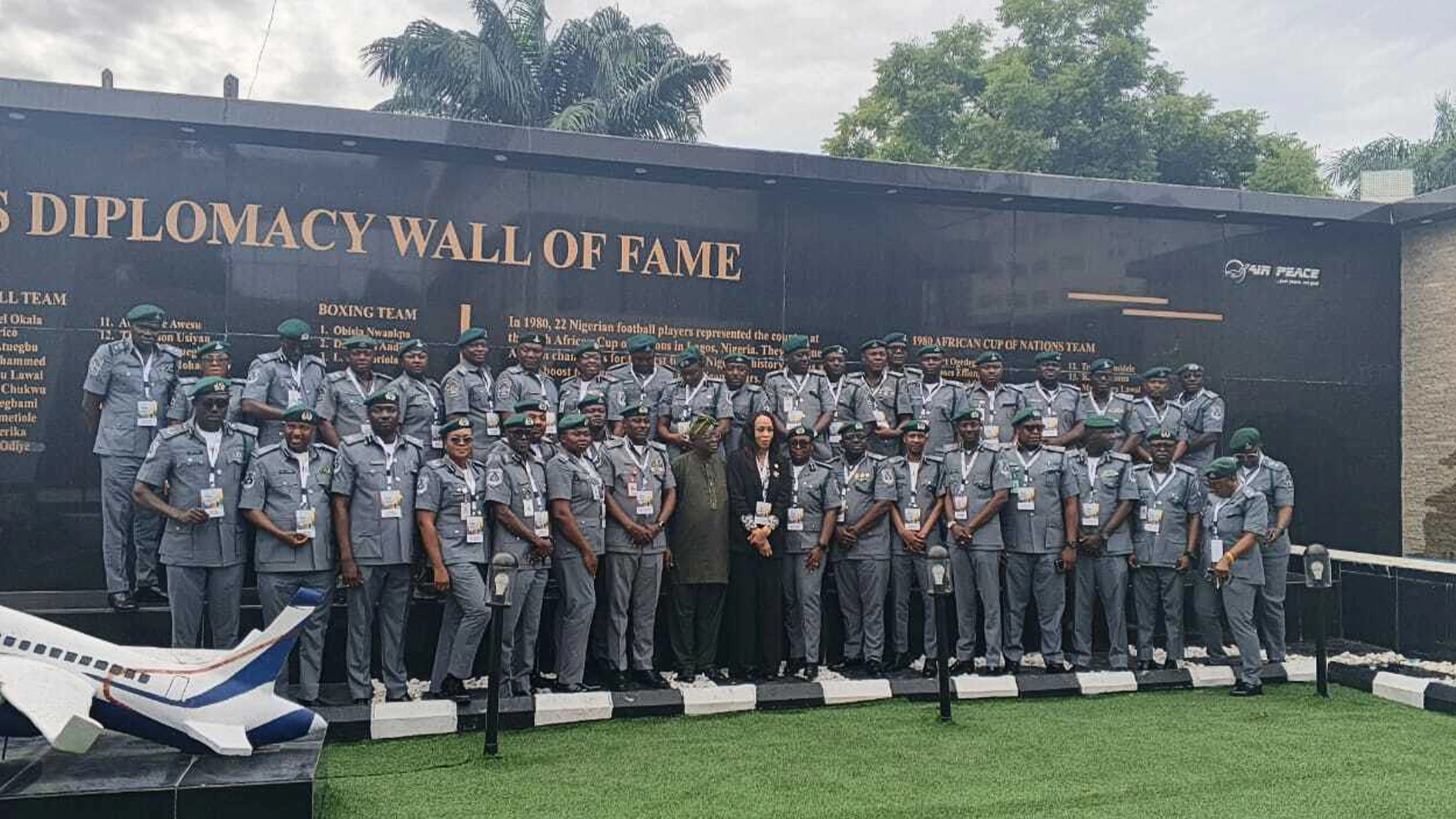
Acting Director (International Cooperation and Public Affairs) of the Nigerian Institute of International Affairs (NIIA), Dr Godwin Ichimi, said trade has evolved beyond economic exchange to become a powerful geopolitical tool countries could use to advance their strategic interests.
Speaking at the Advanced Senior Executive Course on Strategic Foresight and Trade Intelligence for Nigeria Customs Leadership, organised by the Bashir Adeniyi Centre for International Trade and Investment (BACITI) of the NIIA, Ichimi urged Nigerian customs officers to adopt forward-looking approaches to safeguard national security and economic development.
He highlighted the growing links between national security, international trade and geopolitical competition, noting that the global economic order established after the Second World War was intended to prevent conflicts arising from economic rivalries.
According to him, recent developments have exposed vulnerabilities in the global trading system, causing countries to rethink long-held economic positions and adopt more strategic approaches to trade and economic policy.
He said globalisation has produced both winners and losers, leaving some regions and economies feeling disadvantaged, while also raising questions about the effectiveness of neo-liberal economic policies that have shaped international trade relations for decades.
Ichimi described geopolitical trade as one of the most pressing issues confronting nations today, stressing that increasing interdependencies among countries have created vulnerabilities that can be exploited during periods of tension and conflict.

He also emphasised the central role of customs administrations in protecting national security and economic interests, particularly amid recurring supply chain disruptions and shifting geopolitical alliances.
He called for a reassessment of trade policies and strategic responses to evolving global dynamics, arguing that stronger trade intelligence and foresight capabilities would enhance national resilience and competitiveness.
Speaking at the event, Coordinator of BACITI, Adesuwa Erediuwa, said the course was designed to prepare customs leaders for an increasingly uncertain global trade environment marked by geopolitical tensions, supply chain disruptions and climate-related risks.
“We live in a dynamic world of uncertainty. Customs services all over the world have to be prepared and anticipatory in dealing with these uncertainties. This course is designed to help customs leadership move from survival to anticipation and prepare for future risks and opportunities,” she said.
Chief Superintendent of Customs in the Strategic Research and Policy Department, Patience Zagi, described the programme as an opportunity to gain new perspectives on strategic trade and acquire fresh ideas on trade intelligence and strategic planning.
She said the changing nature of global commerce offers opportunities for Nigeria to improve trade facilitation and enhance revenue generation.
Also speaking, Assistant Comptroller of Customs, Officer in Charge of Training at the Nigeria Customs Service, Rhoda Umunnadi, said the programme aligns with the service’s ongoing transformation agenda and would help officers strengthen their leadership and decision-making capabilities.
According to her, participants are expected to acquire strategic leadership skills that will enable them to contribute more effectively to the modernisation of the service and national development goals.
Director-General of the NIIA, Prof. Eghosa Osaghae, represented by Prof Femi Otubanjo, said customs administrations worldwide must develop the capacity not only to respond to change but also to anticipate it.
He noted that technological innovation, emerging security threats, digital commerce, climate-related disruptions and evolving geopolitical dynamics are reshaping the global trade environment and creating new challenges for customs authorities.
Osaghae said the Nigeria Customs Service occupies a strategic position at the intersection of national security, trade facilitation, revenue generation and economic development, particularly as Nigeria expands its participation in regional and global markets through initiatives such as the African Continental Free Trade Area (AfCFTA).

