 Follow Us on Google News


 Follow Us on Google Discover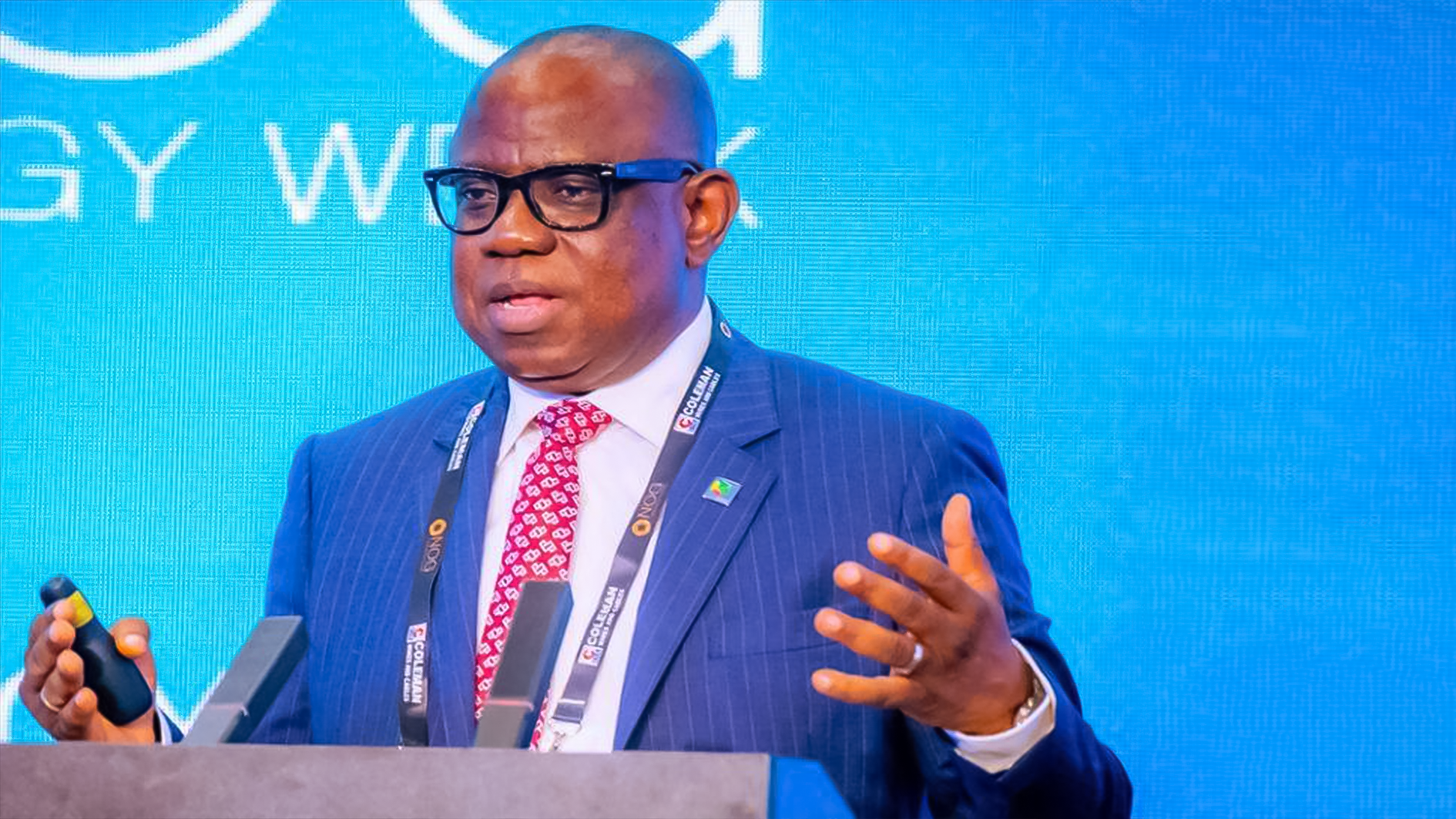
The Nigerian National Petroleum Company (NNPC) Limited said it has slashed operational costs by $3.4 billion between April 2025 to April 2026.
The Group Chief Executive Officer of the Nigerian National Petroleum Company Limited, Bayo Ojulari, who disclose this in his presentation at the Nigeria Oil and Gas Energy Week in Abuja, said the cost reduction was possible through contract restructuring and optimisation.
Reviewing the company’s performance from April 2025 to April 2026, Ojulari unveiled a sweeping turnaround in production metrics, cost efficiencies, and infrastructure availability under the strategic theme of enabling Nigeria’s energy future.
According to him, the company’s interventions have translated into tangible gains across both liquid and gas portfolios, as crude oil and condensate production climbed to 1.659 million barrels per day in 2026, up from 1.64 million barrels per day in 2025. This represents a steady six percent year-on-year increase, translating to a total of 569.7 million barrels.
He said this positive trajectory positions the company to target 1.92 million barrels per day by 2027 and ultimately 2.91 million barrels per day by 2030.
Concurrently, gas production witnessed an 8.1 percent year-on-year surge, hitting 2,576 billion standard cubic feet.

Noting that focus on fiscal responsibility and structural reforms has significantly boosted returns to the national treasury, he said the federation’s revenue share from the oil sector surged by 21.8 percent, delivering a massive N19.5 trillion to the government within the period.
Ojulari said the country’s export infrastructure bounced back from catastrophic lows, noting that average terminal recovery factors across all five export terminals between April 2025 and May 2026 have been sustained at approximately 98 percent.
This marks a rebound from June 2022, when the recovery factor at the Bonny Offshore Gas Terminal collapsed to a near-zero low of about one percent.
Industry-wide interventions and enhanced surveillance have effectively secured the Forcados, Bonny, and Brass terminals, ensuring a prolonged period of optimal recovery, according to the NNPC boss.
Ojulari also confirmed that Nigeria’s major distribution arteries have achieved maximum operational stability. These includes the Trans-Niger Pipeline, the Trans-Escravos Pipeline, the Trans-Ramos Pipeline, the Trans-Forcados Pipeline, and the Oando-Brass pipeline network.

