 Follow Us on Google News
 Follow Us on Google Discover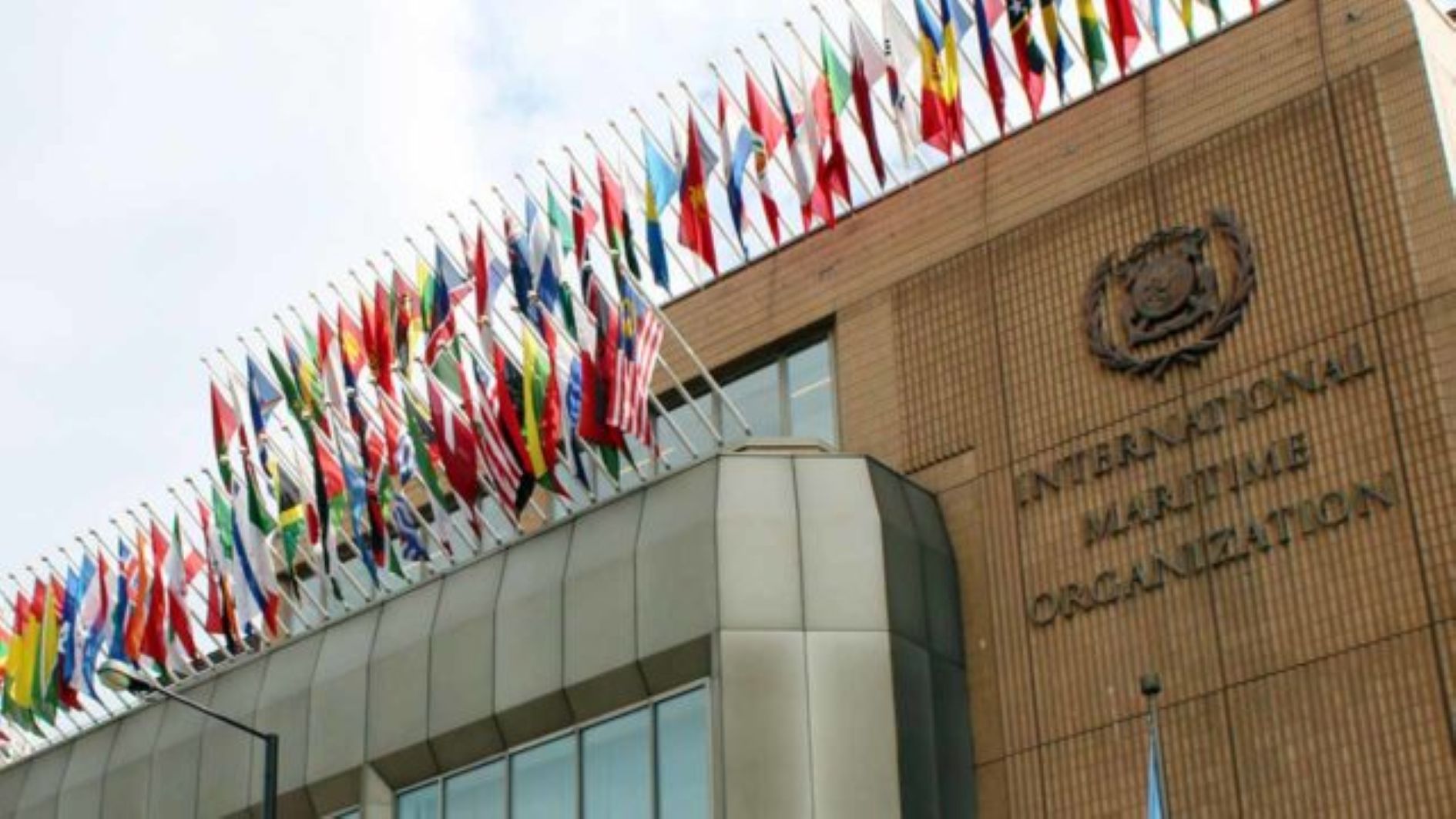
Nigeria’s continuous payment of hundreds of millions of dollars yearly in war risk insurance premiums has raised concerns about the relevance of occupying the International Maritime Organisation (IMO) Council seat and why the maritime security gains have failed to translate into financial relief.
The payment continues despite the $195 million investment in the Deep Blue Project that led to a major drop in piracy attacks and sea robberies in Nigerian territorial waters and the wider Gulf of Guinea.
The Nigerian Maritime Administration and Safety Agency (NIMASA) figures indicate that a Very Large Crude Carrier (VLCC) valued at about $130 million could pay approximately $445,000 in war risk premium per voyage, while a new container vessel valued at about $150 million attracts approximately $525,000.
The agency also put the country’s war risk insurance bill at over $1.5 billion over the past three years.
The premium is imposed in addition to normal marine insurance costs and ultimately reflects on the total cost of shipping goods to and out of Nigeria.
Some shipping lines also impose separate war-risk or transit disruption surcharges on containers, further increasing the cost of moving cargo to Nigerian ports.

The International Maritime Bureau (IMB) removed Nigeria from its piracy-prone countries list in 2021, while in 2023, the IBF delisted the country from its high-risk maritime countries.
Meanwhile, the Joint War Committee (JWC) of the London insurance market still has Nigeria on its Listed Areas in its latest 2026 circulars, alongside a wider Gulf of Guinea risk area and countries facing significantly different security circumstances.
While the IMB records and reports piracy incidents, the JWC operates as an insurance-market mechanism and assesses risks using a broader range of considerations.
A former chairman of the Institute of Chartered Shipbrokers, Chris Ebare, questioned the effectiveness of Nigeria’s representation in international maritime institutions, noting that the government should hold its representatives and other relevant institutions responsible for the continued high premiums and not protecting the country’s interests.
Nigeria’s IMO council seat is occupied by the Minister of Marine and Blue Economy, Adegboyega Oyetola, officials of NIMASA and the Nigerian Diplomatic Mission in London.
Ebare said the country’s representatives at the international maritime institutions should be actively identifying and challenging measures that continue to impose unnecessary financial burdens on Nigeria.
He specifically questioned the role of Nigeria’s representative at the IMO council, arguing that such representation should go beyond attendance at international meetings to actively advancing the country’s interests.
Ebare said the representatives should have been engaging the international bodies on why the country was still being subjected to war-risk charges after its security situation had fundamentally changed.
He cited the recent removal of Pakistan from the JWC Listed Areas as evidence that persistent engagement could produce results.
Ebare said Pakistan, which had remained on the list since 2001, was removed in July 2026 following months of direct engagement with Lloyd’s underwriters by the Pakistani government.
He said the country established a dedicated government mechanism to engage directly with Lloyd’s, presenting technical evidence, operational assessments and security data before the country was eventually removed.
The development, Ebare argued, should serve as a wake-up call for Nigeria, noting that effective international representation requires constant engagement with stakeholders at home and the institutions where Nigerian representatives are posted.
He urged the Minister of Marine and Blue Economy, Adegboyega Oyetola, to demand explanations from Nigeria’s representatives on what concrete steps they were taking to secure the country’s removal from the war-risk regime.
Head of Research, Sea Empowerment and Research Centre (SEREC), Eugene Nweke, said Nigeria’s improved maritime security profile was due to its maintained compliance with key IMO instruments, including ISPS Code, SOLAS and relevant safety and environmental conventions.
He said this recorded zero piracy incidents against commercial vessels within Nigeria’s maritime domain and the Gulf of Guinea.
Nweke noted that this achievement reflects sustained collaboration among NIMASA, the Nigerian Navy, and licensed private maritime security operators, which carries heightened importance following Nigeria’s election into the IMO Council.
He noted that the Nigerian maritime industry has laid important institutional and policy foundations, but competitiveness, predictability and cost efficiency must define the next phase.

