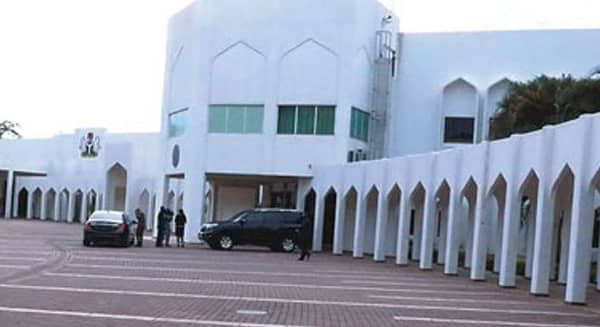
The Federal Government continues to demonstrate that it is not isolated from the power supply crisis, as it plans to spend N1.98 billion on fueling the State House generators this year.
The figure is the same amount it was budgeted for the same line item in 2025. The Guardian had reported that the ongoing Villa solarisation project will gulp N7 billion, the same project for which the government budgeted N10 billion last year.
From 2021 to 2023, the yearly diesel budget for the State House remained constant at N67.95 million. In 2024, the figure jumped to N148.26 million, while it ballooned to N1.98 billion last year.
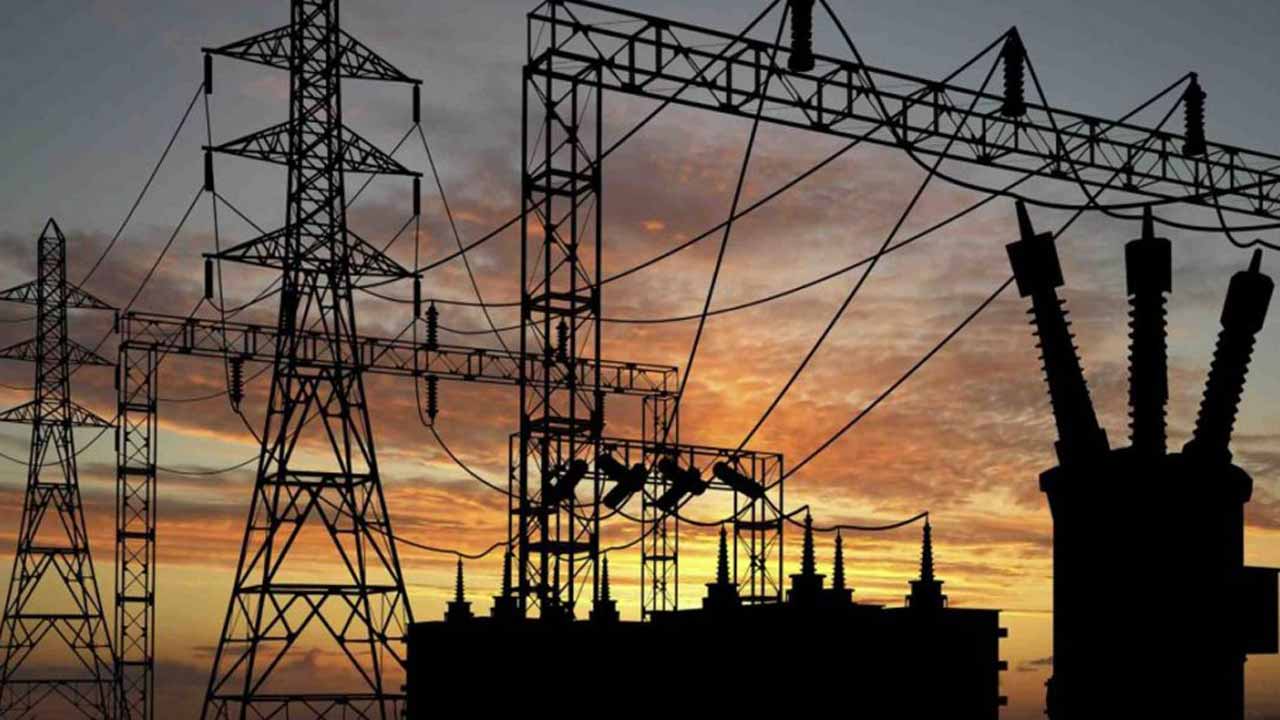
The estimated generator fuelling cost mirrors the general pessimism about the power sector. Nigeria has faced unstable power supply over the years, even though the country has made significant investments in the sector between 2021 and 2024.
The budget for the power sector grew by 129.42 per cent, from N133.479 billion in 2020 to N306.23 billion in 2022, with a focus on capital expenditures for infrastructural development.
In 2023, the government budgeted N258.49 billion on the sector, with N251.609 billion allocated for capital expenditure. In 2024, the figure rose to N418.37 billion, with N411.15 billion set aside for capital projects.
Last year, the government allocated N2.08 trillion to the Ministry of Power. Out of the amount, N2.07 trillion was set aside for capital projects, a move that was described as a bold step to tackling the crisis in the sector.
Many businesses are shutting down, while others are finding their way out of the country as they can no longer bear the high costs of generating power.
Last year, the World Bank, in its energy progress report, ranked Nigeria top of the list of African countries with the worst power supply.
The Manufacturers Association of Nigeria (MAN) has also continued to lament how poor power supply has negatively impacted its members’ businesses.
According to the association, its members spent N676.6 billion on alternative energy in the first half of 2025, though an improvement from over N1 trillion spent in 2024.
The sector is said to be fraught with challenges, such as inadequate power supply resulting from unreliable energy infrastructure and high electricity tariffs.