Nigeria’s manufacturing sector stands at a critical juncture as it transitions from recovery to growth, with industry leaders calling for urgent reforms in gas pricing and fiscal policies to sustain momentum into 2026.
Managing Director and CEO of Coleman Wires and Cables, George Onafowokan, identified inconsistent fiscal policies as the primary obstacle preventing manufacturers from fully capitalising on the macroeconomic stability achieved in the past year.
Speaking on the sector’s outlook, Onafowokan commended the Central Bank of Nigeria’s (CBN) stringent monetary policies, which have driven inflation down from a peak of over 34 per cent to 14.45 per cent, while stabilising the exchange rate at between N1,400 and N1,500 to the dollar.
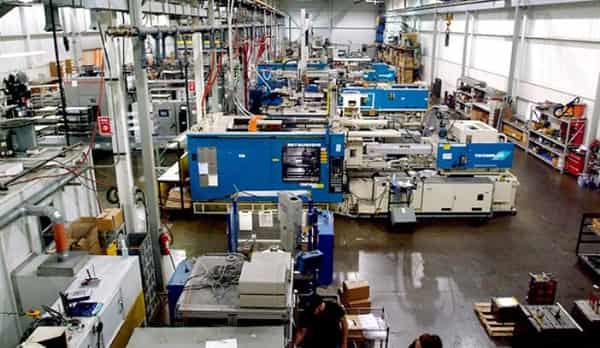
However, he emphasised that monetary stability alone cannot guarantee manufacturing competitiveness without complementary fiscal reforms. The Coleman CEO highlighted the gas pricing structure as the most pressing issue requiring government intervention. With 99 per cent of manufacturers operating independent power sources, the majority have transitioned to gas-powered generation. Yet they face significantly higher costs compared to their international counterparts.
“It does not make sense that Nigeria wants investment in industry, but is making the power cost not as cost-effective as the gas we sell to others,” he stated, noting that manufacturers pay approximately $8 per unit while Nigeria exports gas to countries like China at $3.8 to $4.
The Manufacturers Association of Nigeria (MAN) had proposed, nearly a decade ago, that domestic gas prices should range between $4 and $5, including transport costs, considering that global market prices hover around $2 to $3.
The current disparity, Onafowokan argued, undermines local production costs and export competitiveness. He contrasted the situation with cement manufacturing, where 95 per cent of raw materials are sourced locally, allowing for better cost management.
In cable manufacturing, however, the significant import component, combined with high energy cost, places Nigerian producers at a disadvantage in regional markets.
Another critical concern raised by the manufacturing executive is the three-year delay in signing off on the monetary tariff policy, originally due in 2023. The policy framework, which adjusts tariff guidelines to protect certain industries while easing constraints on others, has been repeatedly postponed through 2024 and 2025.
“We have lost three years for a manufacturing sector to be incentivised by that or be protected by that,” Onafowokan said, warning that continued delays into 2026 could jeopardise the country’s GDP growth targets of 4 to 4.5 per cent.
While acknowledging that the current monetary policy rate (MPR) of 27 per cent remains a concern for manufacturers, Onafowokan expressed understanding of the CBN’s balancing act between controlling inflation and maintaining exchange rate stability.
He projected a modest reduction of three to four per cent over 2026, bringing the MPR to approximately 23 to 24 per cent by year-end. He also cautioned against rapid wage increases that outpace inflation control measures, citing the collapse of Nigeria’s textile industry in the 1980s as a cautionary tale.
That sector, he explained, would grant excessive wage increases based on unsustainable profits from import licenses, ultimately leading to widespread business failures when the advantage disappeared.
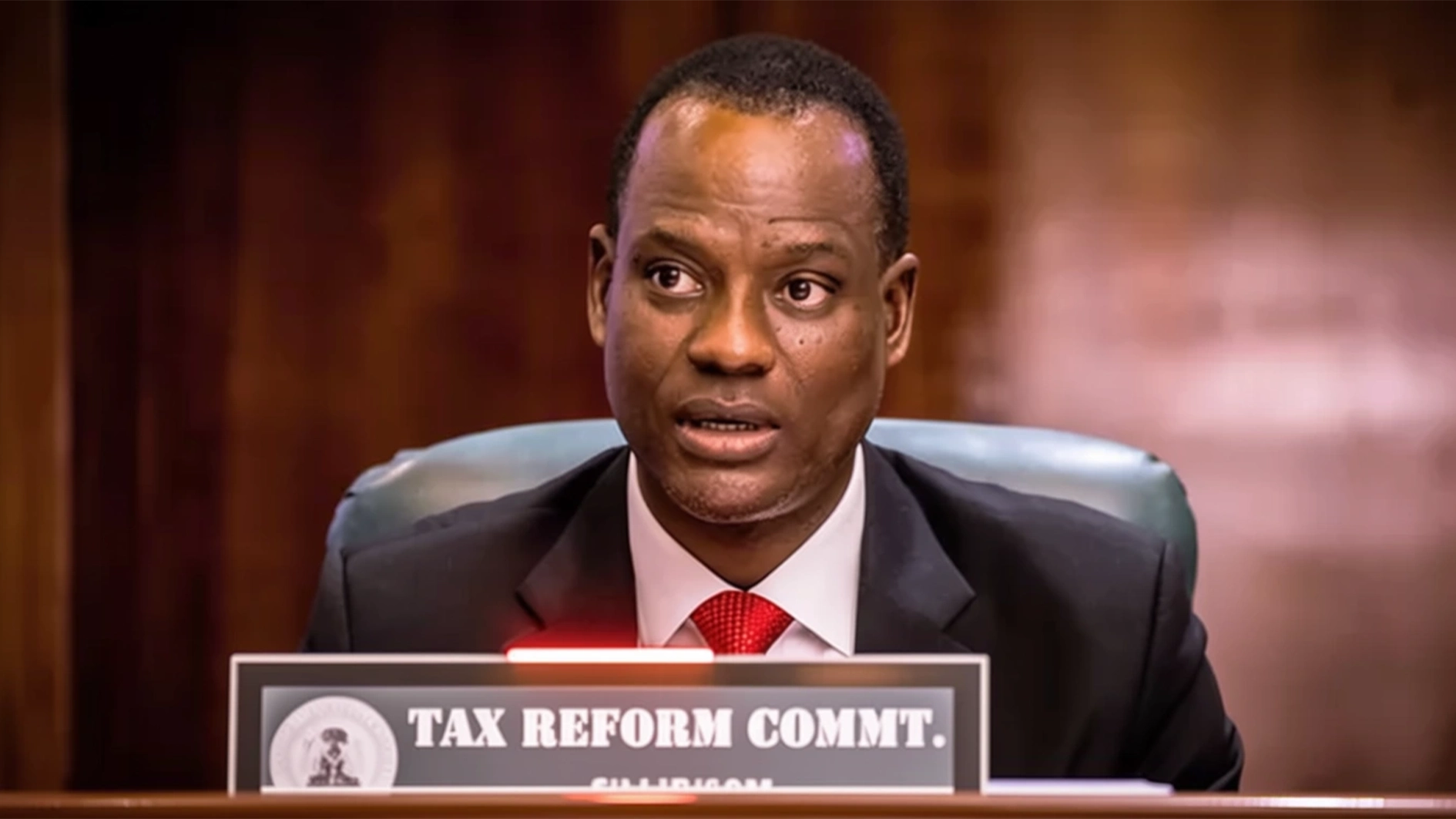
Contrary to current widespread apprehension, he expressed support for the new tax reforms set to take effect, arguing that compliant manufacturers would benefit from reduced corporate income tax rates—dropping from 30 to 25 per cent—while the reforms would bring non-compliant businesses into the tax net.
He emphasised the need for government campaigns to clarify misconceptions about the tax policies, particularly regarding withholding taxes and double taxation concerns.
Looking ahead, the local manufacturing advocate is positioning his firm to capitalise on export opportunities across Africa, noting that the company can satisfy 50 per cent of continental demand from its Nigerian operations.
He also anticipated increased domestic infrastructure spending in 2026-2027, particularly in the telecom and oil and gas sectors. He commended the current administration’s appointment of technocrats to key ministerial positions, expressing optimism that this technical expertise could translate into effective policy implementation, provided the government establishes think tanks for impact analysis and identifies quick wins in industrial policy reform.