 Follow Us on Google News
 Follow Us on Google Discover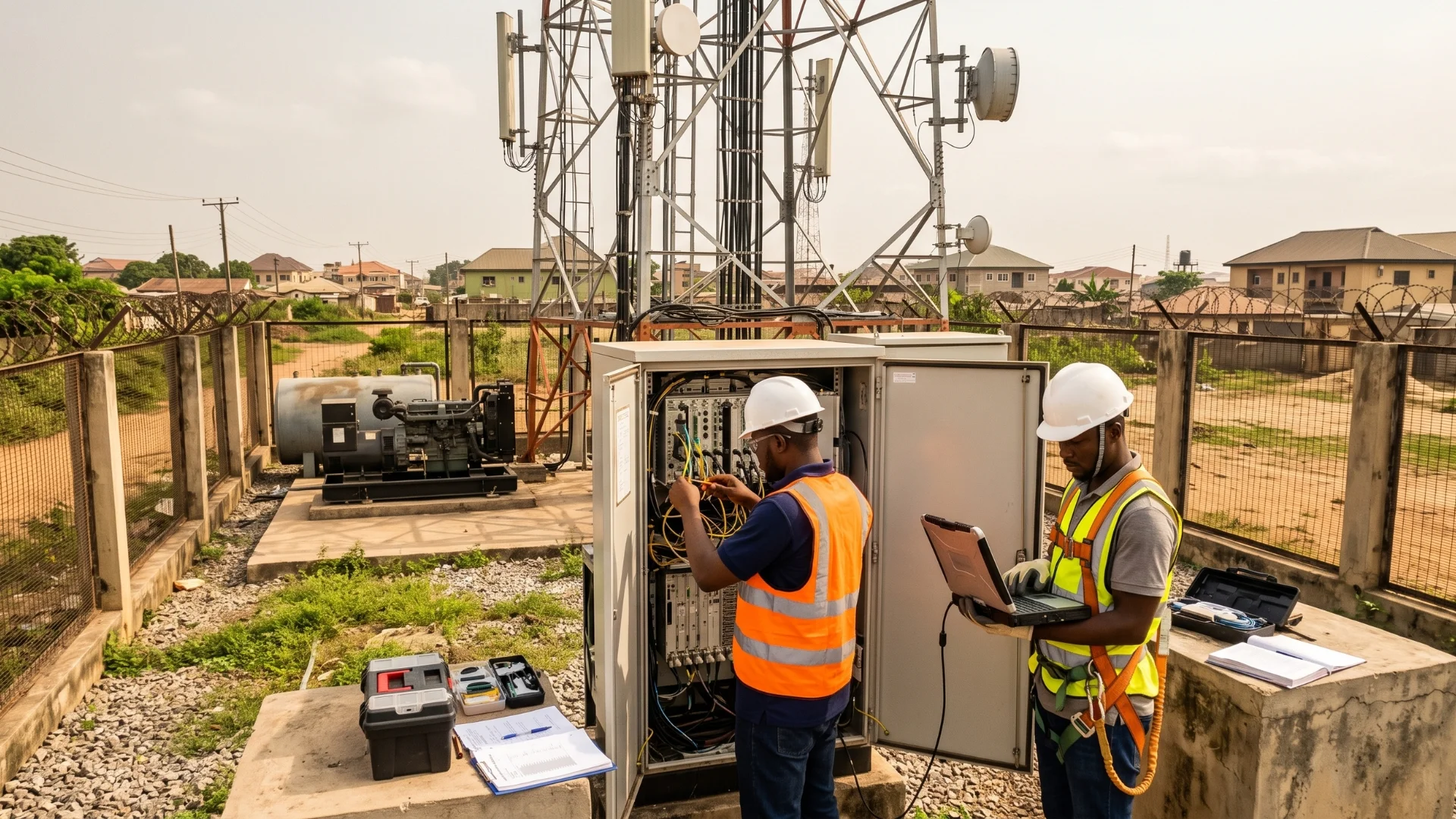
As Nigeria marked International Customer Service Week from October 5 to 9 under the global theme “Going the Extra Mile,” the telecommunications industry found itself at the centre of a familiar question: whether the billions of naira flowing into network infrastructure are translating into the service experience that nearly 190 million active mobile subscribers expect.
Data published by the Nigerian Communications Commission shows that the country’s four major mobile network operators recorded 413,587 consumer complaints in the first half of 2026 alone, covering voice and data quality, billing disputes, data depletion, failed payment transactions and SIM-related issues. Airtel Nigeria accounted for 228,992 of those complaints, MTN recorded 124,405, Globacom had 56,810 and T2mobile logged 3,885.
The operators reported resolving 406,938 cases, a resolution rate of 98.38 per cent according to the NCC, though the sheer volume of unresolved grievances continues to shape public perception of the sector.
At the Commission’s first media interactive forum of 2026, NCC Executive Vice Chairman Dr Aminu Maida acknowledged that service delivery across the industry had not yet reached the regulator’s desired standard. He noted, however, that independent crowd-sourced data indicated improvements in user experience, and that quality-of-service complaints had dropped sharply since the 2025 tariff adjustment, falling from 351,000 in the corresponding period to about 75,000.
The investment side of that equation is accelerating. According to the Association of Licensed Telecom Operators of Nigeria, mobile network operators and tower companies collectively invested ₦2.53 trillion in capital expenditure on network infrastructure in 2025, with a further ₦1.86 trillion earmarked for 2026. The NCC disclosed that operators have committed to adding and upgrading more than 12,000 telecom sites within the year, and that power availability at tower sites has improved from a national average of 99.3 per cent in January 2025 to 99.7 per cent currently.
The spending is spread across the sector. MTN Nigeria, the country’s largest operator by subscriber count, spent ₦620.5 billion on capital expenditure in the first half of 2026 and has deployed more than ₦1.62 trillion in network infrastructure since January 2025, according to its Chief Financial Officer Modupe Kadri.

Airtel Nigeria committed approximately $168 million in capital expenditure in the year ended March 2025, directed toward coverage expansion and 5G readiness, while Globacom has embarked on what it describes as a multi-billion naira upgrade programme that includes hundreds of new 4G LTE base stations and fibre relocation across five major routes disrupted by road construction and vandalism.
But it is the demand side that explains why the investment has yet to close the gap. Network data traffic on MTN’s infrastructure alone grew 25.8 per cent in H1 2026, while average monthly data consumption per subscriber climbed 15.2 per cent to 14.8 gigabytes. Nationally, data consumption reached a record 1.66 million terabytes in July, up roughly 43.6 per cent year-on-year, according to NCC figures.
ALTON Chairman Gbenga Adebayo has previously noted that building a resilient network requires more than financial investment, pointing to fibre cuts, vandalism, theft of telecommunications equipment and restricted access to network sites as persistent obstacles that capital spending alone will not resolve.
Speaking at the Nigeria Digital Connectivity Investment Forum convened by the NCC in Abuja during the first week of October, Maida stressed that sustained investment was required to both expand telecommunications networks and improve the quality of experience for existing users, as mobile subscriptions are projected to rise from roughly 195 million to 350 million over the next decade.
The NCC’s compensation framework, which took effect in April 2026, now mandates automatic airtime credits for subscribers in areas where operators fail to meet prescribed quality-of-service standards. The Commission said it is engaging independent auditors to verify operators’ compliance with the directive.
MTN has already begun acting on the framework. Recently, subscribers received SMS notifications of automatic airtime credits compensating for network quality deficiencies recorded between February and April 2026. The credits, which reportedly ranged from ₦20 to ₦1,436, follow directives from the NCC and the Federal Competition and Consumer Protection Commission, which require operators to compensate users affected by prolonged or repeated service failures. MTN confirmed that the programme covers quality-of-service disruptions, and said the approved compensation had been applied to eligible lines.
For subscribers, the gap between infrastructure spending and everyday experience remains the measure that matters. Whether the industry’s record capital outlays can close that gap before patience runs thin will define what comes next for Nigeria’s telecommunications sector.

