 Follow Us on Google News


 Follow Us on Google Discover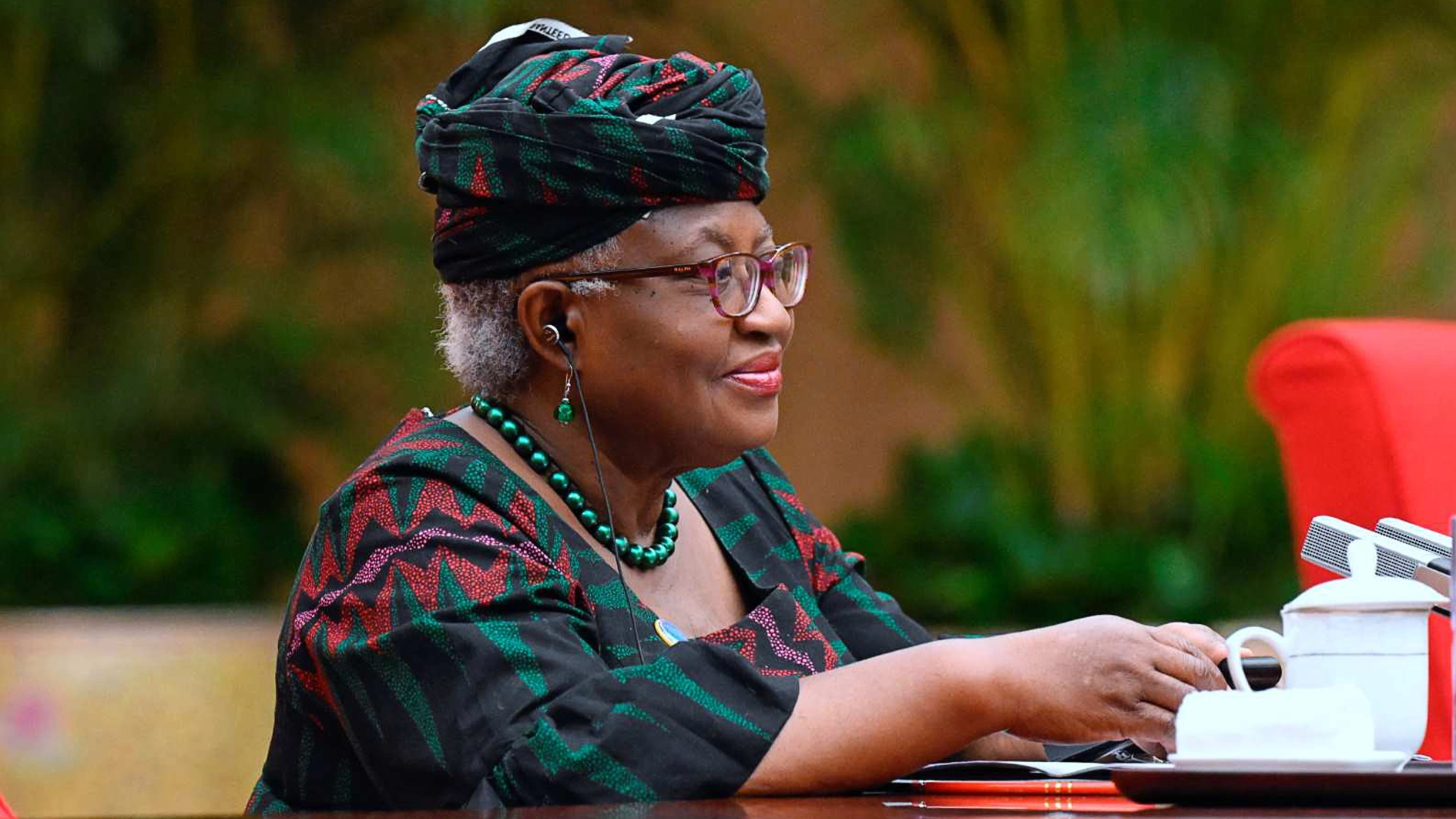
The World Trade Organisation (WTO) has warned that failure to modernise and strengthen the global trading system could leave the world economy up to 10 per cent smaller by 2050, while deeper multilateral cooperation could increase global Gross Domestic Product (GDP) by about 2.9 per cent.
The warning is contained in its recently released 2026 World Trade Report, titled A Critical Juncture for the World Trading System.
According to the report, strengthening the multilateral trading framework could raise global GDP by 2.9 per cent and increase global exports by 17.9 per cent by 2050, compared with the baseline trajectory.
The report said the strengthened framework would involve broader market-opening commitments, new multilateral disciplines covering digital trade and services, wider membership and a calibrated approach to balancing trade openness with security concerns. It further noted that the potential gains from stronger cooperation would be significant for developing economies, particularly least-developed countries (LDCs), which currently account for less than one per cent of global trade. Under the strengthened multilateral scenario, LDC GDP is projected to rise by 7.7 per cent, largely due to reductions in tariffs and other trade costs.
High-income economies would also record substantial gains, with projected GDP increases of about $1.7 trillion in 2023 dollars, driven particularly by lower trade costs in services. The WTO, however, warned that erosion of multilateral trade rules could reverse many of these gains.
It modelled two scenarios involving weaker multilateral cooperation. In a “geo-fragmented world”, where trade cooperation is organised around geopolitical blocs, global GDP could decline by 5.1 per cent and exports by 18.6 per cent by 2050.

In another scenario, where multilateral cooperation is replaced by a network of free trade agreements, global GDP could fall by 6.9 per cent while exports could decline by 26.9 per cent.
The report further noted that the difference between stronger multilateral cooperation and erosion of the rules-based trading system represents an opportunity cost of roughly five to 10 per cent of global real GDP, depending on the scenario.
WTO Director-General Ngozi Okonjo-Iweala said the multilateral trading system had delivered significant benefits over the past 80 years, contributing to a more integrated and resilient global economy. She said about 72 per cent of global merchandise trade still takes place under the WTO’s most-favoured-nation terms.
“The global trading landscape has changed significantly but the founding logic of the system, that all economies are better off cooperating rather than acting unilaterally, remains as relevant today as ever,” she said. She added that WTO members were actively engaged in reform discussions, recognising that the status quo could not be maintained.
The report said the current pressures on the multilateral trading system were partly a consequence of the system’s own success. Over the past eight decades, the system had helped reduce trade barriers, supported an almost 50-fold expansion in global trade and created a more open, integrated and rules-based global economy.
However, the report identified four major developments complicating international trade cooperation: shifts in economic power; increased government intervention, including industrial policy and concerns over level playing fields; changes like trade driven by digitalisation, global value chains and environmental transformation; and rising geopolitical tensions. These developments, it said, have made it necessary to adapt the global trading system to changing economic realities.
It stressed that reform does not necessarily mean preserving the status quo, but rather adapting rules-based cooperation to a more integrated, multipolar and diverse global economy while retaining the openness, predictability and fairness that have underpinned the system’s development.
Launching the report at the WTO Public Forum in Geneva, Okonjo-Iweala said the current challenges facing global trade could provide an opportunity to renew and revitalise the system. She said the report is intended to provide evidence to support ongoing efforts by members to ensure that global trade rules remain fit for purpose amid changes in the global economy.

