 Follow Us on Google News


 Follow Us on Google Discover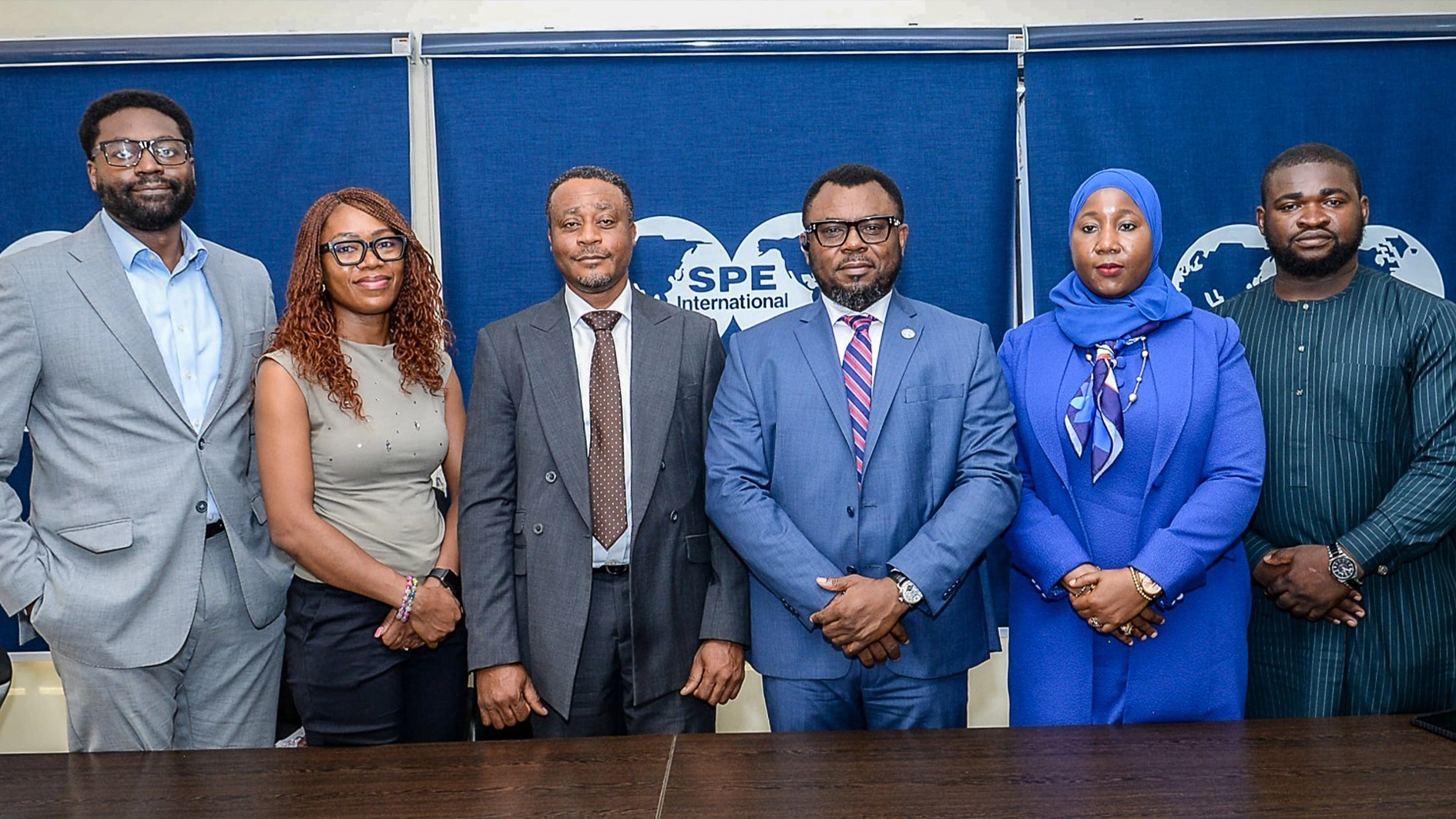
The Society of Petroleum Engineers (SPE) Nigeria Council has warned that Nigeria’s ambition to exceed three million barrels per day (mbpd) crude production may remain elusive unless policy gaps are closed and implementation failures across the petroleum value chain are urgently addressed.
The Council said the country’s push for more production must move beyond headline ambition to a more coordinated framework anchored on regulatory coherence, disciplined capital deployment and intelligent operational systems.
Chairman of the Council, Francis Nwaochie, stated this at the pre-OLEF press conference in Lagos on Tuesday, stressing that Nigeria’s energy future depends more on execution than aspiration.
He noted that global geopolitical tensions, supply chain disruptions and price volatility were reshaping energy markets.
According to him, the country’s production discourse should be treated as a strategic signal rather than a public relations benchmark.
“So, for Nigeria, this is not just merely what we call headline news; it reinforces the need for resilience, the need for efficiency, and long-term planning in our petroleum sector,” he said.

Nigeria currently produces between 1.5 and 1.7 mbpd, significantly below the widely-discussed 3mbpd aspiration. Nwaochie described the ambition as a long-term target shaped by technical, regulatory and market realities, including Organisation of Petroleum Exporting Countries (OPEC) quota limits.
He explained that output expansion depends on addressing three major production constraints – idle wells, declining mature fields and limited reserve replacement.
The Council noted that the ongoing idle well restoration programme being driven by the Nigerian Upstream Petroleum Regulatory Commission (NUPRC) represents a strategic step toward recovering stranded production.
Pressure decline in ageing fields, he noted, also remained a scientific and engineering challenge requiring enhanced recovery techniques such as water and gas injection to stabilise reservoir performance.
He stressed that industry activity indicators have improved, with approximately 42 rigs reportedly operating across the country, reflecting growing exploration and development momentum.
However, Nwaochie warned that production gains could be eroded if investment confidence is weakened by regulatory ambiguity.
“Technology and capital must operate within a coherent regulatory environment. When approval processes are slow, or mandates overlap, investment momentum weakens,” he said.
He added that unclear fiscal terms tend to slow private capital inflow into high-risk upstream projects.
The SPE council head said the 2026 Oil and Gas Leadership Energy Forum (OLEF), scheduled for April 9 in Abuja, would focus on translating policy conversations into operational outcomes.
The forum is expected to convene regulators, operators, investors and technical professionals.

