 Follow Us on Google News


 Follow Us on Google Discover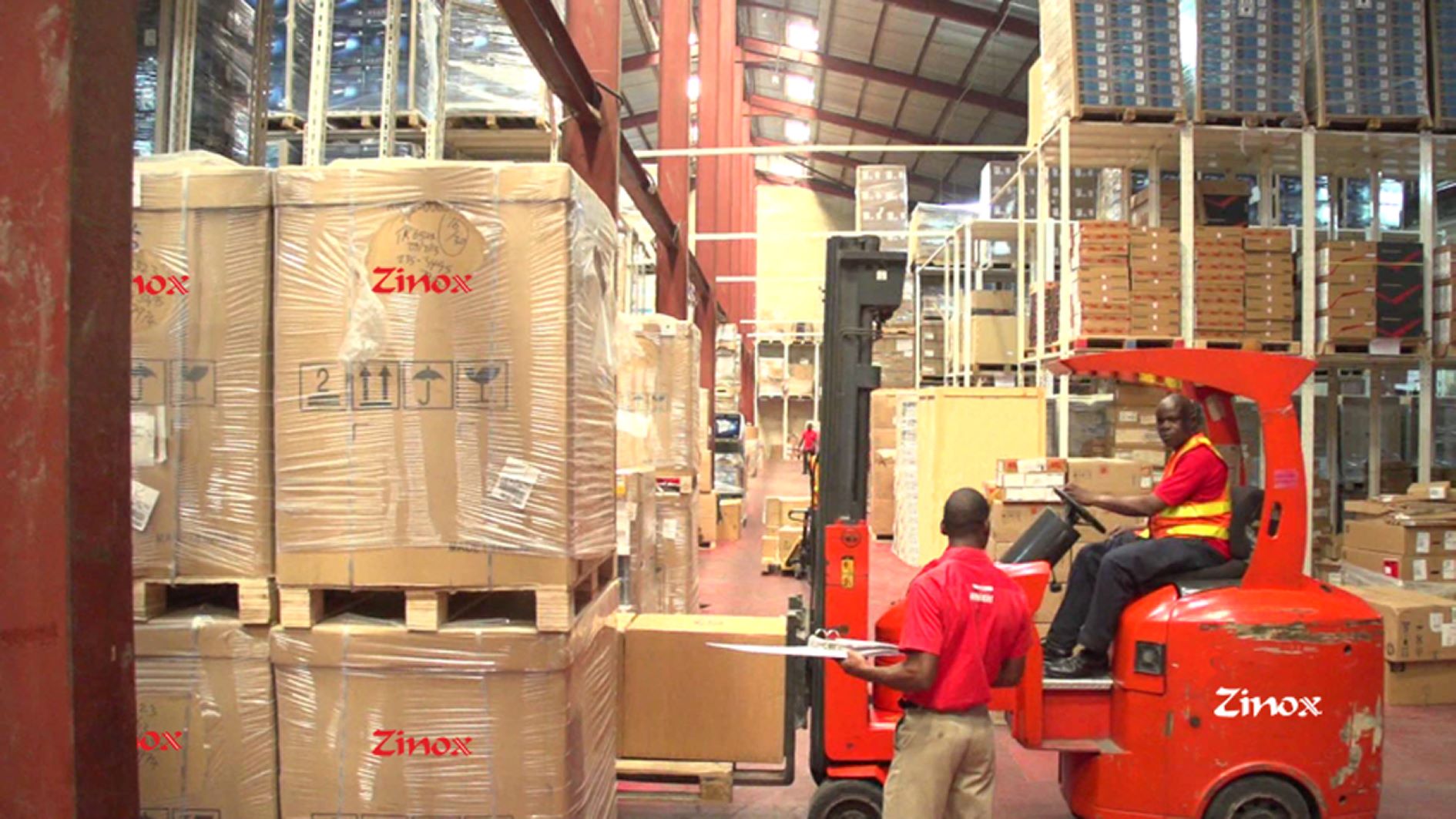
The effect of the Middle East has continued to settle across the board as global smartphone shipments fell six per cent year-on-year in the first quarter of 2026, owing also to a surge in memory chips driven by artificial intelligence.
Preliminary data from Counterpoint Research’s Market Monitor showed that a tightening supply of key memory components, particularly DRAM and NAND, has emerged as the dominant pressure point.
Major memory manufacturers have increasingly shifted production toward high-margin AI server chips, leaving smartphone makers struggling to secure essential components for devices across all price tiers.
This challenge has been further exacerbated by the ongoing instability in the Middle East, which has pushed up energy and logistics costs while weakening consumer confidence globally.
Amid this crisis, Zinox Technologies has rallied the industry in support of local operators.
The firm noted that the current global instability serves as a final warning. It stressed that if international trade routes remain fractured, the nations left standing will be those that can produce what they consume.

As such, Zinox claims to offer a roadmap for local transformation, stressing that as Nigeria navigates an increasingly unpredictable 2026, the message is clear: the future belongs to the builders.
According to it, to survive the next global shock, Nigeria must stop shopping the world and start building at home.
Already, Zinox boasts of the region’s only computerised digital assembly plant, and has spent over two decades proving that “Made in Nigeria” is a viable economic strategy.
Through brands like iPower (renewable energy) and iTEC (electronics), Zinox addresses Nigeria’s chronic power deficit with solar solutions tailored for the local environment.
It emphasised that every device assembled locally reduces the pressure on foreign exchange reserves, protecting the Naira from the “import-inflation” trap.
Beyond manufacturing, the company has seeded an entire ecosystem of logistics, maintenance, and technical services, creating thousands of jobs and transferring vital technical knowledge to the Nigerian workforce.
Following the decline in smartphone shipments, Original Equipment Manufacturers (OEMs) have reduced production, postponed product launches, and adopted more conservative pricing strategies.
Consumers, facing economic uncertainty, have also held back on discretionary spending, further dampening demand.
Some manufacturers attempted to cushion the impact by front-loading shipments ahead of expected disruptions, but these efforts did little to offset the overall decline.
Senior Analyst at Counterpoint Research, Shilpi Jain, said: “The drop in shipments is largely due to memory suppliers prioritising AI data centres over consumer electronics.
This has squeezed margins for OEMs, forcing them to pass higher component costs to consumers, while broader economic uncertainty continues to weigh on demand.”

