 Follow Us on Google News


 Follow Us on Google Discover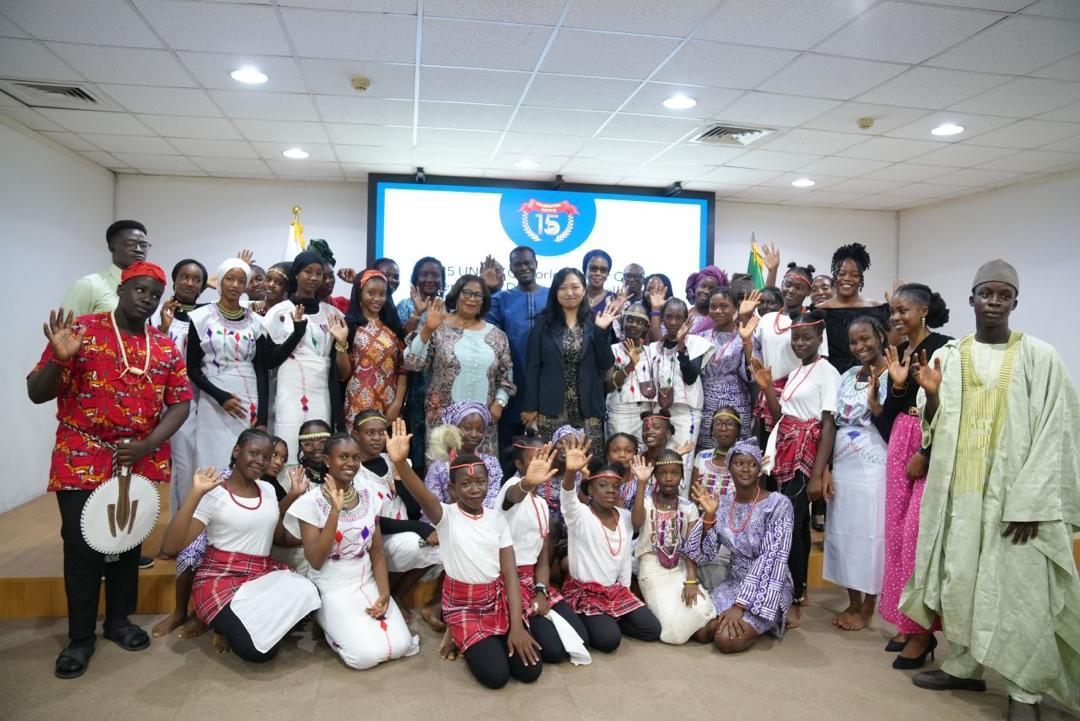
To enrich educational experiences, Youth Orientation for Development, in collaboration with the Korean Culture Centre Nigeria(KCCN), has advocated for the deliberate inclusion of history and cultural studies in school curriculums.
This initiative, according to them, is instrumental in combatting the gradual erosion of cultural identity and historical awareness among the youth.
The organizations emphasize that a robust education incorporating diverse cultural narratives and historical contexts is essential for fostering a sense of belonging and identity in students.
The recent call to action was made during the 2025 UNESCO World Day for Cultural Diversity for Dialogue Development, centred on the theme “Embrace the Journey, Shape Our Future,” held at the Korean Culture Centre in Abuja.
In an interview with The Guardian, the president of Youth Orientation for Development, Amb. Emmanuel Ejiogu, highlighted the importance of understanding and respecting both one’s own culture and the cultures of others in fostering cultural tolerance.
He emphasized that promoting cultural awareness can lead to a more harmonious society where diverse cultural backgrounds coexist peacefully and contribute to national development.

Ejiogu called on the government to invest in workshops, seminars, and collaborative projects aimed at engaging educators and students in meaningful discussions about the significance of culture and history in creating a well-rounded educational framework.
He expressed, “The younger generation needs to recognize that their culture is their identity and heritage. At the same time, we must embrace and respect the cultures of others. With greater funding from the government and private sector, we can do even more to encourage this engagement among over 50 attending students.”
The Culture and Events Officer of KCCN, Yunijin Lee, shared that over the past 15 years, the centre has been dedicated to hosting cultural events and fostering collaboration that bridges the gap between Nigerian and Korean cultures.
She pointed out that their partnerships with schools have enriched students’ understanding of cultural diversity through excursions and educational exchanges.
“There are paintings on display here created by children who frequently visit the centre to learn about Korean culture. This initiative has nurtured a sense of camaraderie between our two countries,” Lee noted.
The Cultural Events and Communication Officer at KCCN, Jennifer Ezeonyeasi, detailed their efforts in fostering collaboration through Memoranda of Understanding (MOUs) with various media organizations, such as AIT, which is currently showcasing K-drama, and the National Council for Arts and Culture (NCAC) to enhance cultural literacy and diplomacy.
Ezeonyeasi also mentioned that to reinforce cultural exchange, the centre arranges for at least one representative from a media house or cultural professional to visit Korea. Additionally, the Korean-Nigerian Youth Camp, which began in 2021 and continues into 2023, empowers Nigerian students with invaluable insights into how Korean companies operate in Nigeria.
“In the realm of sports, we collaborate with the Nigerian Taekwondo Federation for the Ambassador’s Cup, providing a platform for youth to compete and excel. Cultural diversity has been our core value for the past 15 years, and we remain committed to empowering Nigerian youth through the introduction of Korean culture,” she concluded.

