 Follow Us on Google News
 Follow Us on Google Discover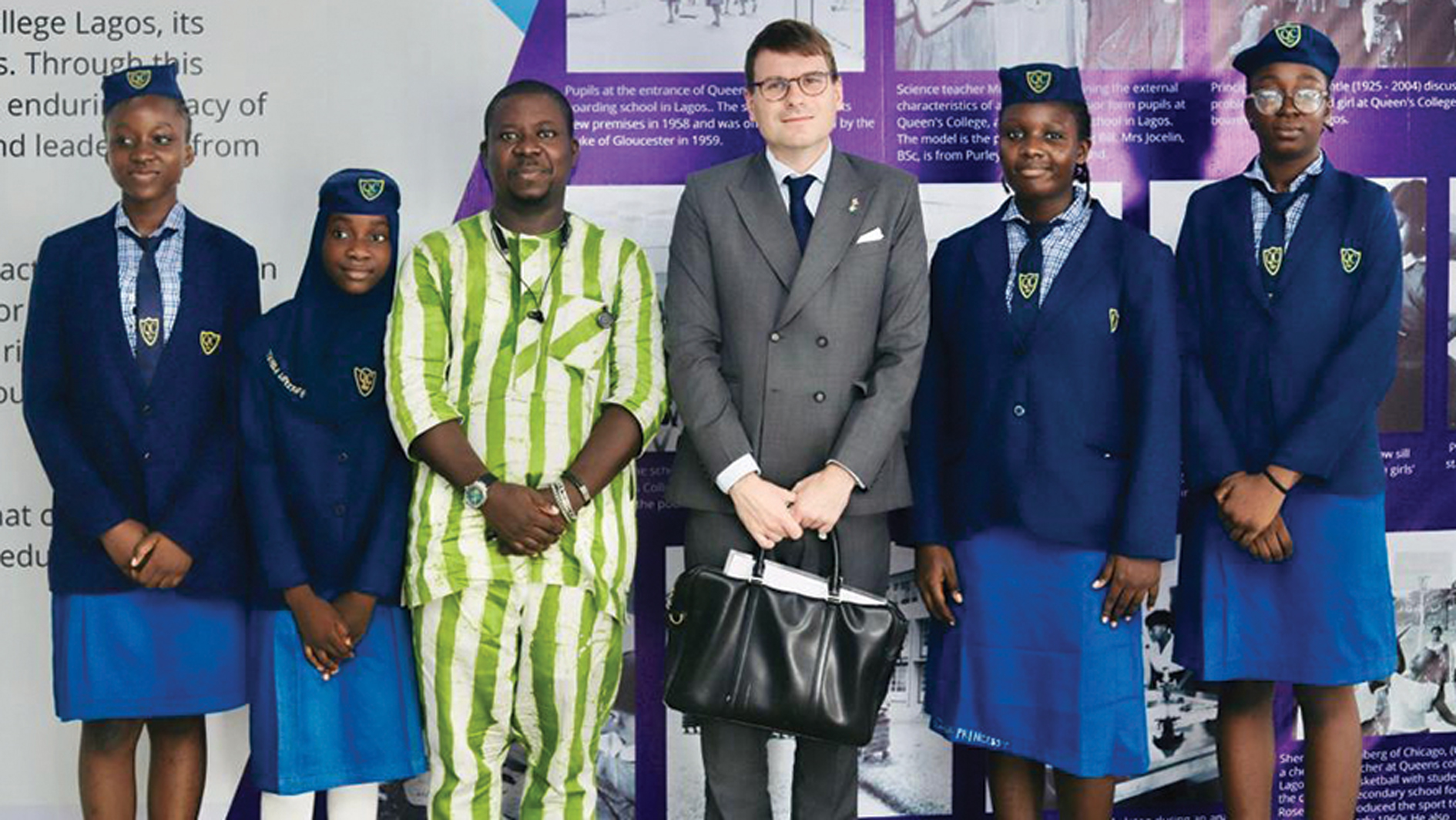
Stakeholders in education, development, and cultural preservation recently launched the HerStory of Nigeria school tour at Queens College, Lagos, with a focus on documenting and teaching the contributions of Nigerian women, which are largely absent from existing historical narratives.
The initiative, driven by ASIRI Magazine, combines in-school engagements and a digital advocacy programme to introduce students to the roles of women in Nigeria’s socio-political development.
It also unveiled an illustration-based magazine designed for accessibility among young learners.
The programme came amid concerns that history education has weakened in classrooms and public consciousness.
Speakers at the launch warned that gaps in historical knowledge, particularly around women, could affect identity formation and future decision-making.
Dr Oludamola Adebowale, Founder of ASIRI Magazine and curator of the project, said the initiative is anchored in what he described as a long-standing gap in how Nigerian history is taught and preserved, particularly regarding women.

He explained that his interest in the subject deepened after encountering archival materials on Nigerian women during a research engagement at Oxford University.
Those records, he said, were materials he had not previously come across despite his background in historical research.
Adebowale said the project was developed as a structured response to that gap, not only to retell stories but also to document and preserve them in a more accessible, research-driven format.
He added that the initiative includes developing a central digital archive where materials on Nigerian women can be accessed by students, teachers, and researchers.
He explained that the goal is to move beyond fragmented or informal sources.
“This is a legacy project building a unified digital repository that will serve generations to come,” he said.
Beyond Lagos, Adebowale noted that the project is designed as a nationwide intervention that will evolve over time.
He added that future editions will extend to other regions of the country with different historical themes.
He also emphasised the magazine’s accessibility. It will be available in both physical and digital formats, alongside an online platform where additional materials can be accessed.
He called for support from the government, the private sector and international partners to expand the initiative.

