 Follow Us on Google News


 Follow Us on Google Discover
For decades, many of Africa’s most pressing challenges, ranging from sickle cell disease and hypertension to food security, climate resilience and skills development, have attracted considerable research attention from institutions outside the continent. Increasingly, however, African researchers are taking the lead in defining research priorities, conducting studies and developing solutions that respond to local realities.
At the University of Abuja, that effort is becoming increasingly visible. The University currently hosts 16 ongoing international research grants supported by organisations including the US National Institutes of Health (NIH), the World Bank, the European Union, Innovate UK and the United Kingdom’s National Institute for Health and Care Research (NIHR). These projects bring University researchers into collaboration with leading institutions such as Johns Hopkins University, King’s College London, Northwestern University, New York University, Coventry University, Liverpool School of Tropical Medicine, Washington University in Saint Louis, Missouri US, and several other international partners.
Vice-Chancellor Professor Hakeem Babatunde Fawehinmi says the scale and diversity of the research is itself a strong statement that the global academic community and funders recognise “the quality of scholarship being produced at this University and trust our researchers to lead work that matters. The solutions to Africa’s challenges can and must come from Africa, and we are determined to play a leading role in developing those solutions.”
Advancing the Fight Against Sickle Cell Disease
Few health conditions illustrate the need for locally driven research more clearly than sickle cell disease. Nigeria bears the world’s highest burden of the condition, with millions of people living with the disorder and thousands of children born with it every year. The University of Abuja has become one of the country’s most active centres for sickle cell research. Seven ongoing international projects address the disease from multiple perspectives, including patient care, treatment access, clinical trials, capacity building and emerging technologies.
Among these is the Patient-Centred Sickle Cell Disease Management in Sub-Saharan Africa (PACTS) project, funded by the National Institute for Health and Care Research (NIHR). The project seeks to improve patient-centred management of sickle cell disease through implementation research, institutional capacity building, healthcare worker training, community engagement and improved public understanding of the disease.

Another major research project is SPARCNET (Sickle Pan-African Research Consortium Nigeria), an NIH-funded project that includes hospitals, universities and researchers across Africa to strengthen research collaboration and improve the quality of care available to sickle cell patients.
Complementing this effort is SPARCTRAIN, which focuses on developing the next generation of African sickle cell researchers, as well as ACCELERATE, a project designed to increase access to and utilisation of hydroxyurea, a medication shown to reduce the frequency and severity of sickle cell complications.
The portfolio also includes international clinical trials evaluating emerging therapies for sickle cell disease, as well as a European Union-supported project exploring the application of embedded artificial intelligence in health-related research.

Much of this work is being led by Professor Obiageli Nnodu, Director of the Centre for Sickle Cell Research and Training in Africa (CESRTA), University of Abuja, who has played an important role in the University’s emergence as one of the continent’s leading centres for sickle cell research.
“Our studies at the University is changing the paradigm and policy in the diagnosis and management of sickle cell disease in Nigeria and Africa. We are a foremost institution in training in multidisciplinary management of sickle cell disease, implementation science, clinical research, clinical trials, database management and genetic counselling,” Nnodu says.
Tackling Africa’s Silent Killer
The University’s contribution to global health research extends beyond sickle cell disease to cardiovascular health, particularly hypertension, often described as “the silent killer” because of its ability to cause severe complications before symptoms become apparent.
The disease remains the leading cause of mortality globally, with approximately 80 per cent of cases occurring in low- and middle-income countries such as Nigeria.
The cardiovascular research effort includes five internationally funded studies examining hypertension prevention, management and treatment in African populations.
Among them is ADHINCRA (Addressing Hypertension Care in Africa), an NIH-funded collaboration with Johns Hopkins University investigating how hypertension is detected, managed and treated across different African settings. Other studies focus on hypertension among people living with HIV, the impact of dietary salt consumption on cardiovascular health, treatment approaches in Nigerian populations and clinical trials evaluating interventions.
The wider programme also includes studies on hypertension treatment in primary healthcare facilities, cardiovascular health among mothers and children, salt reduction policies, integration of non-communicable disease care into HIV services and the training of the next generation of Nigerian cardiovascular researchers.
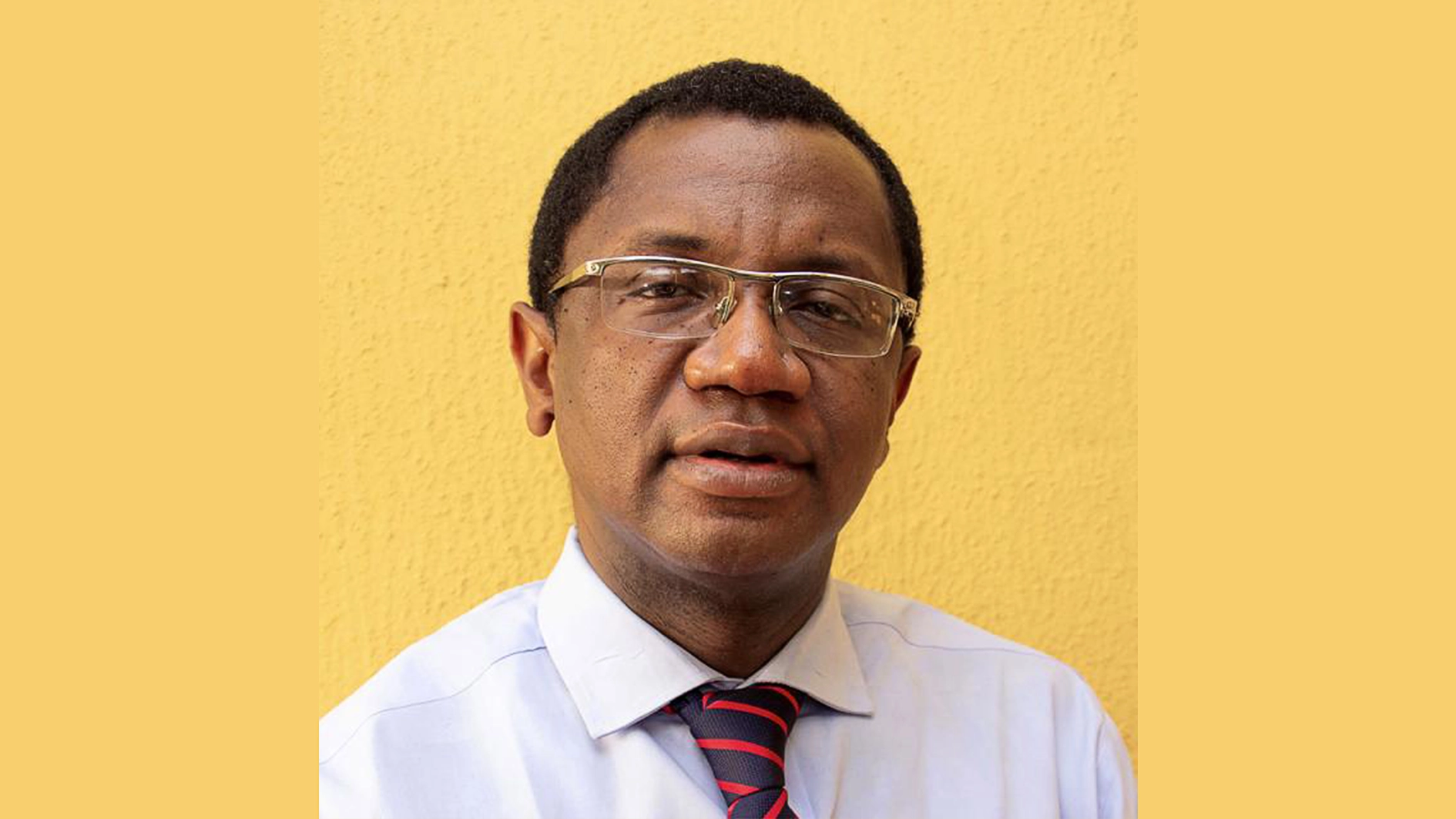
Professor Dike B. Ojji, Director of the Institute of Advanced Medical Research and Training (IAMRAT), who leads all of these studies and the University’s cardiovascular research programme, says, “Prioritising cardiovascular health at the primary care level is our focus at the Cardiovascular Research Centre of the University of Abuja. It is one of the key strategies that can help transition Nigeria’s health system from a reactive, crisis-driven model to one that is proactive, equitable and prevention-focused.”
Research Beyond the Health Sector
Agriculture, climate adaptation and workforce development are also areas of active interest among the institution’s researchers. One project, under Professor Kasim Waziri examines how conservation agriculture can help smallholder women farmers adapt to climate change and strengthen their resilience in the face of unpredictable environmental conditions. Conducted in partnership with King’s College London, the research addresses issues affecting millions of women whose livelihoods depend directly on agricultural production.
Another project by Professor Ishaya Musa Dagwa and supported by Innovate UK in collaboration with Coventry University, is concerned with transferring agricultural innovations from research institutions to farmers, businesses and communities. A refractive error study headed by Dr Muhammad Rilwan Chiroma extends the University’s contribution to eye health research.
In education and workforce development, Professor Hauwa Imam of the Faculty of Education anchors a World Bank-supported programme to strengthen technical and vocational education and training, helping equip young Nigerians with the skills required in today’s knowledge-driven economy.
Building a Research University
Taken together, these sixteen projects show that the University of Abuja has emerged as a major research institution, generating knowledge and developing solutions to challenges that affect millions of people across Africa.
For a continent seeking home-grown solutions to multiple complex problems, that may be one of the most important developments of all.

