 Follow Us on Google News
 Follow Us on Google Discover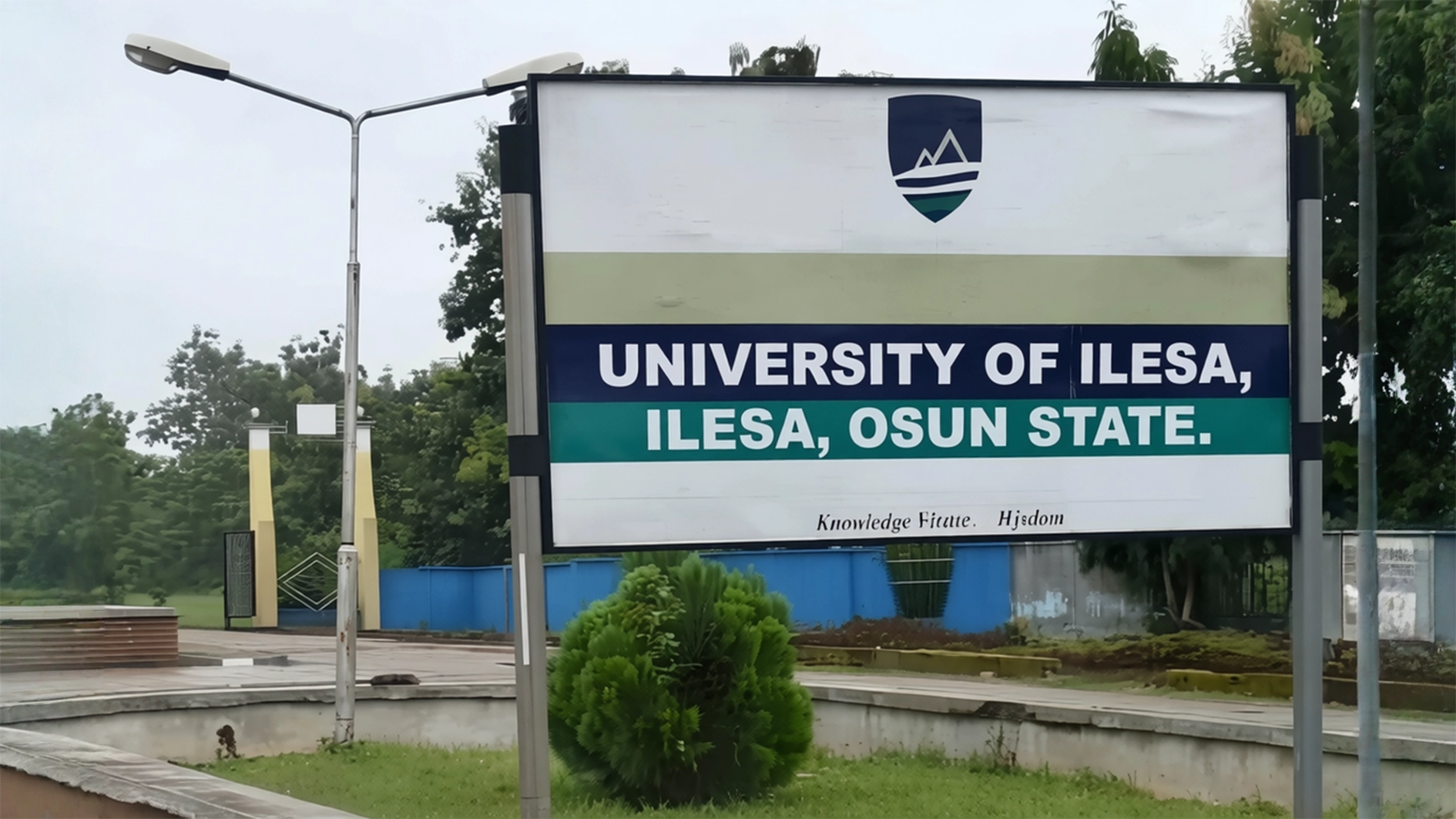
Scholars at the University of Ilesa, Osun State, have emphasised the need for education-driven solutions to address Nigeria’s security crisis.
The call was made at the maiden guest lecture of the institution’s Faculty of Arts, themed: ‘The Nigerian security quagmire and external intervention: Implications, lessons and way forward.’
In his keynote address, Prof. Alade Fawole, stressed that sustainable peace cannot be imported but must be cultivated through internal reforms, institutional strengthening, and strategic investment in education.
He warned that foreign military interventions, while sometimes framed as humanitarian, often carry deeper geopolitical interests.
Fawole cited the December 26, 2025, United States’ alleged bombing of terrorist bases in Sokoto State, which reportedly caused collateral damage in Offa, Kwara State, describing it as a violation of Nigeria’s sovereignty.
“The U.S. intervention is transactional, not humanitarian. External involvement of this nature carries serious consequences for national security and unity,” he said.

The scholar identified terrorism, insurgency, banditry, kidnapping, economic sabotage in the Niger Delta, land-grabbing, and maritime crimes in the Gulf of Guinea as complex threats requiring multidimensional responses.
“No amount of foreign intervention can resolve internal crises without proactive domestic governance,” he noted, urging renewed confidence in the Nigerian Armed Forces and a coordinated national strategy anchored on education, justice, and rehabilitation.
The Vice-Chancellor, Prof. Taiwo Asaolu, situated insecurity within broader governance and socio-economic failures, arguing that Nigeria’s security crisis is deeply intertwined with unemployment, corruption, weak institutions, and erosion of public trust.
Asaolu stressed that universities must serve as platforms for evidence-based solutions, generating research that informs public policy, while maintaining intellectual independence.
“The university must remain a sanctuary for truth and a marketplace of ideas,” he declared.
The Acting Dean of the Faculty of Arts, Dr Rahman Abdul-Azeez, described the lecture as a defining moment for the faculty and the institution.
Abdul-Azeez noted that insecurity is not just about arms and weapons; it is about history, identity, and social cohesion. Military strategies alone are insufficient,” he said.
The event was attended by security representatives, academics, students, and members of the public, with a consensus that Nigeria’s security crisis demands intellectual rigour, civic education, institutional reform, and youth empowerment.

