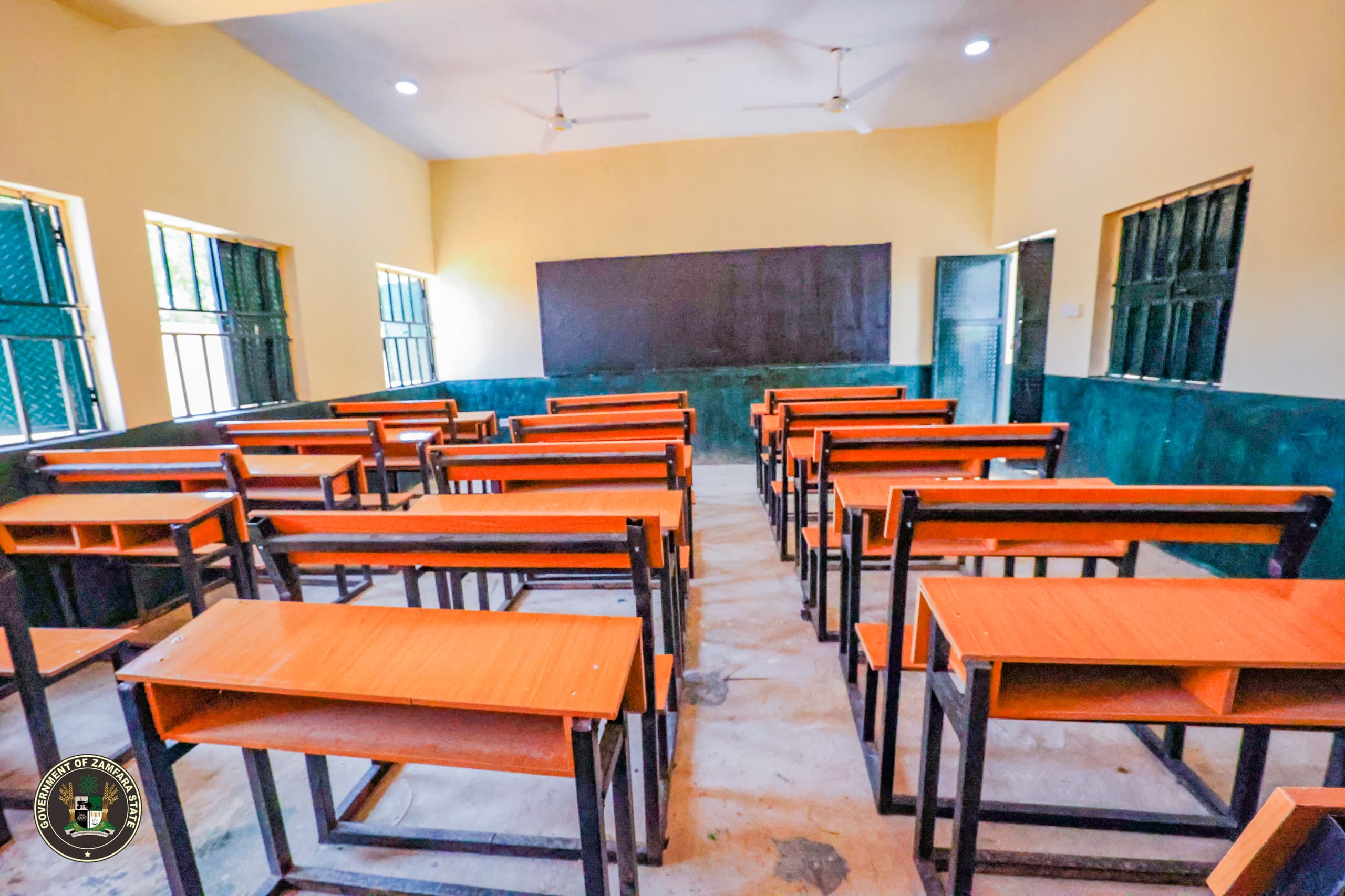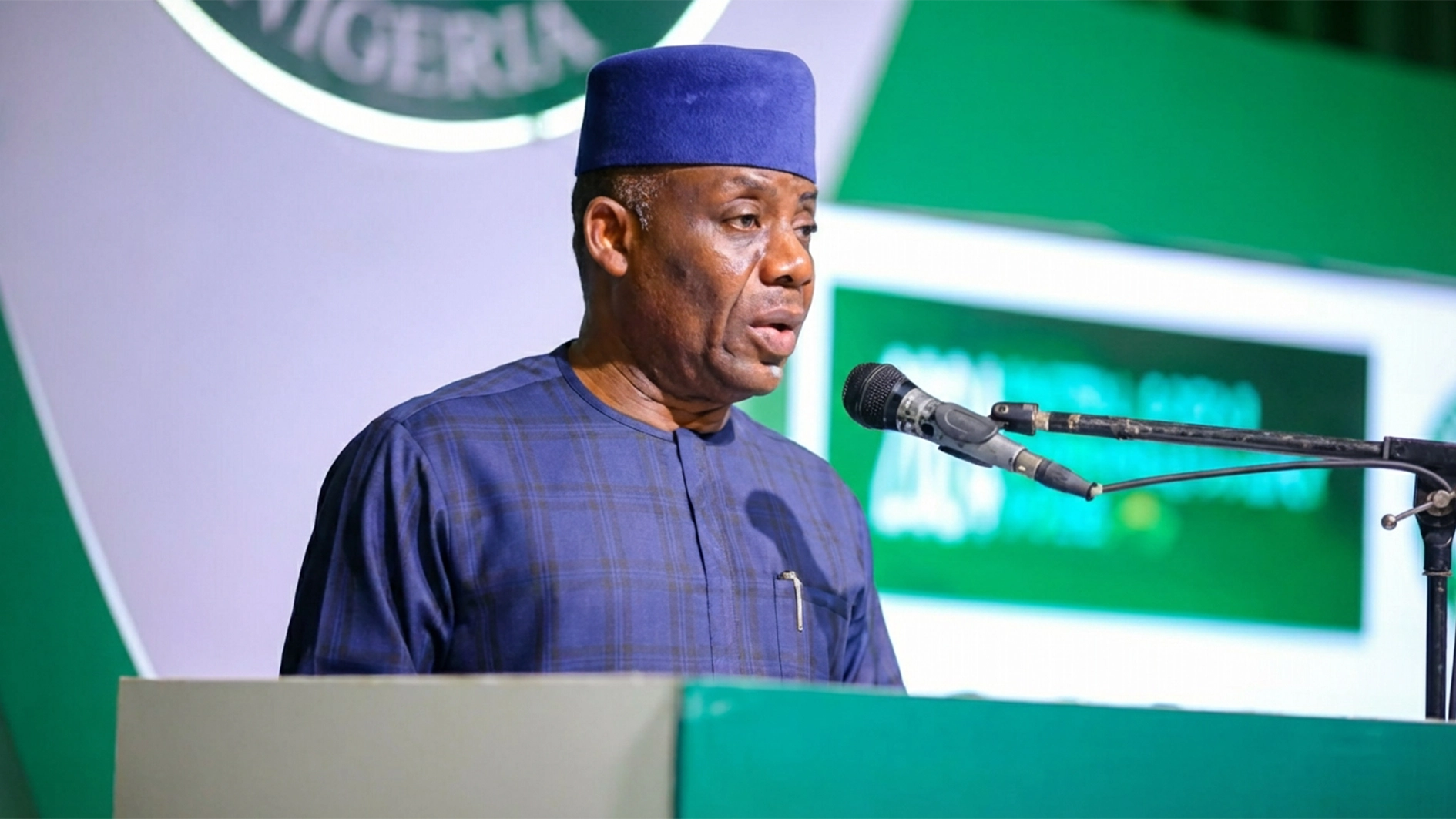
The Federal Government has announced plans to begin the nationwide implementation of a new drug and substance abuse policy specifically targeted at secondary schools.
The Minister of Education, Tunji Alausa, made the disclosure in Abuja on Monday during the unveiling of three new national education policy documents.
The policies according to the minister is a shift from policy formulation to implementation across the education sector.
Alausa said the drug abuse policy represents the first comprehensive national framework designed solely to address substance use among students in secondary schools.
According to him, the policy will focus on prevention, early identification, counselling, rehabilitation and disciplinary measures for habitual offenders.
“This is the first time Nigeria is developing a national policy and implementation guideline on drug and substance abuse in secondary schools, We must protect our youth. Addiction destroys lives, undermines learning and weakens the future of the nation.” he said.
Health and education authorities have in recent years expressed alarm over the steady spread of drug use among teenagers, with substances such as tramadol, cannabis, codeine-based cough syrups and methamphetamine increasingly reported in secondary schools.
Education stakeholders have linked the trend to rising cases of school dropouts, declining academic performance, violent behaviour and mental health challenges among students.
Under the new policy, drug education will be integrated into school programmes, while counselling and behavioural support services will be strengthened in public secondary schools.
The approach will also promote closer collaboration between school authorities, parents, health agencies and law enforcement bodies to encourage early intervention and sustained recovery.
Although the policy places strong emphasis on prevention and rehabilitation, Alausa warned that repeat offenders would face appropriate sanctions in line with existing regulations.
The drug abuse policy is part of a broader education reform agenda unveiled by the ministry, which also includes the National Teachers’ Policy and its implementation guidelines. Alausa said the government had adopted an “80 per cent implementation and 20 per cent policy development” model, noting that Nigeria already had several policies whose impact had been limited by weak execution.
“Policy is only a fraction of the work. Implementation is the real task,” he said, adding that state governments would be responsible for driving execution, while the federal government would provide technical support and resources.
As part of efforts to improve teacher quality, the minister said teacher training programmes were being digitalised and that a national digital platform for continuous professional development would be launched. He also said that all public school teachers would be fully licensed through the Teachers Registration Council to improve standards and accountability.
Speaking on behalf of state governments, the Kwara State Commissioner for Education and Human Capital Development, Lawal Olorungbebe, said implementation of the new policies would rest largely with the states. He noted that most of the implementation steps could be integrated into states’ 2025 project plans and budgets.
Olorungbebe pledged the commitment of education commissioners across the federation to ensure that the drug abuse policy and other reforms produce measurable results in secondary schools nationwide.
Development partners, including UNESCO and UNICEF, were commended by the minister for their continued support to Nigeria’s education sector, particularly in areas relating to teacher development, child protection and school health programmes.
The announcement comes amid growing public concern over student welfare and safety, following repeated reports of drug-related incidents, cultism and violence in secondary schools across several parts of the country. Education analysts have warned that the success of the policy will depend largely on adequate funding, availability of trained school counsellors, strong parental involvement and consistent enforcement.
The Federal Government said the implementation of the drug abuse policy in secondary schools will begin in phases from 2026, with monitoring mechanisms to track compliance and assess its impact on student behaviour and academic performance.