 Follow Us on Google News


 Follow Us on Google Discover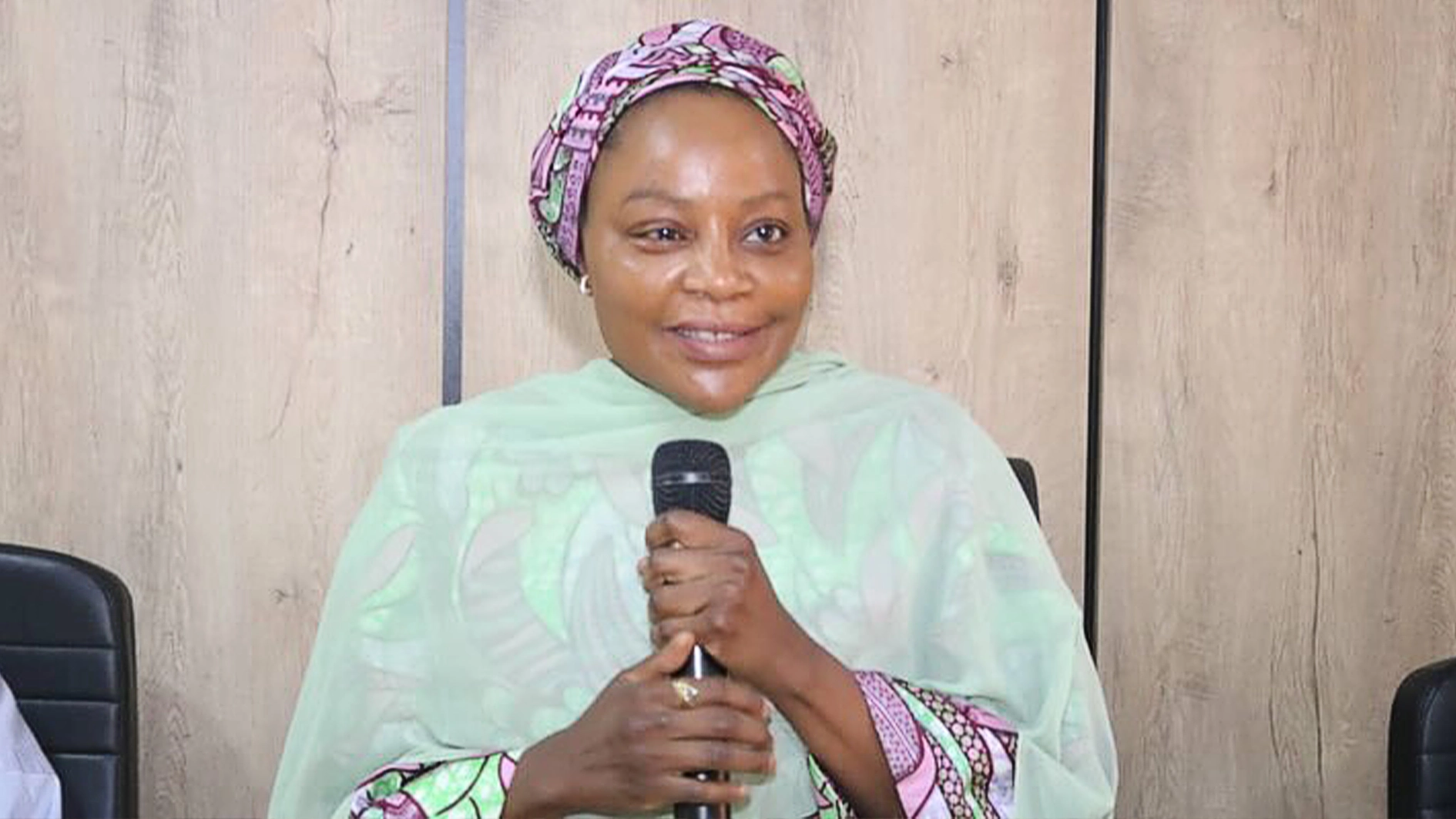
The Universal Basic Education Commission (UBEC) has disclosed that it has facilitated the mobilisation of more than N100 billion in previously unaccessed matching grants by states and the Federal Capital Territory (FCT), describing the development as a major milestone in efforts to revitalise basic education across Nigeria.
Executive Secretary of UBEC, Dr Aisha Garba, made the disclosure on Thursday in Abuja during a media luncheon with education correspondents, saying the funds are now being deployed to improve learning infrastructure, expand access to education and strengthen teacher quality nationwide.
Garba said unlocking the long-idle intervention funds has enabled state governments to embark on massive investments in school infrastructure and learning facilities, in line with UBEC’s 2025–2031 Strategic Blueprint and the Federal Government’s Renewed Hope Agenda.
According to her, the released funds have supported the construction of more than 4,600 classrooms, the renovation of over 6,100 classrooms, the provision of 2,780 toilets and 678 boreholes, as well as the supply of more than 334,000 pieces of school furniture across the country.
She added that UBEC had also facilitated the establishment of over 2,300 Early Childhood Care Development and Education (ECCDE) centres, aimed at giving young learners a stronger foundation for lifelong education.
The Executive Secretary said the Commission had invested more than ₦20.4 billion in teacher professional development, noting that improving teacher quality remains central to raising learning outcomes in public schools.

Garba further disclosed that UBEC is expanding Digital Literacy Centres nationwide, strengthening Smart Schools, promoting the teaching of artificial intelligence, coding and robotics, while modernising digital learning facilities to prepare Nigerian pupils for a technology-driven future.
She said the Commission has equally distributed over 7.8 million instructional materials to schools to improve literacy, numeracy and foundational learning.
Garba said UBEC is broadening access to education through Open Schooling, Integrated Qur’anic and Tsangaya Education, girl-child education and inclusive education programmes, while deepening partnerships with state governments, development partners and the private sector.
She also highlighted ongoing institutional reforms designed to improve transparency, strengthen project monitoring and promote data-driven decision-making to ensure that investments in basic education deliver measurable outcomes.
Garba called on the media to sustain balanced and constructive reporting on the education sector, stressing that government, communities, parents, teachers, development partners and the media all have critical roles to play in ensuring that every Nigerian child has access to safe, inclusive and quality basic education.
In his remarks, the Chairman, Education Correspondents Association of Nigeria (ECAN), Chuks Ukwatu, commended the UBEC boss for strengthening her engagement with the media, describing the initiative as a demonstration of the Commission’s commitment to transparency, accountability and public enlightenment.
Ukwatu said regular interaction between education correspondents and key agencies in the sector would deepen public understanding of government policies and programmes, while also promoting informed discourse on issues affecting basic education.
He assured the Commission of the association’s continued support in reporting developments in the education sector professionally, accurately and objectively, adding that the media would remain a strategic partner in advancing access to quality education and ensuring greater accountability in the implementation of basic education interventions across the country.

