 Follow Us on Google News


 Follow Us on Google Discover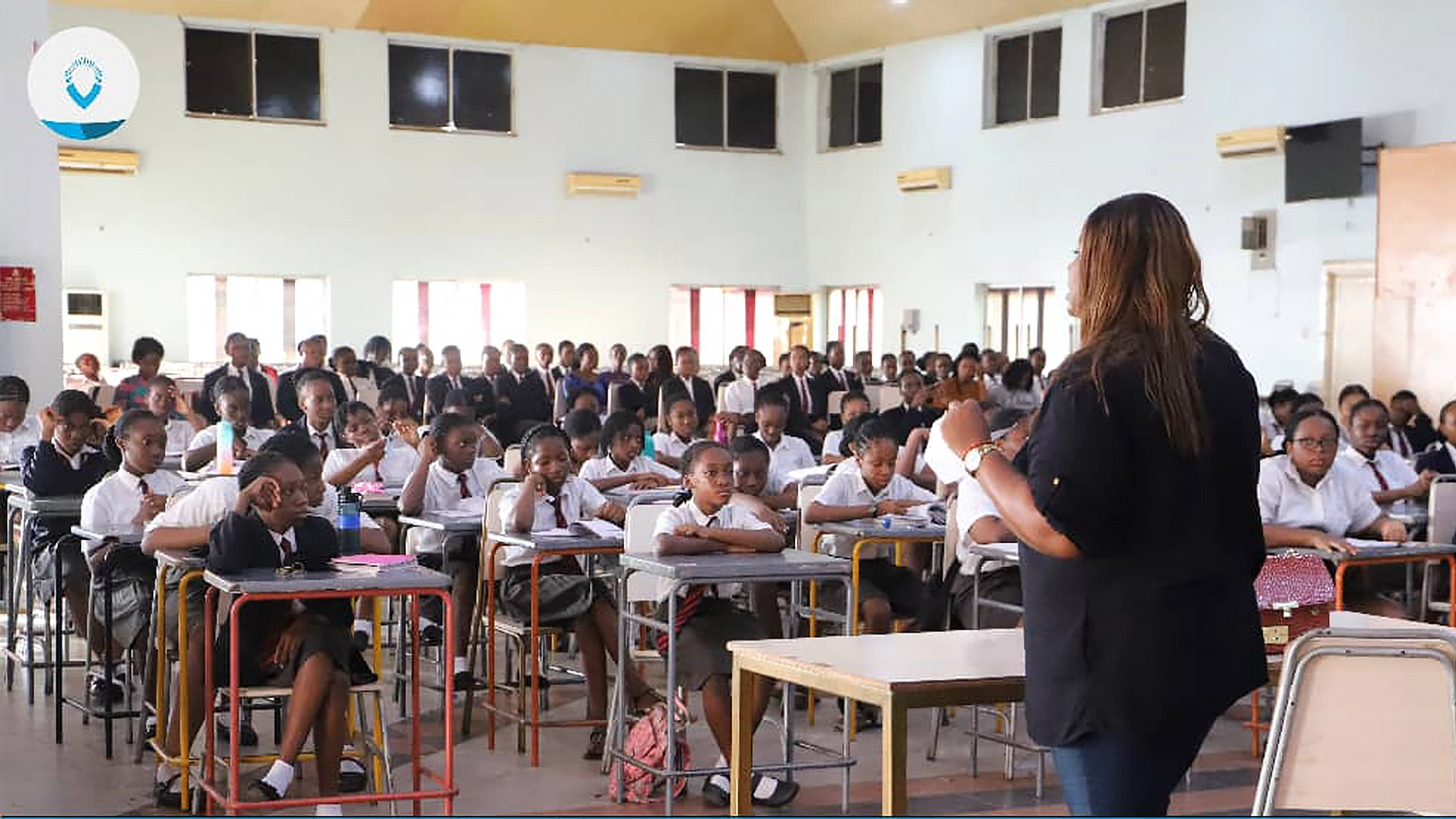
Students from Premiere Academy, Abuja, recently simulated a United Nations General Assembly session at the UN House, as part of the second edition of the Premiere Academy International Model United Nations (PAIMUN).
The event was organised in partnership with the United Nations Information Centre (UNIC), Abuja, and themed ‘Digital transformation of the educational sector as a driver of sustainable development.’
One hundred and nine students assumed the roles of ambassadors representing UN member states.
The session followed the procedural format of the UN General Assembly, and concluded with the presentation and adoption of a resolution by plenary rapporteur, Larissa Muftwang.
The proceedings opened with a pre-recorded goodwill message from UN Secretary-General, António Guterres, who noted that digital transformation is central to building a sustainable and equitable future.
Guterres noted that many countries have moved beyond traditional teaching methods by integrating subjects such as artificial intelligence, coding, and basic electronics into national curricula to prepare students for technology-driven jobs.

He described digital education as a tool for advancing the Sustainable Development Goals (SDGs), particularly Goal 4 on quality education.
“When digital tools are used, students in far-away villages can also be reached with the same high-quality information found in the biggest cities, helping to close the gap between the rich and the poor,” he said.
He also outlined persistent barriers, including the digital divide that leaves many rural and low-income areas without stable internet and electricity. He said some schools have devices such as tablets and laptops, but teachers have not been trained to use them for instruction.
Guterres added that reliance on foreign applications that do not reflect local languages, culture, and history remains a challenge in several regions. To address these issues, he urged member states to go beyond distributing computers and invest in intensive teacher training to develop digital expertise.
He called for the establishment of community technology centres offering free internet and solar-powered devices in underserved areas.
He also encouraged local tech experts to develop applications and lessons rooted in indigenous languages and history.
Speaking at the event, United Nations Resident and Humanitarian Coordinator in Nigeria, Ms Elsie Attafuah, said the summit served as a platform for young people to understand diplomacy, multilateralism, and the practice of dialogue and consensus-building.
Represented by the Country Head of the United Nations Population Fund (UNPF), in Nigeria, Muriel Mafico, she described the theme as timely and transformational, noting that the digital revolution has continued to reshape education, economies, and societies.
She cited data from UNICEF, showing that only about 36 per cent of Nigeria’s population uses the Internet, while 78 per cent of young people lack basic digital literacy skills.
She also noted that more than 10 million primary school-age children remain out of school, underscoring the scale of the education crisis and the urgency of digital solutions.
She acknowledged interventions by UN agencies to address these gaps and urged PAIMUN delegates to contribute ideas and resolutions to improve learning infrastructure in the country.
Attafuah encouraged students to use their roles on the committees to propose concrete ideas for expanding access to education through technology.
The Principal, Chris Akinsowon, thanked the UN Office for collaborating with the school to make PAIMUN a platform for learning and mentorship

