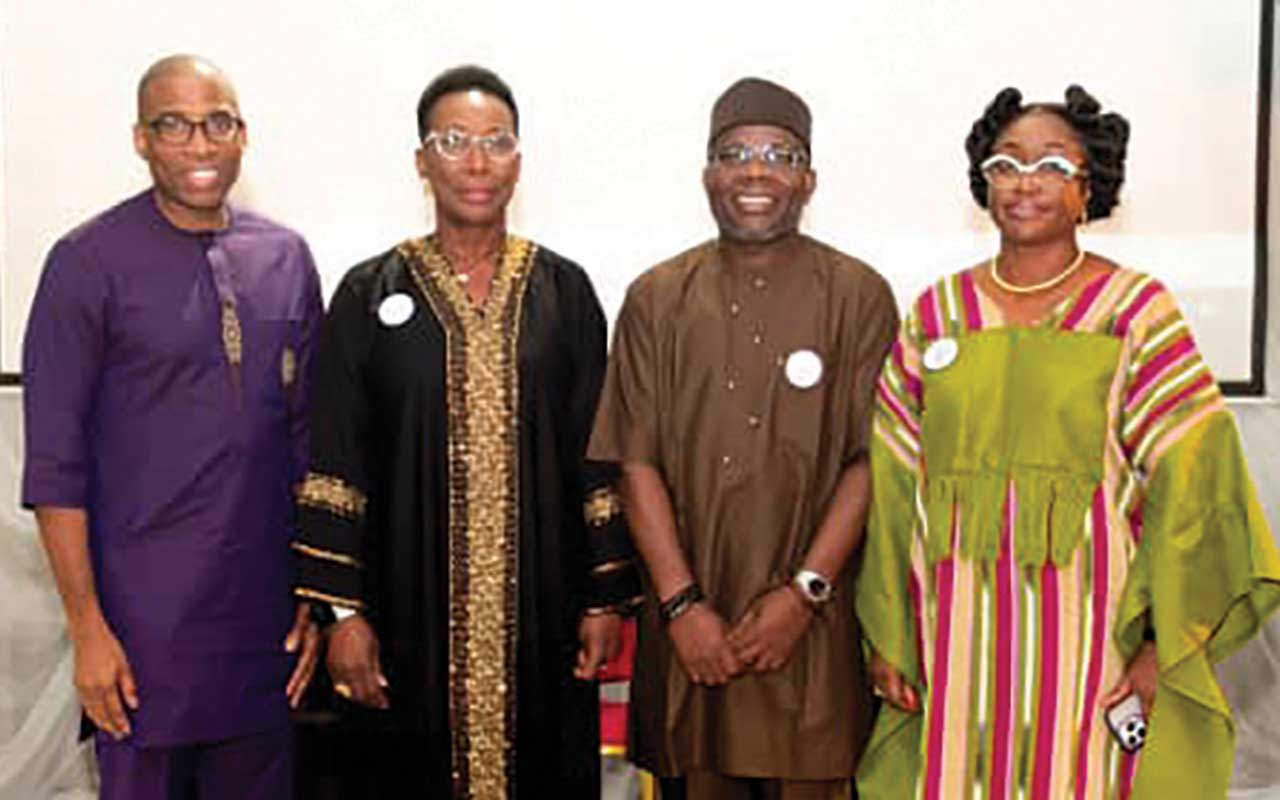
Thirty-nine-year-old Segun Aina, one of Nigeria’s youngest Professors of Computer Engineering, shares insights on the role of academia in driving national development, the power of technology in shaping the country’s future, and his own journey as a passionate educator and researcher. In this interview with IYABO LAWAL, he offers a unique perspective on the complexities of Nigeria’s development and the role of education in shaping the country’s future.
Congratulations on becoming one of Nigeria’s youngest Professors of Computer Engineering. What fuels your academic and research pursuits?
For me, research is about addressing local challenges and unlocking opportunities for growth. I believe we have immense potential to drive innovation and development. Many ground-breaking innovations and everyday appliances originated from research institutions or academia, and it’s fascinating to think about how past research has evolved into the technologies we use today.
In what ways has your upbringing and personal inclinations shaped your approach to teaching and knowledge transfer, and what motivates you to continue in this field?
Growing up in a family of academics has undoubtedly had a profound influence on my career path. My parents, both esteemed scholars in their own right, have been a constant source of inspiration.
My father, a professor, and my mother, a retired academic, instilled in me a deep respect for education and a passion for learning. While I may not possess their exceptional scholarly abilities, I have discovered my own strengths in teaching and knowledge transfer.
I find great joy in simplifying complex concepts and conveying them in a manner that resonates with students who may not be as naturally adept. Many academics excel in their field but struggle to connect with students who are not at the top of their class.
I, however, have found my niche in bridging this gap, and it is this ability to break down barriers and make knowledge accessible that drives my passion for teaching.
In what ways do you propose tackling research projects that fail to meet expectations, and what strategies would you employ to ensure research efforts yield meaningful outcomes?
This question resonates deeply with one of my core passions – bridging the gap between academia and industry – with the government playing a pivotal role. I firmly believe we must foster closer collaboration between these entities.
Currently, academia operates in relative isolation, and it’s imperative we create mechanisms for inter-institutional knowledge sharing and synergy. For instance, research conducted at University A should inform and complement research at University B.
The crucial aspect is assessing the value of research in addressing domestic challenges and its relevance to industry needs. Rather than academia working in a vacuum, I advocate for proactive engagement with industry stakeholders. Companies should share their pressing problems and challenges, and academia can respond with innovative, potentially unconventional solutions.
Globally, it’s acknowledged that only a fraction of academic research translates to practical applications. However, I believe Nigeria can defy this trend.
By fostering academia-industry partnerships, we can ensure our research yields tangible outcomes, addressing pressing national issues and driving growth. With Nigeria’s unique set of challenges, I am convinced we can optimise our research efforts to create more impactful solutions.
How can we enhance collaboration between academic institutions and industry to address the disconnect between theoretical knowledge and practical application?
I strongly believe that establishing platforms for dialogue between academics and industry professionals is vital. Industry representatives should be involved in curriculum development to ensure our academic programmes align with their needs.
By engaging with subject matter experts, we can determine the essential skills and knowledge required of graduates. For instance, what specific competencies do industry stakeholders expect from computer engineering graduates? By involving industry in this process, we can tailor our teaching to meet these expectations.
Furthermore, I advocate for integrating technical and vocational training into our university programmes to provide students with hands-on experience. While we have initiatives like internship programmes, I believe this should be a pervasive culture rather than an add-on.
By doing so, we can equip our graduates with the practical skills and knowledge that industry demands, ultimately bridging the gap between theory and practice.
In the light of the brain drain of Nigerian talent, what implications does this have for the country’s development?
Nigeria is endowed with an abundance of talent, and its large population ensures a significant pool of skilled individuals, even if only a fraction excel academically.
This reservoir of talent is both a blessing and a concern, particularly when witnessing the exportation of skills. However, there’s a notable reversal of the japa trend, with many Nigerians returning home, albeit with less fanfare.
Having made the decision to return 10 years ago, I can attest to the benefits and have no regrets. I often advise my students that opportunities abroad should be seen as a means to ultimately contribute to the growth and development of their homeland, making it the ultimate destination.
Considering Nigeria’s development goals, what areas can technology play a significant role in driving economic growth, and what opportunities does this present for the country’s progress?
Technology can be a game-changer for Nigeria’s economic growth, and I believe it can be approached from two main angles. Firstly, technology enables individuals to monetise and commercialise innovative solutions, giving rise to a new wave of entrepreneurs, inventors, and skilled professionals.
By automating tasks previously done manually, technology creates opportunities for people to acquire new skills, empowering them and having a ripple effect on the economy.
Secondly, technology plays a vital role in institutional development, enhancing the efficiency of systems and economies.
The recent introduction of new tax rules has led to the deployment of advanced technologies to analyse patterns, spending habits, and income flows, particularly in Nigeria’s largely informal banking sector.
By leveraging technology, we can effectively track and log economic activities, ultimately strengthening the country’s financial infrastructure.
Given your academic background and personal goals, in what ways do you envision making a meaningful impact in Nigeria, and what motivates you to contribute to the country’s development through academia?
I attribute my academic journey abroad to circumstance, but I believe it was meant to be. Initially, I planned to pursue only my undergraduate degree, possibly followed by a Master’s. However, I ended up completing both.
Throughout my studies, I knew my ultimate destination was Nigeria. Between my Master’s and PhD, I returned home to complete my National Youth Service, as I was keen to avoid any potential complications later. My decision to pursue a PhD led me to consider two primary paths: consulting or academia. Given my family background, academia seemed the more natural fit.
I chose to return to Nigeria to make a meaningful impact, rather than becoming a mere cog in the machine abroad.
I refrained from applying for jobs abroad after completing my PhD, knowing I wanted to lecture at a Nigerian university. I opted for a public university, believing it would allow me to reach a broader audience and make a more significant difference.
Regarding my contributions, I intend to continue making a positive impact in academia and the public sector through consulting and other initiatives where I can add value.
I firmly believe that Nigerians possess immense talent, comparable to, if not surpassing, that of individuals abroad. Our challenges are largely related to resources, infrastructure, and basic amenities, rather than talent or potential.
In which areas of your career do you encounter significant obstacles, and in what ways do these challenges impact your work as an academic and researcher?
As an academic and researcher, I face several challenges that can hinder my progress. One of the major hurdles is securing funding for research projects. However, I’ve developed strategies to overcome this by collaborating with industry partners and engaging in consulting work, which enables me to support my research endeavours.
Another significant challenge I face is the slow pace of institutional change, particularly in the university system. The curriculum review process, for instance, is meticulous and time-consuming, which can be frustrating in fields like technology, where developments occur rapidly.
To remain relevant, it’s essential to adapt quickly, and I’m working to find ways to innovate and adapt within the existing system. Despite these challenges, I’m committed to making a positive impact and finding solutions that can drive progress.
How do you guide and support your students, and what approach do you take to foster a productive mentor-mentee relationship?
As an academic, I have the opportunity to mentor students through various roles, including serving as an advisor for a particular class. While some interactions may be limited to administrative support, I’ve found that building a personal connection with students can lead to more meaningful relationships.
I believe mentorship should evolve naturally, allowing the mentor and mentee to develop a bond based on shared goals, aspirations, and values. Over the years, I’ve had the privilege of contributing to the growth of numerous students, guiding them through project supervision, and offering support as they navigate their academic and professional journeys. By taking a genuine interest in their development, I’ve been able to make a positive impact on their lives and careers.
The mass emigration of lecturers from Nigerian universities has been a pressing concern in recent years. What are your thoughts on this trend, and what strategies do you think could be employed to stem the tide?
I don’t envy the people who are tasked with the responsibility of governing us at the moment because it’s a really tough cookie. I understand both sides. I’m sympathetic to both sides. I think one of the obvious things, which may not necessarily be popular politically, but from an academic standpoint, we need to deregulate the education sector a little bit. It is highly regulated and subsidised.
But we have a situation where students are not paying what it costs to receive the education they are receiving. It means that the system cannot properly finance the right talent to deliver that education. It also means that people are able to procure education so cheaply here, and then export their talent to make much more elsewhere.
Again, an unpopular political opinion, but I feel like the sector should be deregulated. Universities should have more autonomy; autonomy over more parts of their curriculum, and in the area of administration.
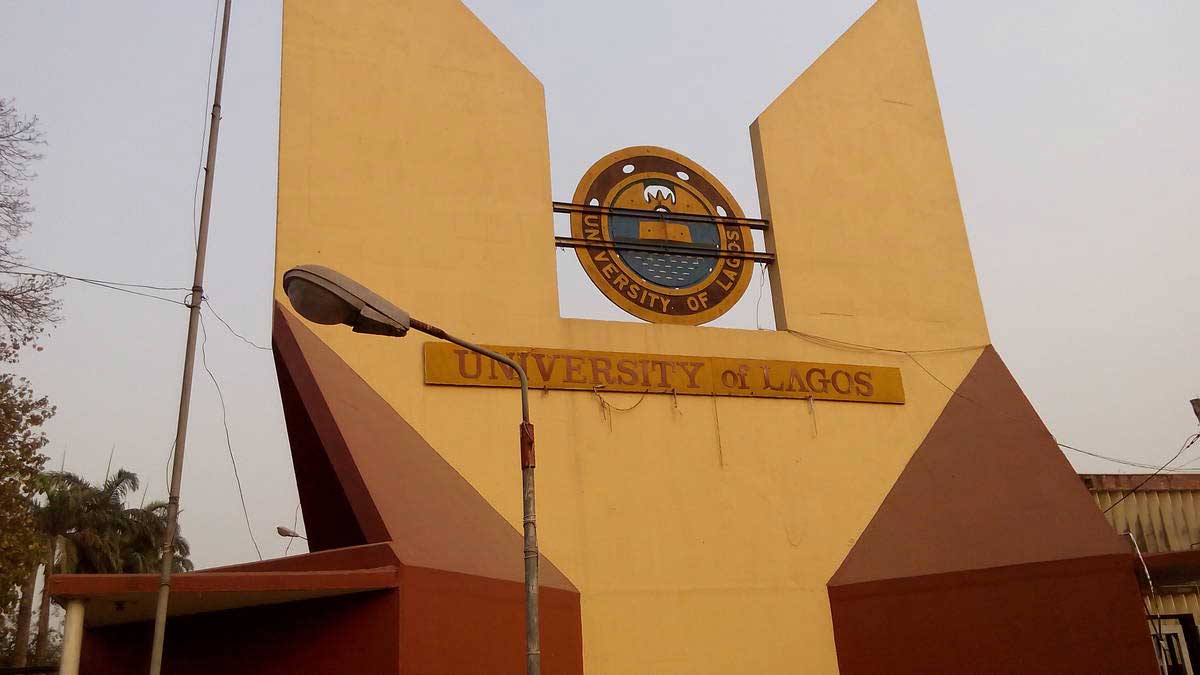
Let it be an open fight. Let it be known that, if you want to talk about Computer Engineering, go to OAU; if you want to read law, go to the University of Lagos (UNILAG), and let them be priced appropriately.
A university lecturer who lives in Ife, where the cost of living is a particular amount, should not necessarily earn the same amount as somebody who lives and works in Port Harcourt or Lagos, which is obviously more expensive than Ife.
But if the quality of the particular programme in Ife is better, then the price will be driven by the demand, so I think that’s autonomy and that’s the deregulation.
For us to really get started in the system, we need to deregulate and have more autonomy. It is important.
In what ways do you envision leveraging your skills and expertise to address pressing national challenges, particularly in areas such as data development and bridging the industry-academia gap, and how do you plan to collaborate with stakeholders to drive meaningful impact and improve the lives of Nigerians through technology?
In any society, there are numerous challenges, and rather than focusing on one specific issue, I’d like to highlight areas that I’m particularly passionate about. Nigeria faces significant challenges relating to data and bridging the industry-academia gap, both of which I am deeply committed to addressing.
More broadly, I reaffirm my commitment and availability to collaborate with stakeholders in related fields to tackle pressing issues that impact the majority of Nigerians. Technology, by its very nature, aims to simplify our lives. Therefore, I am willing to dedicate my time, efforts, and resources to support stakeholders in resolving issues that can improve the lives of a significant number of people.