 Follow Us on Google News
 Follow Us on Google Discover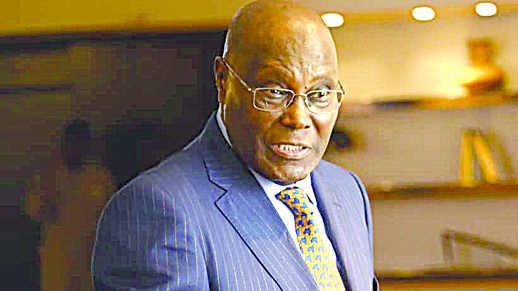
Former Nigerian Vice President, Atiku Abubakar, has spoken on the frequent electricity and gridlock troubles facing the country in recent times.
[ad]
Atiku pointed to structural reforms as the only sustainable solution, advocating for the removal of electricity from the Exclusive Legislative List. This change, he argues, would allow states to generate, transmit, and distribute power independently, insulating them from federal disruptions.
“An industrial dispute with the Federal Government in the nation’s capital should not affect industrial activities in any of the states or cities of the country,” Atiku noted.
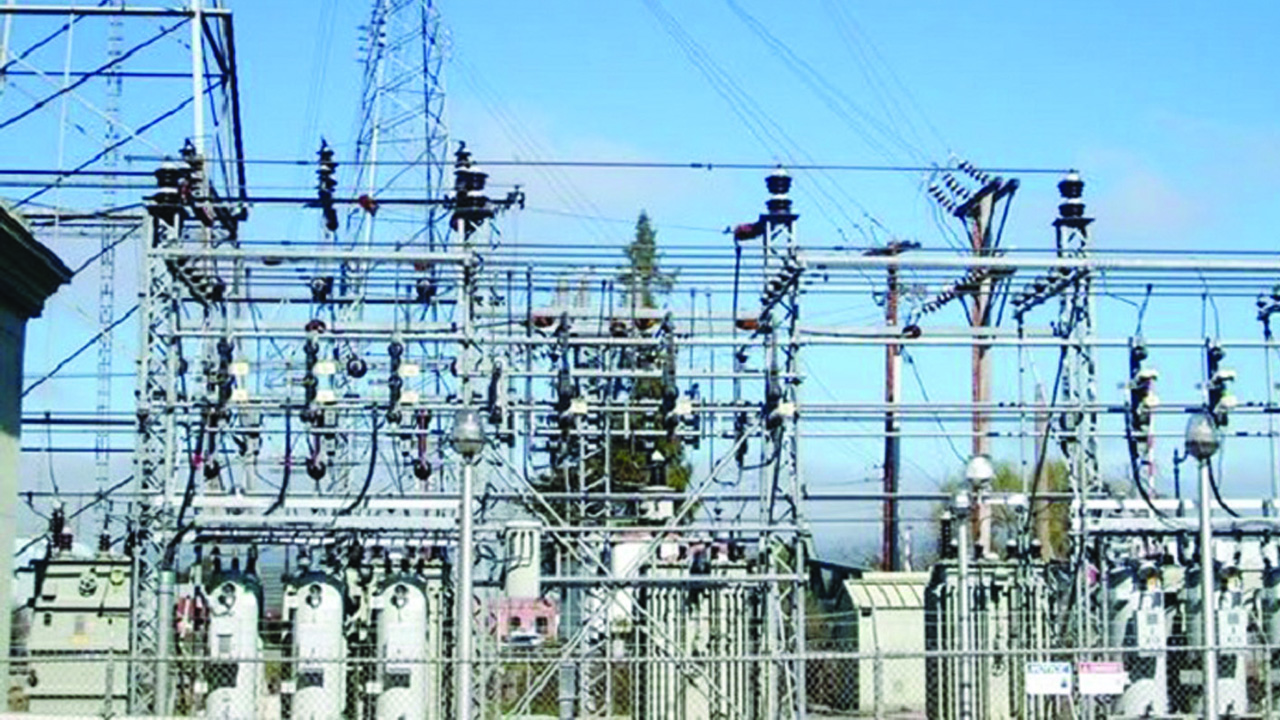
The Nigerian electricity sector has long struggled with chronic power shortages, largely due to outdated infrastructure, transmission bottlenecks, and underinvestment in both generation and distribution. Widespread blackouts have become a regular occurrence, intensified by national grid collapses that have left millions in darkness. The grid has suffered 162 collapses from 2014 till date, with the most recent occurring in September, and attributed to system instability and outdated equipment.
[ad]

Atiku reiterated his long-standing proposal, outlined in his policy document My Covenant with Nigerians, advocating for a diversified energy mix, including renewable sources like solar, wind, and biofuels alongside traditional sources. He also called for incentivizing private sector investment in mini-grid systems, which could connect to the national grid over time.
“Even as we focus on investments in additional generation, there’s a compelling need for capacity for the complementary transmission and distribution infrastructure to transport the supplementary energy produced,” Atiku stressed. He believes that a comprehensive approach to power sector reform is essential to address the country’s electricity needs and foster sustainable development.
Although, energy minister Adebayo Adelabu recently announced plans for emergency interventions to stabilise the grid and improve generation, while also urging Nigerians to admit when the ministry is doing well too.
[ad]
Data from the Nigerian Electricity Regulatory Commission (NERC) for August showed that average power generation was 4,150 Megawatts for an estimated population of over 200 million people.
READ ALSO: ‘Why collapse of Nigeria’s electricity grid persists’
Adelabu, reviewing his one year in office during Independence Day, said the increase in power supply was due to the radical and bold steps taken by the government.
“This feat is a result of many of the revolutionary measures being undertaken by the Power Minister, with the support of President Bola Ahmed Tinubu”, he added.
Meanwhile, Atiku proposed removing electricity from the Exclusive Legislative List, which would empower states to generate, transmit, and distribute electricity independently.
[ad]
He argued that “an industrial dispute with the Federal Government in the nation’s capital should not impact industrial activities in any of the states or cities of the country.”
In addition to expanding generation, Atiku stressed the need for stronger transmission and distribution networks to ensure energy reaches all regions.
“Our strategy should be a viable mix of renewable sources like hydro, solar, and wind, along with non-renewable options such as coal and gas,” he suggested, urging the government to encourage private investments in mini-grid transmission systems that could later connect to a broader super-grid.
[ad]

