 Follow Us on Google News


 Follow Us on Google Discover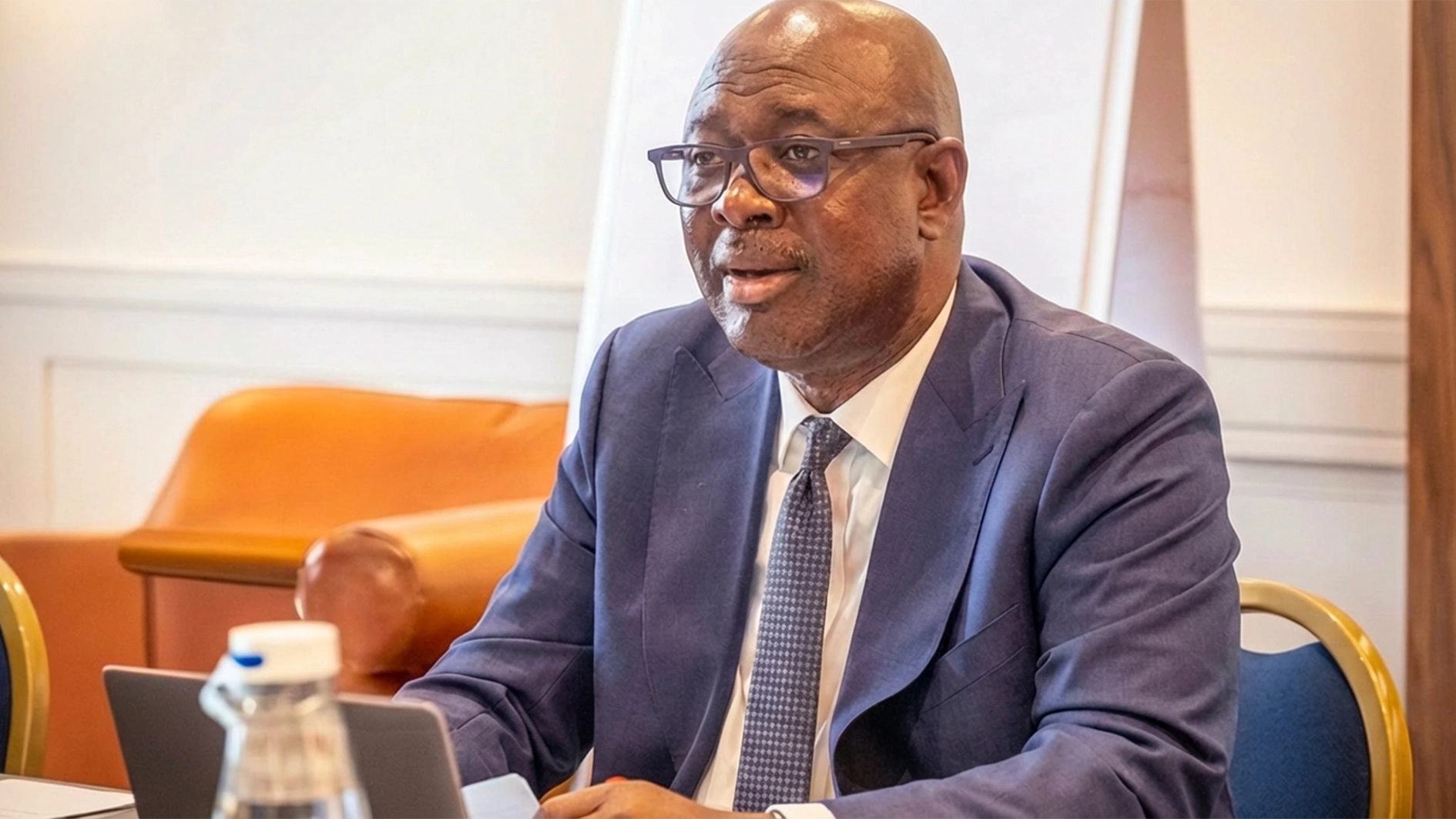
The Federal Government has said regulatory certainty, rather than incentives alone, will determine Nigeria’s ability to retain oil and gas investments while pursuing its energy transition and net-zero ambitions.
Minister of State for Petroleum Resources (Oil), Senator Heineken Lokpobiri, said the government is strengthening the country’s legal and regulatory framework to reassure investors that Nigeria can pursue climate goals without undermining the petroleum sector, which remains a major source of public revenue.
Represented by the Director of Legal Services in the Ministry of Petroleum Resources, Terlumun George-Maria Tyendezwa, at the Lawyers in Energy International Conference in Lagos, the minister said Nigeria was committed to driving an energy transition tailored to its national development priorities rather than adopting models designed for other jurisdictions.
Lokpobiri argued that investor confidence depends more on effective regulation and enforcement than the existence of laws alone, noting that the government is building on the Petroleum Industry Act (PIA) by strengthening both upstream and downstream regulations to eliminate uncertainties facing operators.
He added that the Climate Change Act and Nigeria’s carbon credit framework demonstrate the country’s commitment to attracting climate-related investments while maintaining a competitive petroleum industry.
The minister said decisions being taken today by policymakers and regulators would shape the future of Nigeria’s energy sector for decades, pledging continued efforts to strengthen regulatory institutions while safeguarding the interests of investors and host communities.

Speaking virtually at the conference, Secretary-General of the African Petroleum Producers’ Organisation (APPO), Farid Ghezali, said Africa’s abundant hydrocarbon resources alone are no longer sufficient to attract global investment.
According to him, investors increasingly place equal emphasis on regulatory consistency, fiscal stability and contract enforcement when deciding where to commit capital.
He noted that more than 50 different legal and regulatory systems govern petroleum activities across the continent, creating uncertainty that raises project costs, delays investments and redirects capital to jurisdictions with more predictable business environments.
Ghezali warned that fragmented regulatory systems are also undermining regional energy infrastructure, including cross-border pipelines, integrated gas markets and interconnected electricity networks, as differing legal frameworks complicate commercial agreements.
He said uncertainty remains one of Africa’s highest hidden costs, while harmonising regulatory standards represents one of its greatest untapped opportunities.
Ghezali stressed that aligning standards on licensing, transparency and dispute resolution would not diminish national sovereignty but would instead improve investor confidence and facilitate cross-border energy investments.
He cited the African Petroleum Regulators Forum as a platform already promoting cooperation among member states on safety and environmental regulation.
He also warned that unless African governments and businesses actively participate in shaping global energy transition rules, the continent risks having policies designed elsewhere imposed on it.
“If African governments and businesses aren’t involved in drafting global transition rules, the continent risks having those rules imposed on it,” he said, while calling for greater participation by communities, young people and women in developing future energy policies.
Chairman of the Board of the Lawyers in Energy Network, George Etomi, said legal practitioners would play a critical role in balancing climate commitments with energy security and economic growth, adding that stronger dispute resolution mechanisms and closer collaboration between regulators and industry would be essential.
Founder and Executive Secretary of the Lawyers in Energy Network, Raqueebah Oloko, said the conference was established to help African countries develop energy transition strategies that support, rather than undermine, their economic development priorities.

