• Says state refineries non-operational despite N11.35tr investment
Nigeria’s petroleum sector is entering a pivotal phase as domestic refining gains momentum as the Petroleum Products Retail Outlets Owners Association of Nigeria (PETROAN), in its 2025 sector review and 2026 outlook, highlighted over 850,000 barrels per day (bpd) expected from new refineries currently under development, stressing that privatisation, consistent crude supply, and regulatory reforms are critical to stabilising the market and reducing reliance on imports.
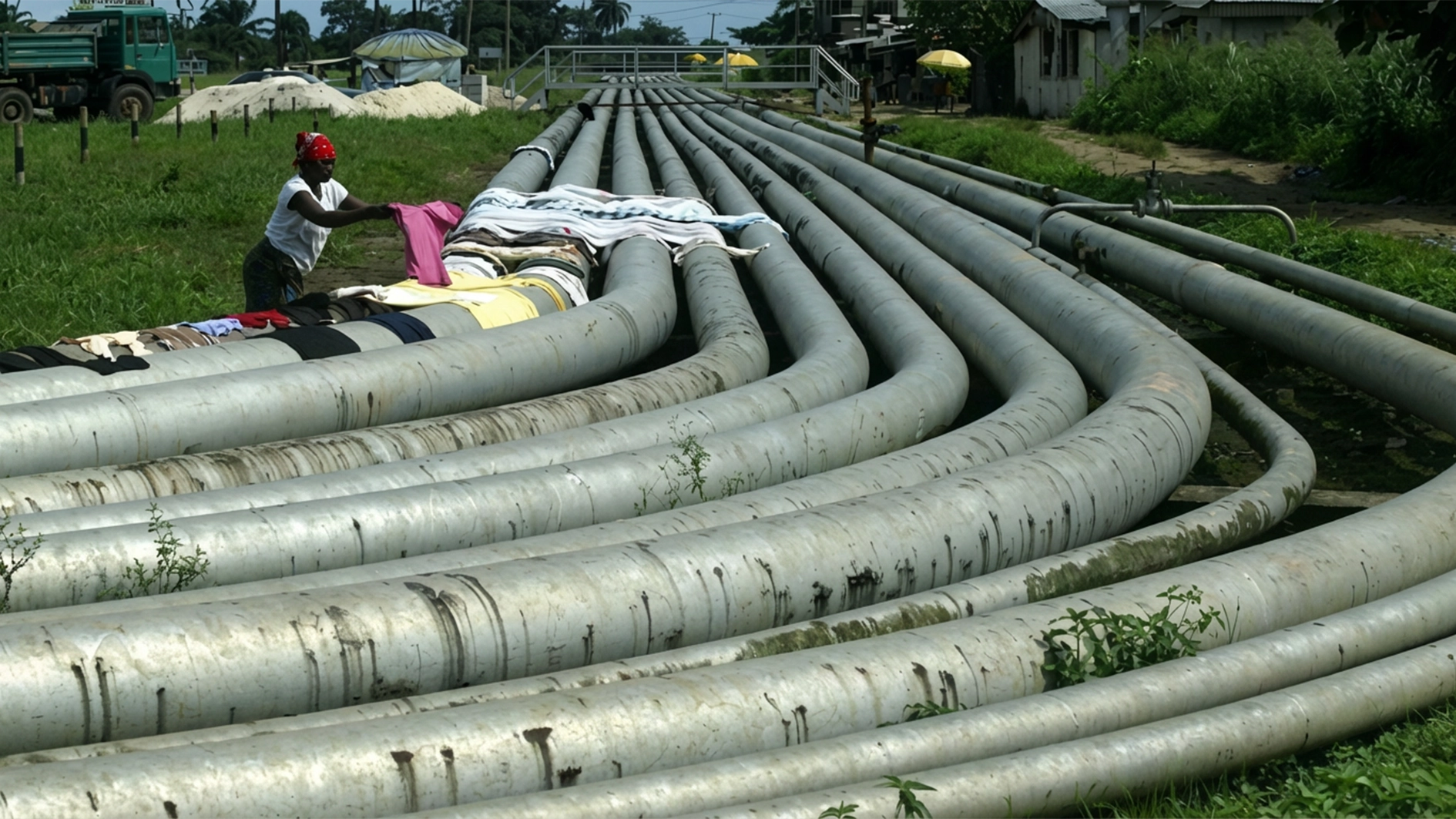
State-owned refinery rehabilitation has also come under scrutiny, with PETROAN noting that N11.35 trillion has been spent on the turnaround of Port Harcourt, Warri, and Kaduna refineries over the past decade, yet these facilities largely remain non-operational. Specific approved contracts include $1.5 billion for Port Harcourt and $1.48 billion for Warri and Kaduna combined, prompting investigations by security agencies and legislative oversight bodies into allegations of mismanagement and fraud. PETROAN stressed the need for forensic audits and clear accountability frameworks to restore public confidence in sector investments.
“Over the past decade, massive public funds, reportedly around N11.35 trillion (equivalent to billions of dollars), have been expended on turnaround maintenance and rehabilitation of the four government-owned refineries (Port Harcourt, Warri, and Kaduna), yet the facilities largely remain non-functional or underperforming.
“Specific approved contracts include Port Harcourt Refinery: $1.5 billion. Warri & Kaduna Refineries combined: $1.48 billion. These significant outlays, coupled with the enduring non-operational status of the refineries, have prompted investigations by security agencies and legislative oversight bodies into allegations of fraud, mismanagement, and lack of accountability,” the review indicated.
According to the review jointly signed by PETROAN National President, Dr Billy Gillis-Harry, and its National Public Relations Officer (PRO), Dr Joseph Obele, the association noted that 2025 was a defining year for Nigeria’s downstream petroleum sector, shaped by regulatory reforms, leadership changes, refinery development efforts, and heightened competition between local refiners and petroleum importers.
It revealed that over 30 refinery licences have been issued since the Petroleum Industry Act (PIA) came into effect, with 23 refineries actively under construction. Once operational, these projects are projected to complement the Dangote Petroleum Refinery and provide much-needed relief to the domestic petroleum market.
“Cumulatively, over 30 refinery licences, largely modular and medium-scale, have been issued since the Petroleum Industry Act (PIA) came into effect, with about 23 refineries actively under development. When completed, these projects are projected to add over 850,000 barrels per day to Nigeria’s domestic refining capacity, complementing the Dangote Petroleum Refinery and reducing reliance on imports,” the association added.
The association observed that the Naira-for-Crude policy, introduced to support local refining by allowing crude payments in naira instead of dollars, had strategic potential but faced implementation challenges. It added that approximately 250,000 to 300,000 bpd of crude were allocated to domestic refineries under the scheme, easing foreign exchange demand and providing a framework for price stability. However, delays in allocation, pricing disputes, and limited participation prevented the policy from achieving its full potential.
“Strengthening transparency, timely allocation, and pricing alignment is critical for maximising the benefits of this policy in 2026,” PETROAN emphasised.
The association stressed that while domestic refining saw growth in approvals and capacity planning, the shutdown of the Port Harcourt Refinery on May 24, 2025, highlighted persistent operational and structural challenges. Despite significant public funds invested in rehabilitation, the facility could not maintain continuous production.
PETROAN warned that the shutdown “has continued to constrain domestic refining capacity, increase reliance on imported petroleum products, and intensify pressure on foreign exchange demand and pump prices.” The association called for a transparent equity partnership framework and a clearly defined operational roadmap to restore the refinery’s functionality.