 Follow Us on Google News
 Follow Us on Google Discover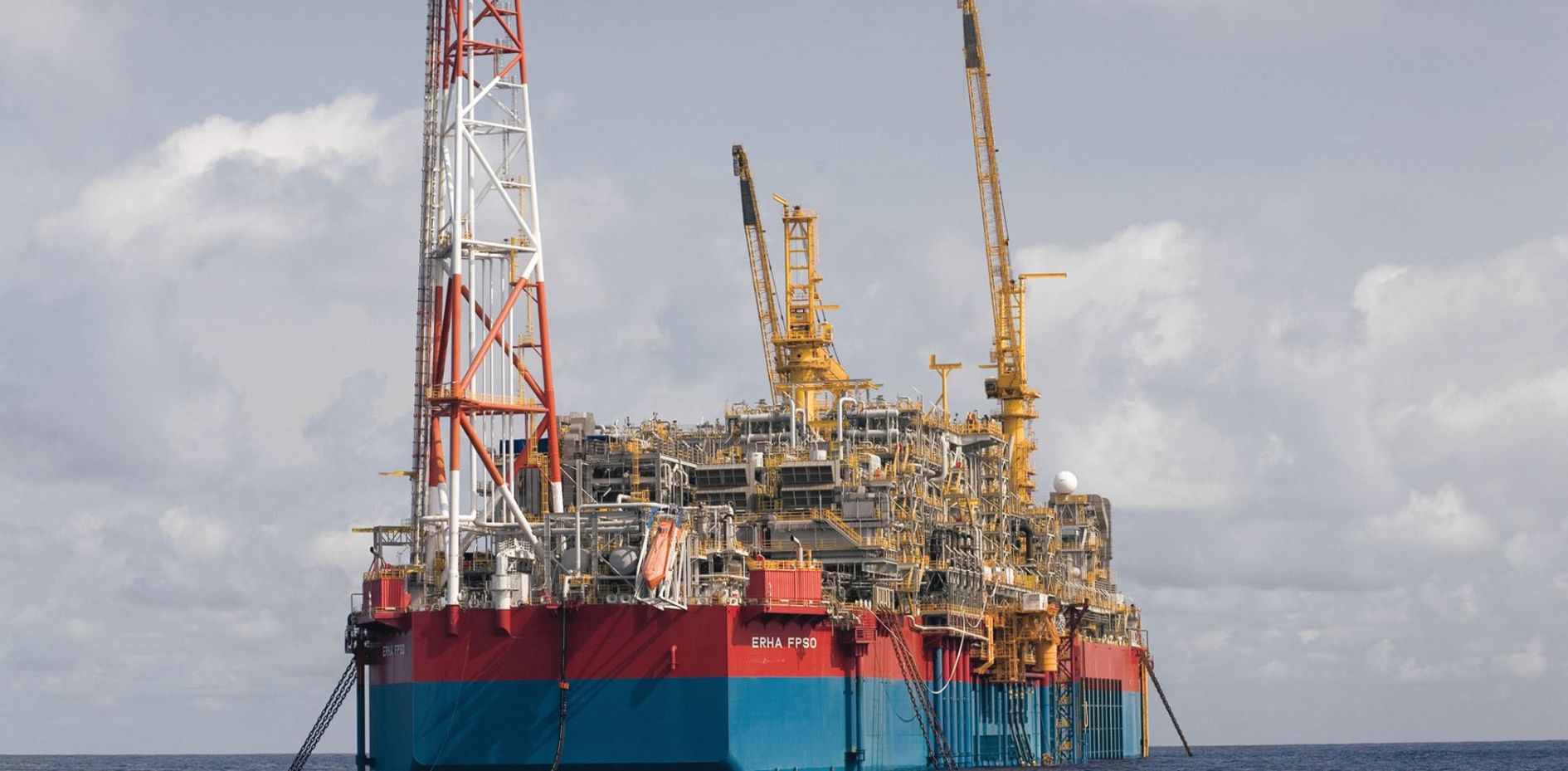
In energy policy, durability is often the clearest measure of success.
March 27, 2026, marked 20 years since first oil from the Erha Field on Oil Mining License (OML) 133. While the milestone is often assessed through production and revenue, Erha’s greater significance lies in what it demonstrates about long-term value creation – how regulatory clarity, capital discipline, and Nigerian Content consideration can convert complex offshore resources into enduring national assets.
Since first oil in 2006, Erha has produced more than 800 million barrels and continues to deliver approximately 75,000 barrels per day. Over two decades, the asset has generated over $1 billion in royalties, more than $22 billion in taxes, and roughly $300 million in levies, contributing to Nigeria’s energy supply, foreign exchange inflows, and fiscal stability.
These outcomes were not accidental. They reflect long-term alignment between policy intent and business execution.
When Esso Exploration and Production Nigeria Limited (EEPNL) acquired deepwater rights in the 1990s, Nigeria had limited offshore experience beyond shallow water. Developing Erha required substantial capital and advanced technology, alongside stable regulatory signals and an intentional approach to building domestic capability in parallel with production.
From project inception, Nigerian value creation was treated as a core operating model, not an adjunct. The relative policy predictability demonstrated support for frontier de epwater development in Nigeria and favorable environment that drew leading Engineering, Procurement, Construction, and Installation (EPCI) contractors into the country was a key enabler for the project and sustained value creation through the asset operational life cycle.

Just as important, capability was sustained beyond construction. EEPNL began operational workforce development several years before start-up through structured training, simulator programs, and global exposure. At first oil, Nigerians accounted for the majority of FPSO operations personnel, laying the foundation for an asset that would be operated and maintained. largely by Nigerian professionals over its life.
The commercial value of this approach became clear with Erha North Phase 2, which was delivered in 2015 ahead of schedule and under budget. The gains realised in Phase 1 were built upon and expanded, illustrating that a capable national delivery ecosystem can generate sustained value when enabled by strong IOC participation, leading EPCI engagement in country, and competitive global market dynamics.
The 2022 renewal of OML 133 for an additional 20 years sent an important signal of confidence in both the asset and the regulatory framework supporting it. With continued disciplined investment, including FPSO integrity upgrades, well interventions, and new seismic acquisition, the license has the potential to deliver more than 1.5 billion barrels of additional oil equivalent over its extended life.
For policymakers, the lesson from Erha is straightforward: long-cycle energy investments respond to long-term signals. Stable and competitive fiscal terms, regulatory predictability, and local capability consideration remain essential to sustaining supply, attracting capital, and maximizing value from Nigeria’s deepwater resources in a world that will continue to demand reliable energy for decades to come.

