 Follow Us on Google News
 Follow Us on Google Discover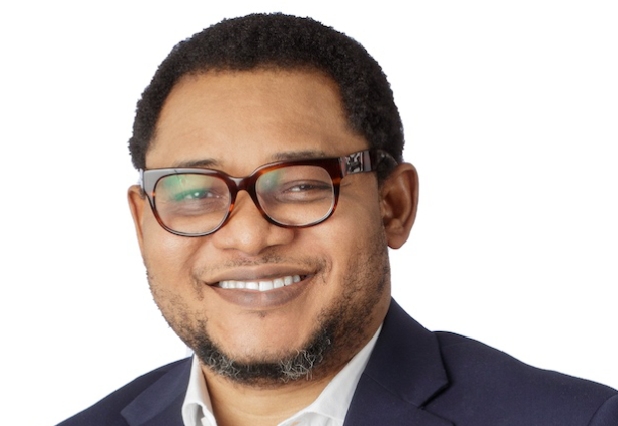

The workplace is changing fast. Technology and the aftermath of the COVID-19 pandemic have reshaped how we work. Remote work, automation, and digital tools are now more common. These shifts mean employees need new skills to keep up. Organisations must adjust their strategies to focus on upskilling, reskilling, and creating a supportive environment for workers to thrive.
[ad]
However, in today’s uncertain economy, many businesses are still recovering from the impact of COVID-19. Goes without saying that not all of them can invest heavily in employee development right now. However, ignoring this can hurt them in the long run due to the rapid technological advancements our society is experiencing. As a result, businesses need employees who can quickly adapt and learn new skills.
Mentorship can be a game changer here. It’s a proven way to help employees grow, share knowledge, and build a culture of continuous learning. In Nigeria, where businesses face unique challenges, mentorship can help bridge the gap between the traditional work environment and the tech-driven future. It’s a strategy that every forward-thinking organisation should embrace.
Mentorship is goes beyond learning technical skills. It’s about helping employees tackle challenges, building confidence, building the gap between experience levels, embracing change, and improving soft skills. In Nigeria, mentorship plays an even bigger role. It helps workers adjust to new technologies and stay competitive. With the right mentor, employees can navigate the demands of modern work and develop the skills they need to succeed.
[ad]
Organisations that implement mentorship programmes stand to gain a lot. Mentorship provides employees with direction. It helps them stay focused even as the workplace continues to change. Employees feel supported, which leads to better engagement and higher retention rates.
Mentorship also encourages a growth mindset. This is essential for workers who need to keep learning to stay relevant. Take, for example, a digital marketer. They constantly need to keep up with changes in algorithms and SEO updates. A mentor can guide them, helping them stay ahead of the curve and maintain their competitive edge.
But for mentorship to work, it needs to be done right. One of the biggest challenges is getting leadership to support and follow through on these programs. It’s not enough to just set up a mentorship programme. The goals of the programme should align with both the company’s objectives and the personal development goals of the employees.

Another important step is to formalise mentorship. Programmes work best when there’s structure—clear goals, defined roles, and processes. This way, both mentors and mentees know what’s expected of them, and progress can be tracked. A structured programme also allows organizations to build mentorship into their long-term strategy.
Organisations should also encourage mentors to actively participate. Offering mentor training, recognising their efforts, and matching them with the right mentees can make a big difference. When mentors feel valued, they are more likely to commit to the programme, which benefits everyone involved.
[ad]
Mentorship directly impacts productivity by providing guidance in core decision making. When employees are guided by mentors, they gain confidence in their roles. Confidence leads to better performance. Mentorship also sparks innovation. Regular discussions with mentors encourage employees to think creatively, challenge norms, and find new solutions.
In today’s post-COVID world, where businesses face constant change, mentorship offers stability. It ensures that employees don’t just survive but thrive. For Nigerian businesses looking to stay ahead, mentorship isn’t just a nice-to-have; it’s essential.
With the right mentorship programme, organisations can future proof their workforce, helping employees develop the skills and mindset needed for the tech revolution. The time to act is now.
Timi Tope Ologunoye is a Lagos-based Business Transformation & Change Management Leader and the Chief Operating Officer at Autochek Africa.
[ad]

