 Follow Us on Google News


 Follow Us on Google Discover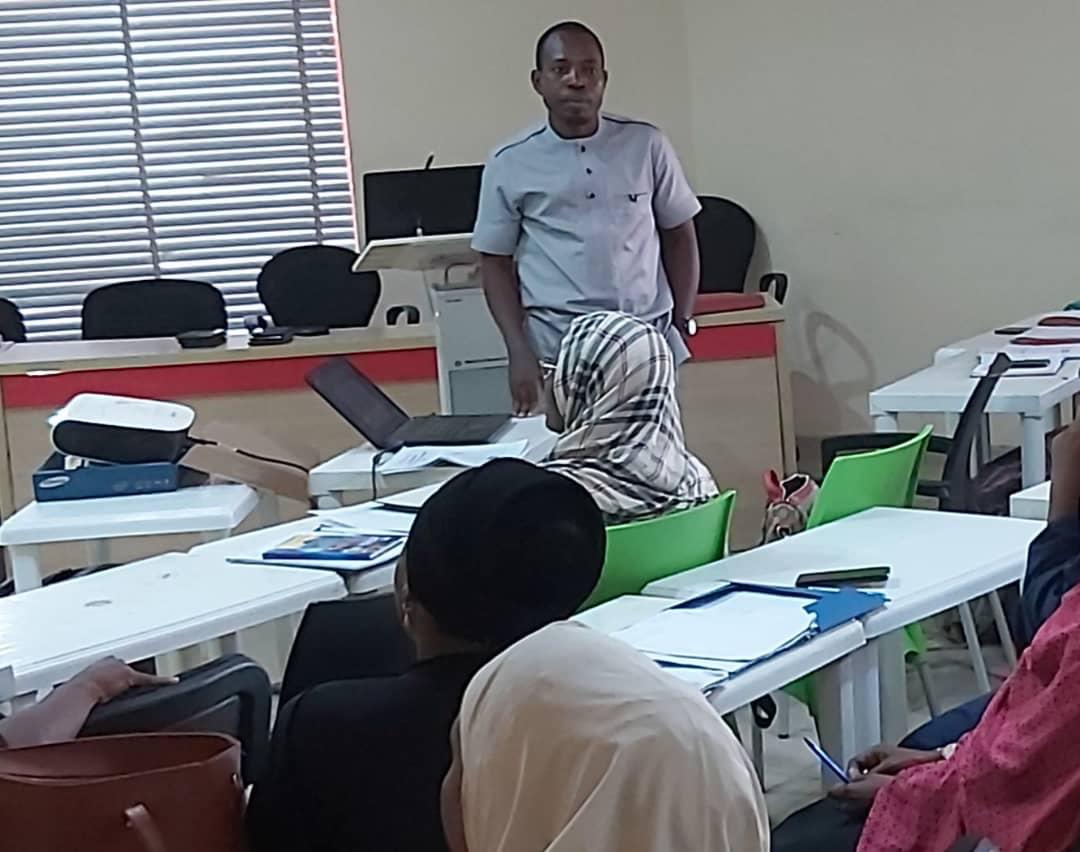
 Malaria has continued to remain a burden in Africa and Nigeria in particular despite several local and international interventions on its prevention and control.
[ad]
Research have shown that 90% of Nigeria’s population is at risk of malaria. The World Health Organization (WHO) in March 2012, issued a policy recommendation for a new intervention against Plasmodium falciparum malaria – Seasonal Malaria Chemoprevention (SMC), previously referred to as intermittent preventive treatment (IPTc) in children under five years old. SMC is defined as the intermittent administration of a full course of antimalarial treatment combination during the malaria season to prevent illness and death from the disease.
Recently, SMC coverage survey was designed to assess the effectiveness and coverage of SMC intervention in Jigawa State by Malaria Consortium. In order to build local capacity, Dr Titus Ojewumi and his research team leveraged on the SMC coverage survey to build local capacity through deployment of different innovative approaches to create a sense of ownership and improve research uptakes in Jigawa State.
Highlighted below were four innovative approaches deployed by Dr Ojewumi to build local capacity in Jigawa State during the SMC coverage survey.
Advocacy to the state commissioners for health: this was done to get state buy in, discussed the objectives of the survey and extract state commitment for research uptakes and sustainability.
Recruitment of Research Assistants (RAs) within the communities to ensure inclusiveness for awareness creation within the community on the importance of SMC
Training RAs on the research instruments, importance and efficacy of SMC interventions in order to become agents of change in the community. This was carried out with the understanding that capacity building can be implemented at the individual level, where capacity building activities increase a worker’s knowledge and skill. An individual who has been empowered to facilitate change can impact on their organization and community, and they can further work to effect systemic change. This understanding serves as the basis for intensive one week long training for all the RAs with role plays, collective development of supervisory checklists based on shared understanding.
Local capacity building approaches involving participatory, inclusive and asset-based methodologies, on the job training and handholding were used to strengthen individual and community capacities to increased performance.

Dr. Ojewumi further explained different ways to leverage on surveys to build local capacity for system strengthening and sustainability. According to Dr Ojewumi, ways to strengthen efforts towards local ownership and improve research uptakes include but not limited to co-design, planning, implementation and measurement of programs with stakeholders; sharing accountability for program results, accountability to communities and compliance with donor rules and regulations; ensuring inclusive, diverse and equitable participation of individuals and actors across the power continuum, such as families, community members, civic and corporate leaders, and government authorities. In addition, Dr Ojewumi stressed that facilitation of collaborative learning, including continuous opportunities to build local capacity and sharing of progress reports, challenges and opportunities are vital to capacity building.
Participants at the training unanimously concluded that they were exposed to result-oriented approaches to dealing with malaria especially that team capacity were built for a more effective intervention against Plasmodium falciparum malaria.
[ad]

