 Follow Us on Google News
 Follow Us on Google Discover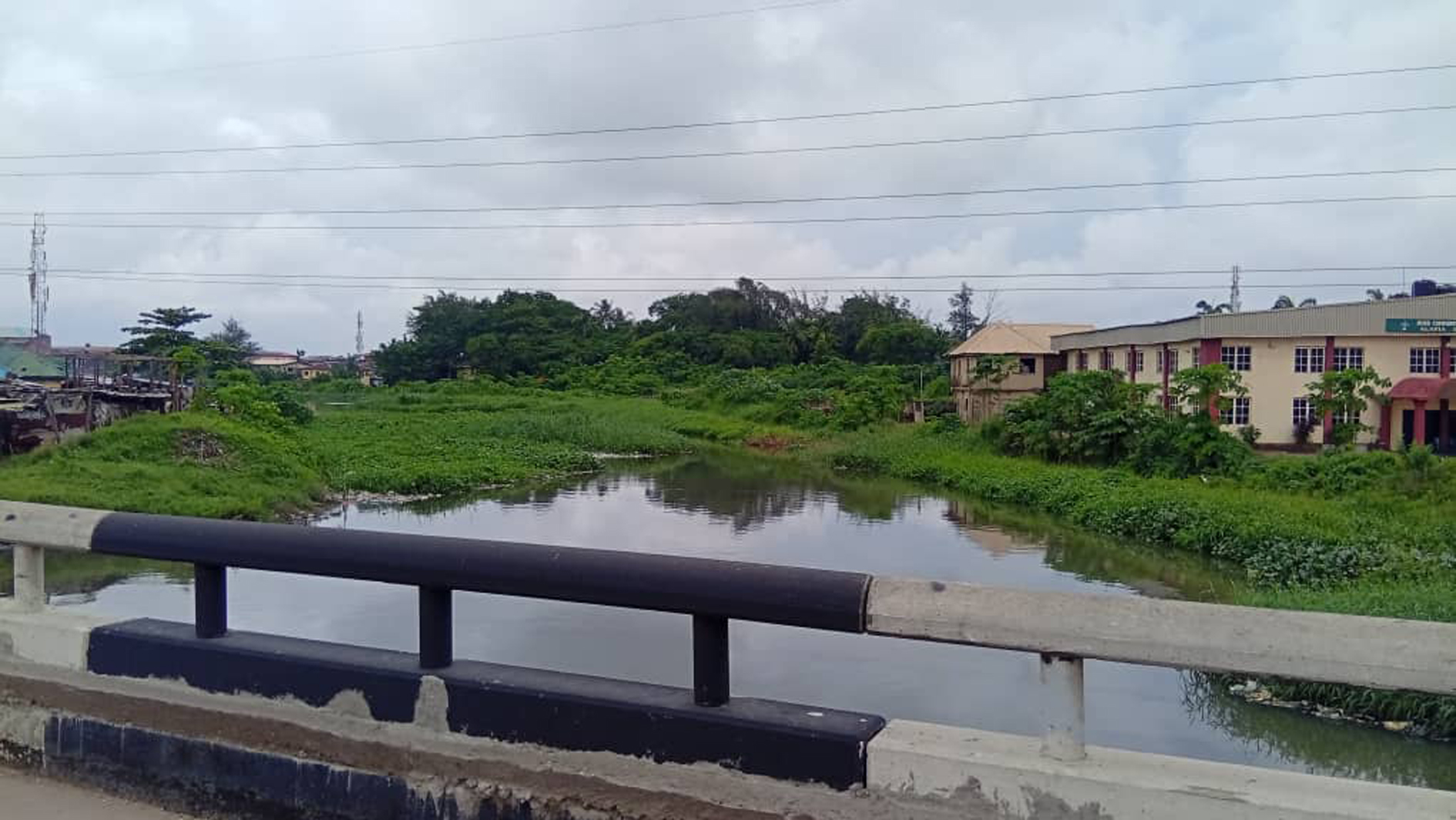
In the first five months of 2026, January to May to be precise, Lagos State received about N2.7 billion as ecology fund, yet there seems to be no relief for the state in terms of flooding.
According to data from the National Bureau of Statistics and the Office of the Accountant General of the Federation, while the state government got N1.493 billion, the 20 constitutionally recognised local councils got N1.199 billion between January and May 2026 as ecology fund from the Federal Government.
The Ecological Fund is a special intervention account established by the Federal Government of Nigeria in 1981 to address severe environmental emergencies such as soil erosion, flooding, droughts, and oil spills.
A monthly breakdown of what the state government got revealed that in January, N251.46 million was paid to Lagos State government as ecology fund, outside what was paid to the local councils. The amount paid dropped to N230.6 million in February while it jumped to N296 million in March. It further increased to N371 million in April and dropped to N344 million in May, totaling N1.49 million for January to May as ecology fund that Lagos State government received.
Similarly, the sum of what the 20 local councils received monthly revealed that in January, the local councils got N202.9 million, it came down to N180 million in February, but jumped to N238.9 million in March. In April, it got increased to N299.567 million, while in May, it got reduced to N277.67 million. In total, the 20 constitutionally recognized local councils got N1.199 billion.
A monthly breakdown of what each local councils got revealed that in January, Agege got N10.207 million, Ajeromi/Ifelodun got N13.120 million, Alimosho received N21.159 million, Amuwo-Odofin received N8.269 million, Apapa was paid N6.95 million, Badagry N7.773 million, Epe got N7.136 million, Eti-Osa received N8.6 million, Ibeju-Lekki got N5.74 million, Ifako-Ijaye received N9.8 million, Ikeja was paid N8.47 million, Ikorodu got N11.65 million, Kosofe was paid N12.6 million, Lagos Island was paid N6.786 million, Lagos Mainland received N8.188 million, Mushin got N12.258 million, Ojo was paid N11.896 million, Oshodi-Isolo received N12.145 million, Somolu was paid N9.393 million while Surulere received N10.745 million.

In February, Agege got N9.36 million, Ajeromi Ifelodun was paid N12.03 million, Alimosho received N19.403 million, Amuwo-Odofin got N7.58 million, Apapa was paid N6.3 million, Badagry got N7.128 million, Epe received N6.544 million, Eti-Osa got N7.895 million, Ibeju-Lekki got N5.272 million, Ifako-Ijaye got N8.989 million, Ikeja N7.77 million, Ikorodu was paid N10.684 million, Kosofe received N11.56 million, Lagos Island got N6.222, Lagos Mainland N7.509 million, Mushion got N11.24 million, Ojo received N 10.907 million, Oshodi-Isolo was paid N11.137 million, Somolu got N8.614 million while Surulere received N9.853 million.
In March, Agege received N12.017 million, Ajeromi/Ifelodun got N15.447 million, Alimosho was paid N24.9 million, Amuwo-Odofin got N9.7 million, Apapa received N8.186 million, Badagry was paid N9.15 million, Epe got N8.4 million, Eti-Osa received 10.136 million, Ibeju-Lekki got N6.768 million, Ifako/Ijaye was paid N11.54 million, Ikeja was N9.977 million, Ikorodu N13.717 million, Kosofe received N14.841 million, Lagos Island got N7.989 million, Lagos Mainland was paid N9.64 million, Mushin received N14.433 million, Ojo was N 14.004 million, Oshodi/Isolo got N14.299 million, Somolu received N11.059 million while Surulere was paid N12.65 million.
For the month of April, Agege got N15.068 million, Ajeromi/Ifelodun received N19.368 million, Alimosho was paid N31.235 million, Amuwo-Odofin was N12.208 million, Apapa got N10.264 million, Badagry received N11.474 million, Epe was paid N10.535 million, Eti-Osa got N12.71 million, Ibeju-Lekki was N8.487 million, Ifako/Ijaye got N14.471 million, Ikeja received N12.509 million, Ikorodu was paid N17.2 million, Kosofe received N18.609 million, Lagos island was paid N10.017 million, Lagos Mainland received N12.088 million, Mushin got N18.096 million, Ojo was paid N17.559 million, Oshodi/Isolo got N17.929 million, Somolu received N13.867 million while Surulere got N15.86 million.
In May 2026, Agege got N 13.967 million, Ajeromi Ifelodun received N17.953 million, Alimosho was paid N28.953 million, Amuwo-Odofin got N11.316 million, Apapa received N9.5 million, Badagry was paid N10.636 million, Epe N9.765 million, Eti-Osa got N11.78 million, Ibeju-Lekki received N7.866 million, Ifako-Ijaye was paid N13.413 million, Ikeja N11.595 million, Ikorodu N15.94 million, Kosofe got N17.249 million, Lagos Island received N9.285 million, Lagos Mainland was paid N11.2 million, Mushin got N16.77 million, Ojo received N16.276 million, Oshodi-Isolo was paid N16.619 million, Somolu received N12.85 millio, Surulere got N14.7 million.
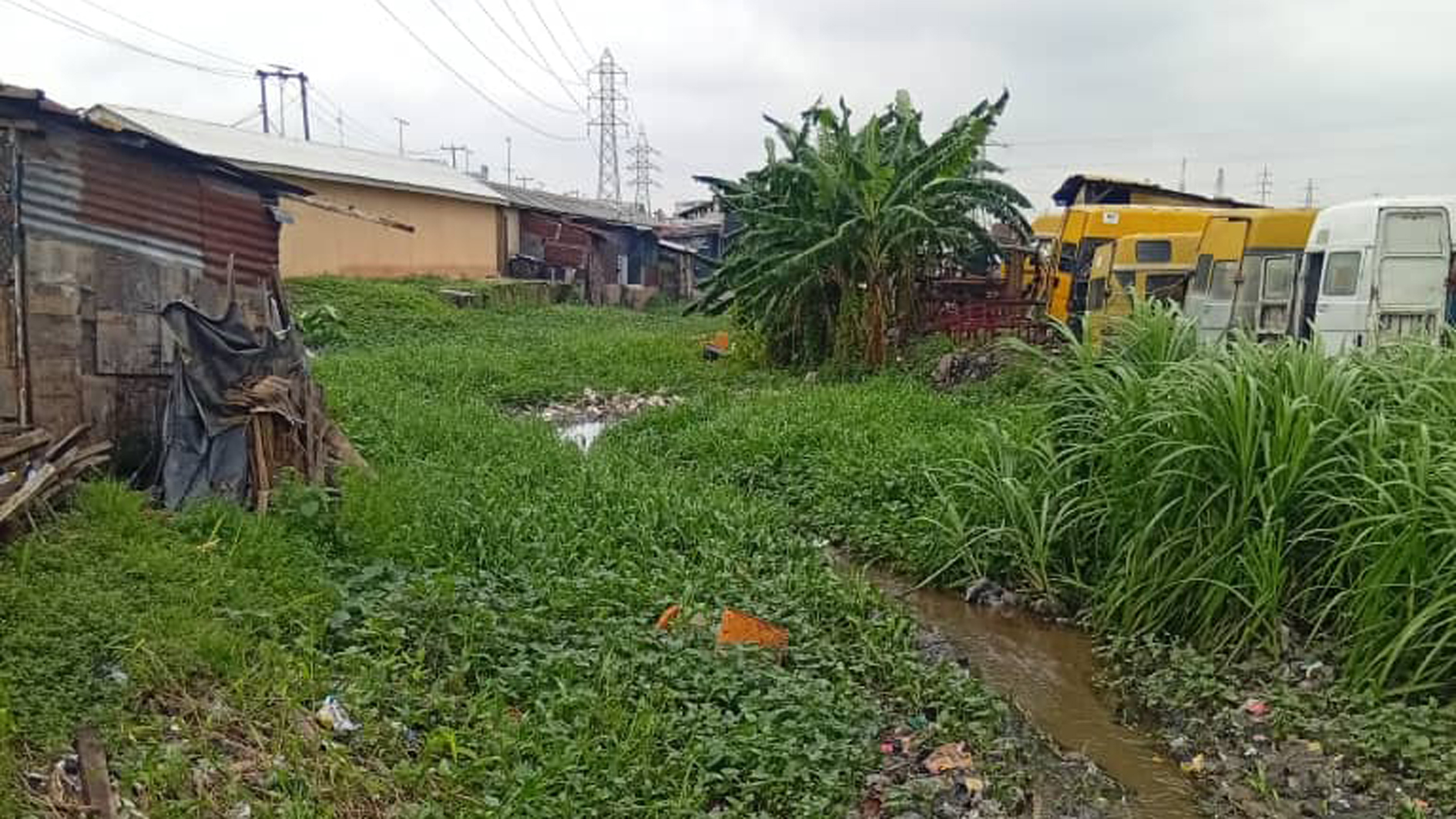
Ironically, despite this support from the Federal Government for the state government and local councils, a number of the mini canals visited across three local councils of Surulere, Ajeromi-Ifelodun and Amuwo-Odofin revealed clogged canals with water hyacinth, weed, plants and refuse.
And scholars have proved that water hyacinth and weeds negatively affect canals by forming dense, intertwined mats that can slow down water flow by 40 per cent to 95 per cent. They argued that this severe restriction is caused by physical blockages, and increased friction along the canal bed.

